coges
“coges” means “you take” in Spanish. It has 3 different meanings depending on context:
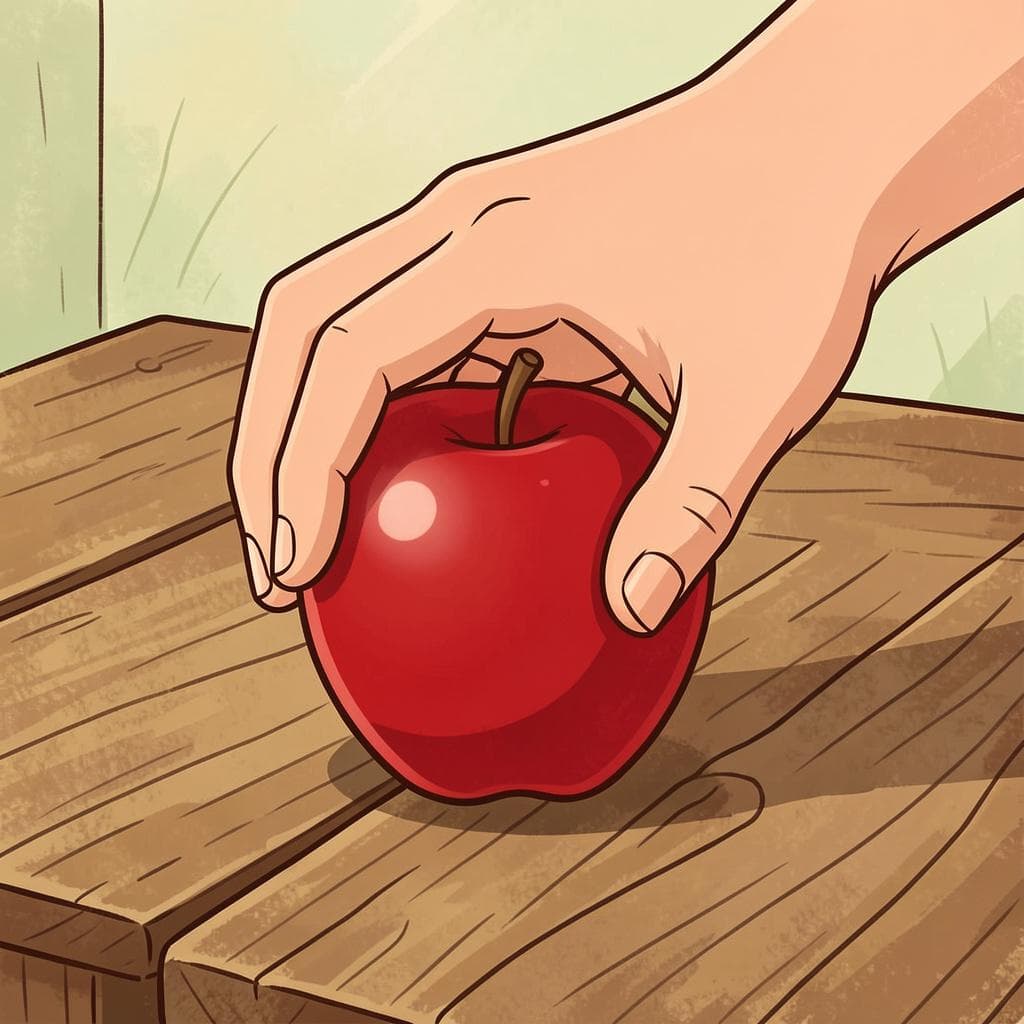


you take, you grab
Also: you pick up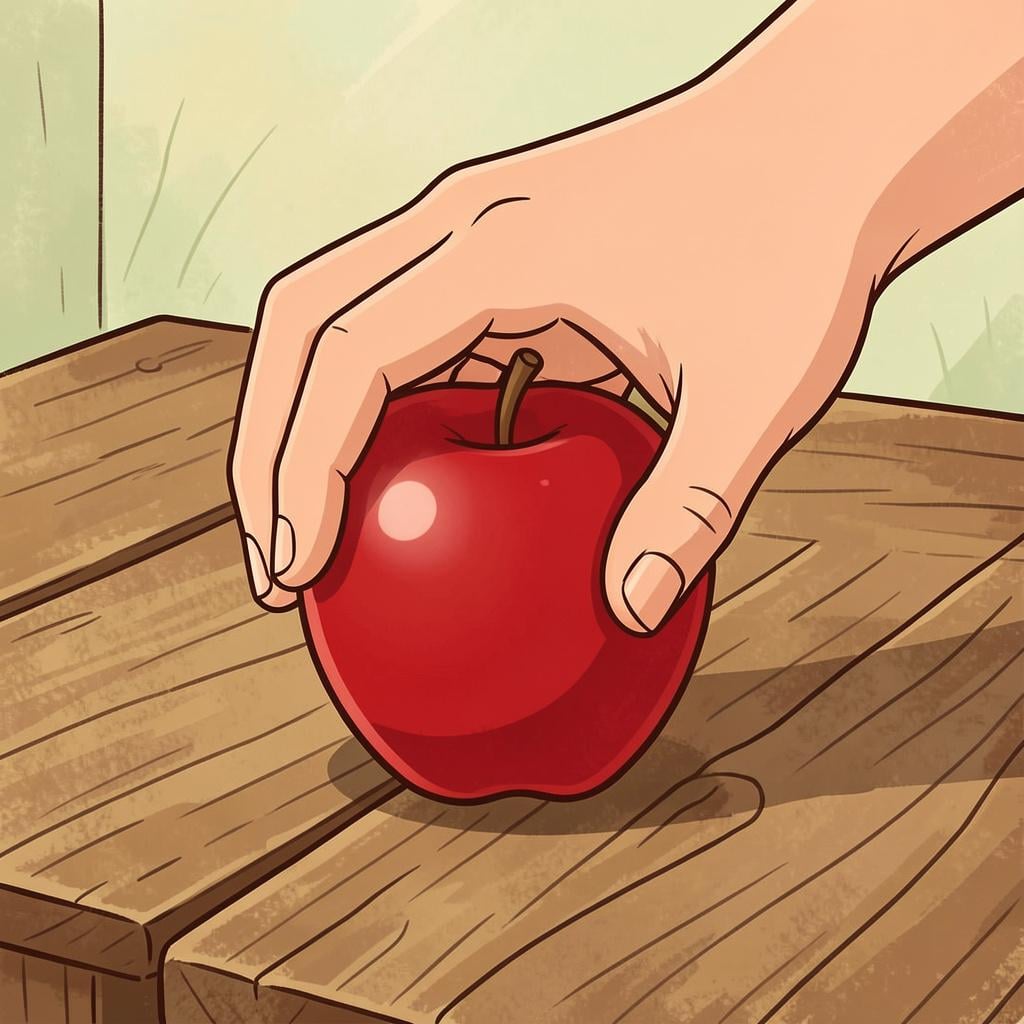
📝 In Action
Tú coges las llaves de la mesa.
A1You take the keys from the table.
Si no coges el paraguas, te vas a mojar.
A1If you don't grab the umbrella, you're going to get wet.
you catch
Also: you take
📝 In Action
¿A qué hora coges el autobús?
A2What time do you catch the bus?
Coges la primera calle a la derecha.
A1You take the first street on the right.
you have sex

📝 In Action
¡No digas esa palabra aquí!
B1Don't say that word here!
Subjunctive
Imperfect Subjunctive
Present Subjunctive
Indicative
Preterite
Imperfect
Present
Translate to Spanish
✏️ Quick Practice
Quick Quiz: coges
Question 1 of 2
You are in Madrid and want to tell your friend to 'grab the milk'. Which is correct?
📚 More Resources
👥 Word Family▼
🎵 Rhymes▼
📚 Etymology▼
From the Latin word 'colligere', which means 'to gather' or 'to collect'. This is the same root that gave English the word 'collect'.
First recorded: 12th century
Cognates (Related words)
💡 Master Spanish
Take your Spanish to the next level. Read 200+ illustrated and narrated Spanish stories tailored to your level with the Inklingo app!
Frequently Asked Questions
Why does 'yo cojo' have a 'j' but 'tú coges' has a 'g'?
Spanish spelling rules! A 'g' sounds like an 'h' before 'e' or 'i', but like a hard 'g' (as in goat) before 'o' or 'a'. To keep the 'h' sound in the 'yo' form, we have to swap the 'g' for a 'j'.
Is it ever okay to use 'coges' in Argentina?
Only if you intend to be vulgar. For all other meanings like taking a bus or grabbing a pen, Argentines use 'tomar' or 'agarrar'.