bebo
“bebo” means “I drink” in Spanish (present action or habit).
I drink
Also: I am drinking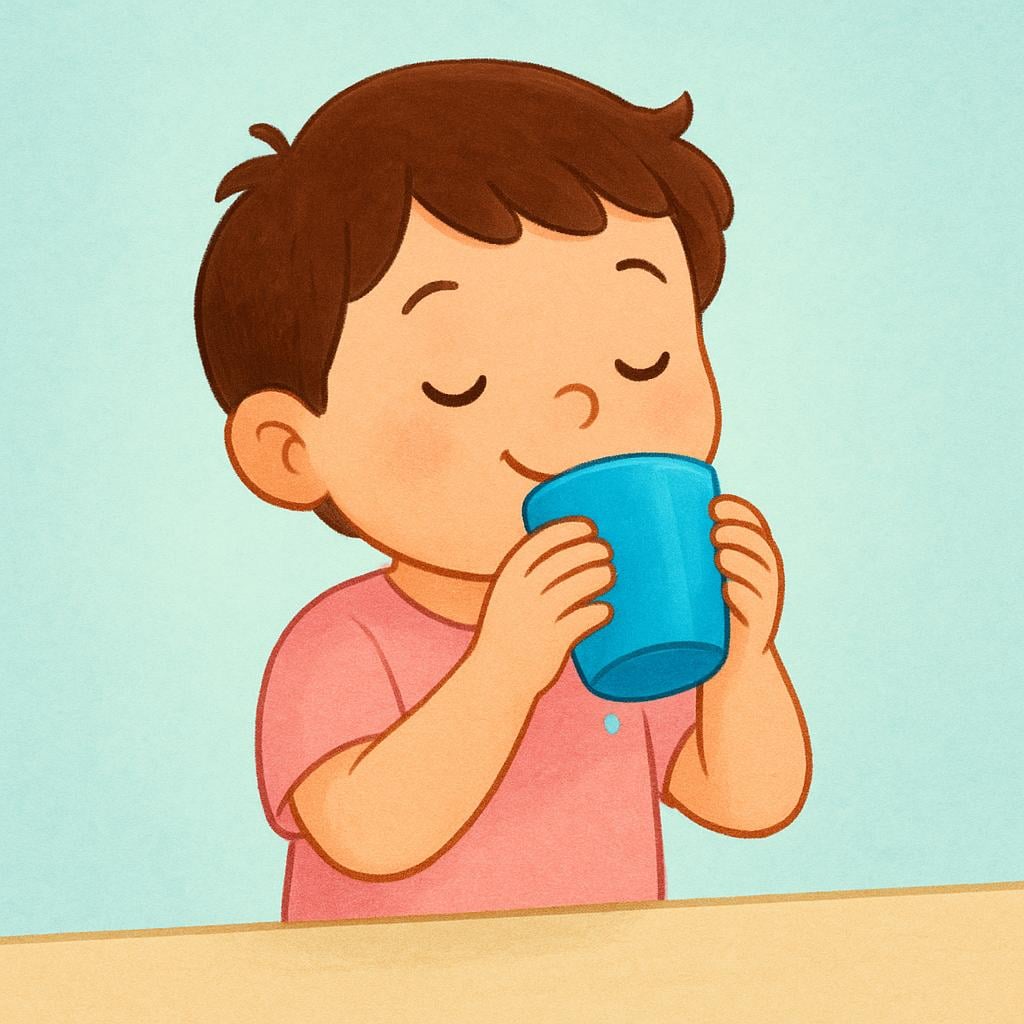
📝 In Action
Siempre bebo agua después de correr.
A1I always drink water after running.
¿Qué bebo? Un vaso de leche, por favor.
A2What am I drinking? A glass of milk, please.
Si bebo café muy tarde, no puedo dormir.
A1If I drink coffee too late, I can't sleep.
Indicative
Present
Imperfect
Preterite
Subjunctive
Present Subjunctive
Imperfect Subjunctive
Translate to Spanish
Words that translate to "bebo" in Spanish:
i drink→✏️ Quick Practice
Quick Quiz: bebo
Question 1 of 2
Which sentence correctly uses 'bebo' for an action that happened yesterday?
📚 More Resources
👥 Word Family▼
📚 Etymology▼
The word comes directly from the Latin verb *bibere*, which also meant 'to drink.' It has stayed remarkably consistent over centuries.
First recorded: Early Romance languages (around 10th century)
Cognates (Related words)
💡 Master Spanish
Take your Spanish to the next level. Read 200+ illustrated and narrated Spanish stories tailored to your level with the Inklingo app!
Frequently Asked Questions
Is 'bebo' used for all kinds of liquids?
Yes, 'bebo' (from 'beber') is the standard verb for drinking any kind of liquid, including water, coffee, juice, or alcohol.
Should I use 'bebo' or 'estoy bebiendo'?
'Bebo' is used for habits ('I drink coffee every day') or general statements. 'Estoy bebiendo' (I am drinking) is used for an action happening right this moment, though 'bebo' is often used even for immediate actions in informal speech.