besa
“besa” means “kisses” in Spanish. It has 2 different meanings depending on context:

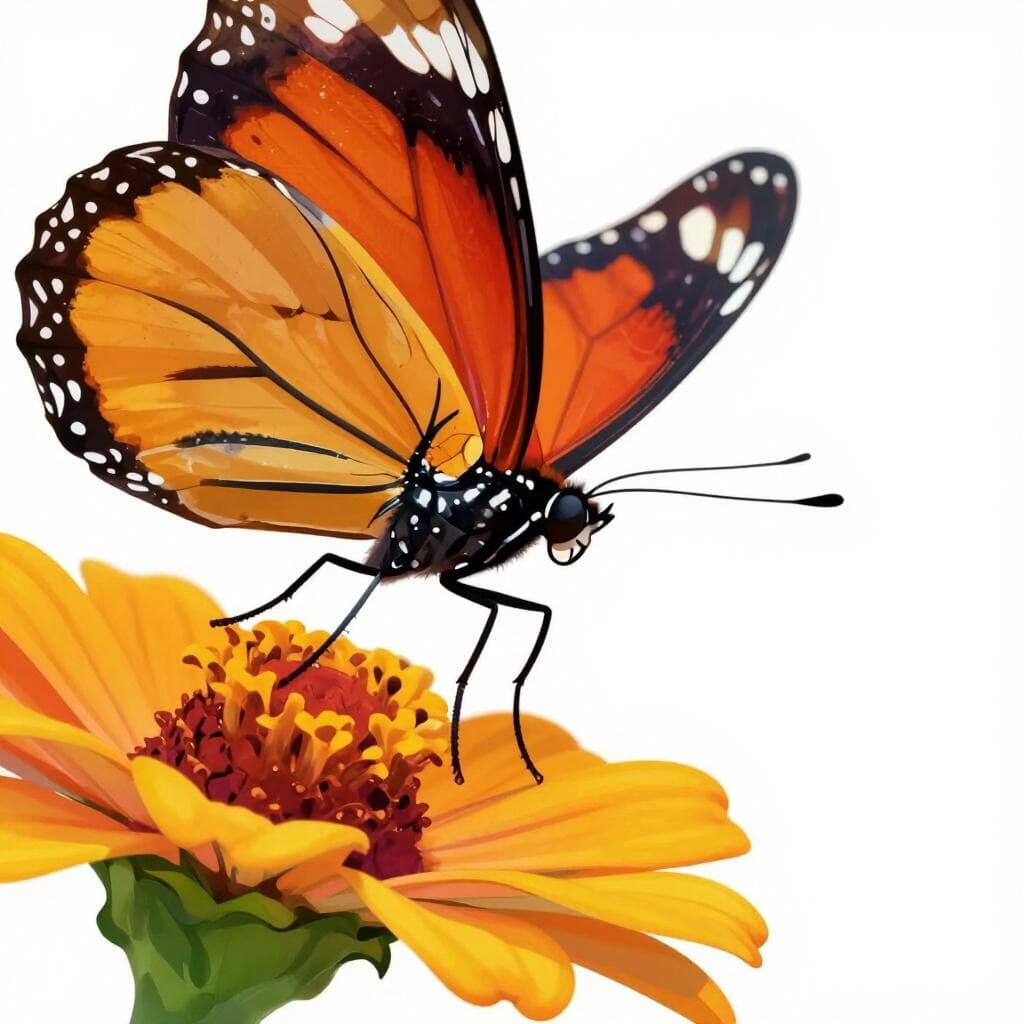
kisses, kiss
Also: you kiss
📝 In Action
Él siempre besa a su madre antes de salir.
A1He always kisses his mother before leaving.
¡Besa a tu tía!
A1Kiss your aunt!
Usted me besa y me olvido de todo.
A2You kiss me and I forget everything.
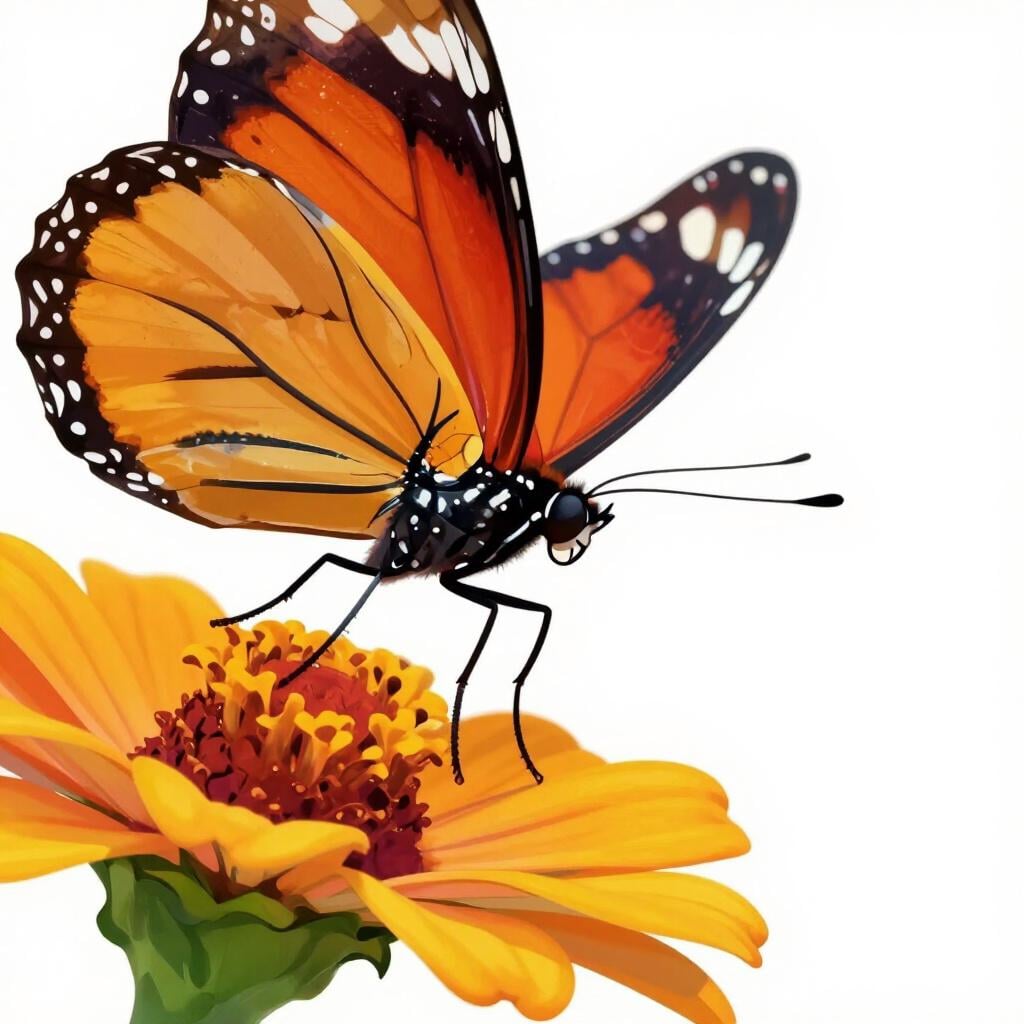
grazes, brushes against
📝 In Action
La brisa besa el mar suavemente.
B2The breeze kisses the sea softly.
El vestido apenas besa el suelo.
B2The dress barely brushes the floor.
Subjunctive
Imperfect Subjunctive
Present Subjunctive
Indicative
Preterite
Imperfect
Present
Translate to Spanish
✏️ Quick Practice
Quick Quiz: besa
Question 1 of 2
If you say 'Él besa a su gato,' what are you doing?
📚 More Resources
👥 Word Family▼
📚 Etymology▼
From the Latin 'bassiare', a word that early Romans used specifically for the act of kissing.
First recorded: 12th century
Cognates (Related words)
💡 Master Spanish
Take your Spanish to the next level. Read 200+ illustrated and narrated Spanish stories tailored to your level with the Inklingo app!
Frequently Asked Questions
Is 'besa' used for romantic kisses only?
No. In Spanish-speaking cultures, 'besa' is used for family affection, greetings on the cheek, and poetic descriptions of nature.
What is the difference between 'beso' and 'besa'?
'Beso' is the noun (a kiss), while 'besa' is the action (he/she kisses).