Inklingo

pesa

/PEH-sah/

dumbbell

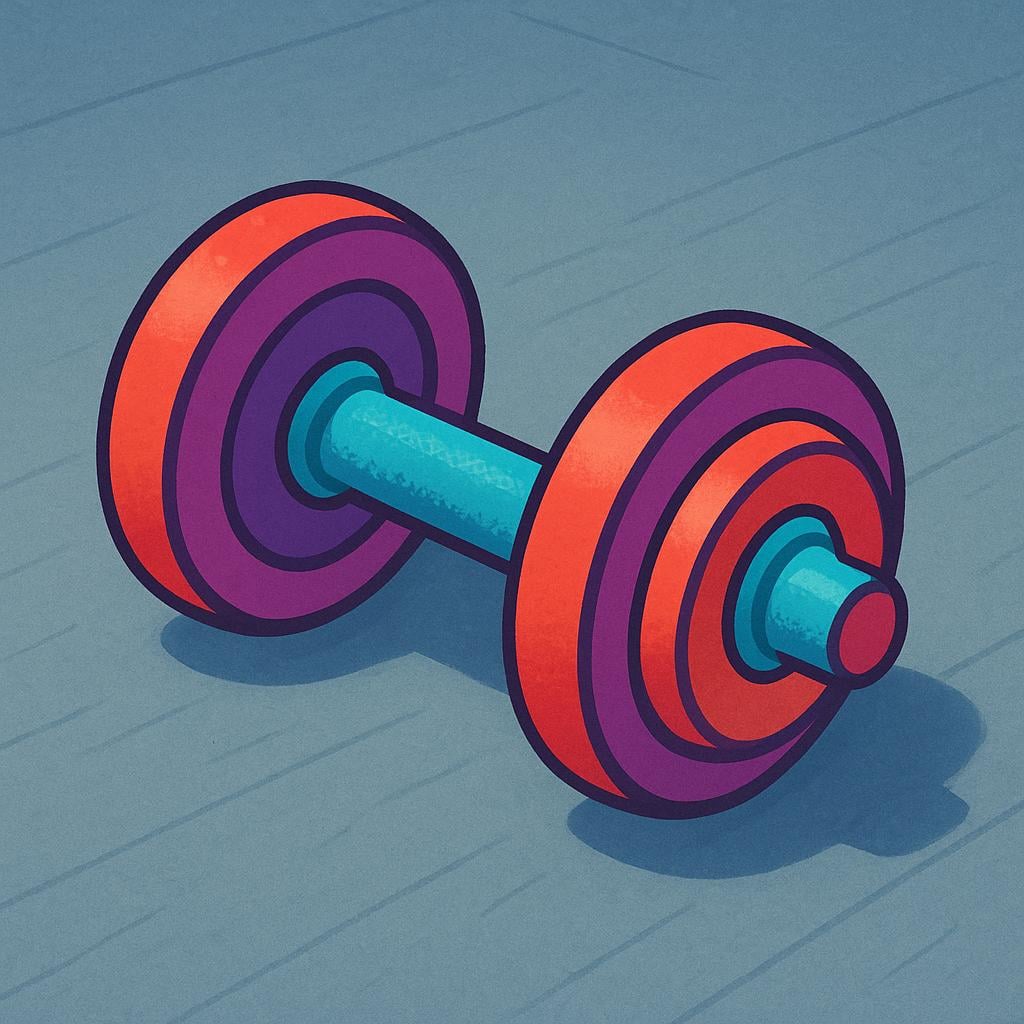
A single, brightly colored red and yellow dumbbell resting on the floor.

The noun 'pesa' refers to a dumbbell, a piece of fitness equipment.

pesa(noun)

fA1

dumbbell

?

fitness equipment

,

weight

?

physical object used for exercise or measurement

Also:

scale weight

?

small object used to balance a scale

📝 In Action

Necesito comprar una pesa de dos kilos para el gimnasio.

A1

I need to buy a two-kilo dumbbell for the gym.

La pesa que usa el doctor para medir la comida es muy pequeña.

B1

The scale weight the doctor uses to measure food is very small.

Word Connections

Synonyms

  • mancuerna (dumbbell)
  • contrapeso (counterweight)

Common Collocations

  • levantar pesasto lift weights
  • pesas rusas (kettlebells)kettlebells

💡 Grammar Points

Gender Check

Remember that 'pesa' is feminine (la pesa), even though it relates to 'peso' (el peso, the weight/heaviness).

⭐ Usage Tips

Plural Form

When talking about weightlifting or exercise, the word is often used in the plural: 'hacer pesas' (to lift weights).

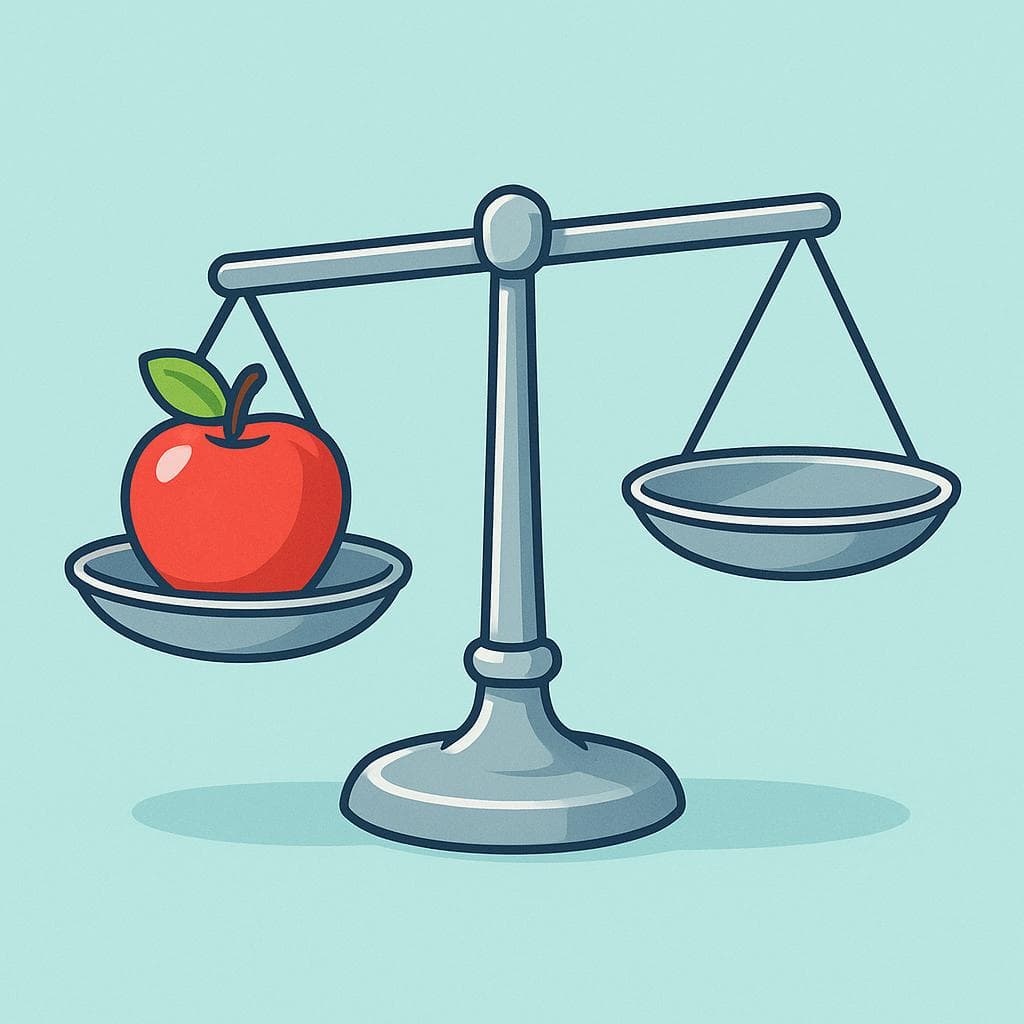
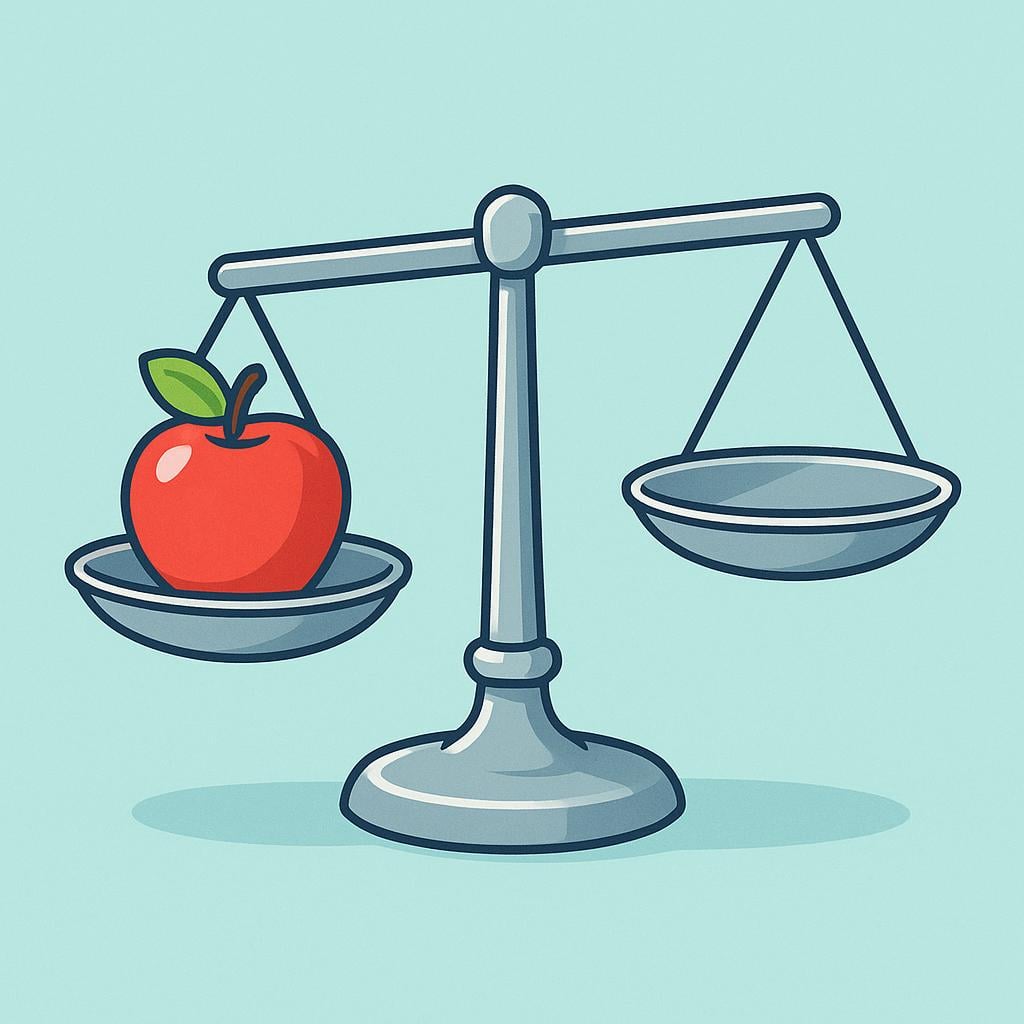
A simple, classic balance scale with a large red apple placed on one pan, causing that side to dip down.

As a verb form, 'pesa' means 'weighs,' illustrating the action of determining mass.

pesa(verb)

A1regular ar

weighs

?

3rd person singular present of 'pesar'

,

is heavy

?

describing weight

Also:

bothers

?

figurative use: 'me pesa' (it bothers me)

📝 In Action

Este paquete pesa tres kilos exactamente.

A1

This package weighs exactly three kilos.

Usted pesa la fruta antes de pagar.

A2

You weigh the fruit before paying. (Formal command)

A mi hermana le pesa mucho haber mentido.

B1

It weighs heavily on my sister to have lied (She regrets having lied).

Word Connections

Synonyms

  • gravitar (to gravitate)
  • afligir (to distress (figurative))

Common Collocations

  • pesar la comidato weigh the food
  • pesar en la concienciato weigh heavily on one's conscience

💡 Grammar Points

Using 'Pesar' like 'Gustar'

When 'pesar' means 'to bother' or 'to regret,' it is often used backwards, just like 'gustar' (to like). The thing that bothers someone is the subject: 'Me pesa el error' (The mistake bothers me).

❌ Common Pitfalls

Confusing 'Pesar' with 'Sentir'

Mistake: "I regret the mistake: 'Yo peso el error.'"

Correction: The verb 'pesar' is used impersonally or with the 'a + person' structure: 'Me pesa el error.' For simple regret, use 'sentir': 'Siento el error.'

⭐ Usage Tips

Weighing vs. Thinking

The infinitive 'pesar' comes from a Latin word meaning 'to weigh' or 'to consider.' This is why it can mean both 'to weigh' (physical action) and 'to be heavy on your mind' (figurative regret).

🔄 Conjugations

indicative

present

él/ella/ustedpesa
yopeso
pesas
ellos/ellas/ustedespesan
nosotrospesamos
vosotrospesáis

imperfect

él/ella/ustedpesaba
yopesaba
pesabas
ellos/ellas/ustedespesaban
nosotrospesábamos
vosotrospesabais

preterite

él/ella/ustedpesó
yopesé
pesaste
ellos/ellas/ustedespesaron
nosotrospesamos
vosotrospesasteis

subjunctive

present

él/ella/ustedpese
yopese
peses
ellos/ellas/ustedespesen
nosotrospesemos
vosotrospeséis

imperfect

él/ella/ustedpesara/pesase
yopesara/pesase
pesaras/pesases
ellos/ellas/ustedespesaran/pesasen
nosotrospesáramos/pesásemos
vosotrospesarais/pesaseis

✏️ Quick Practice

💡 Quick Quiz: pesa

Question 1 of 2

Which sentence uses 'pesa' as a piece of gym equipment?

📚 More Resources

Word Family

Frequently Asked Questions

¿Cuál es la diferencia entre 'pesa' y 'peso'?

'Pesa' (feminine noun) is the physical object—the dumbbell or scale weight. 'Peso' (masculine noun) is the measurement—the actual heaviness or mass of an object (e.g., 'El peso de la caja es de 10 kilos'). 'Pesa' is also the conjugated verb form ('it weighs').

Is the verb 'pesar' irregular?

No, 'pesar' is a regular verb. It follows the standard pattern for verbs that end in -ar in all tenses, which makes it easy to conjugate.