How to Say "bothers" in Spanish
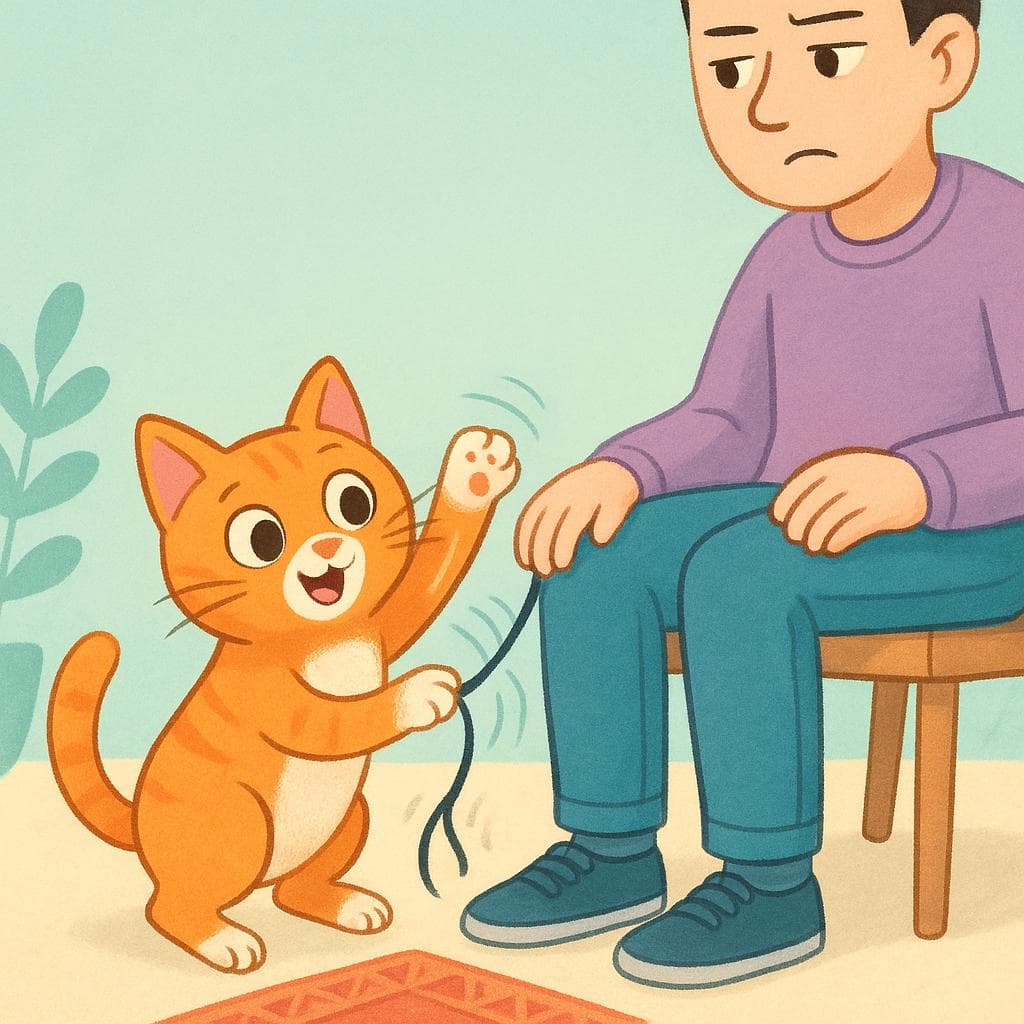
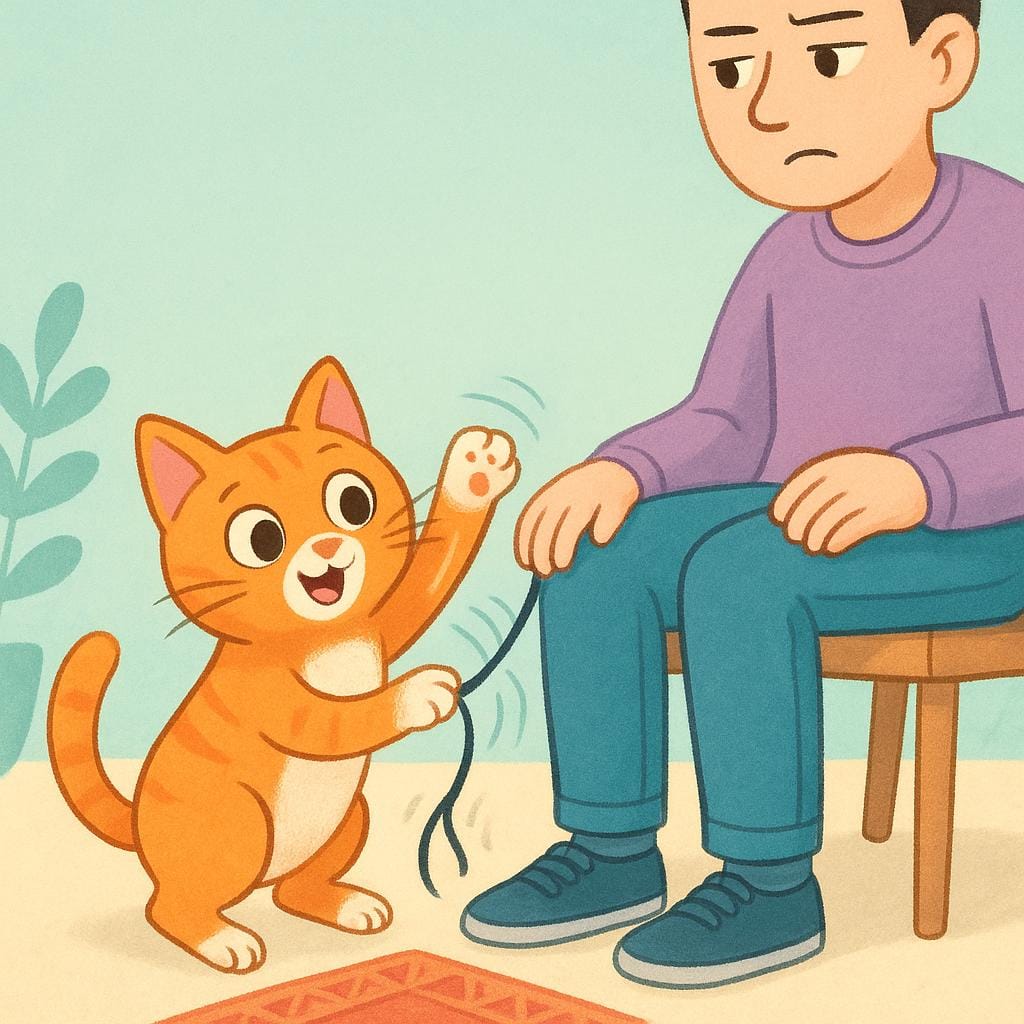
The most common Spanish word for “bothers” is “molesta” — use this word when someone or something is actively annoying, disturbing, or bothering you, often causing irritation.

molesta
moh-LEH-stahmoˈlesta
Examples
El ruido de la calle me molesta por la noche.
The noise from the street bothers me at night.
Mi perro siempre me molesta cuando estoy leyendo.
My dog always bothers me when I am reading.
¿Le molesta si abro la ventana, señorita?
Does it bother you if I open the window, ma'am?
Él molesta a los vecinos con su música alta.
He annoys the neighbors with his loud music.
Meaning: Annoyed vs. Annoying
To ask 'Are you bothered?' Spanish uses the object pronoun 'te': '¿Te molesta?' (Does it bother you?). The thing causing the bother (the noise, the person) is the subject of the sentence.
Polite Commands
'Molesta' is also the informal command for 'you' (tú): '¡Molesta a tu hermano!' (Bother your brother!). This form is identical to the 'él/ella/usted' present tense.
Mixing Subject and Object
Mistake: “Yo molesta la situación.”
Correction: La situación *me* molesta. (The situation is the thing doing the annoying, not you. Use 'me' to show the annoyance happens *to* you.)
pesa
PEH-sahˈpesa

Examples
Me pesa no haberle llamado ayer.
It bothers me / I feel burdened that I didn't call him yesterday.
Este paquete pesa tres kilos exactamente.
This package weighs exactly three kilos.
Usted pesa la fruta antes de pagar.
You weigh the fruit before paying. (Formal command)
A mi hermana le pesa mucho haber mentido.
It weighs heavily on my sister to have lied (She regrets having lied).
Using 'Pesar' like 'Gustar'
When 'pesar' means 'to bother' or 'to regret,' it is often used backwards, just like 'gustar' (to like). The thing that bothers someone is the subject: 'Me pesa el error' (The mistake bothers me).
Confusing 'Pesar' with 'Sentir'
Mistake: “I regret the mistake: 'Yo peso el error.'”
Correction: The verb 'pesar' is used impersonally or with the 'a + person' structure: 'Me pesa el error.' For simple regret, use 'sentir': 'Siento el error.'
Molesta vs. Pesa
Related Translations
Learn Spanish with Inklingo
Interactive stories, personalized learning, and more.