bronce
“bronce” means “bronze” in Spanish. It has 2 different meanings depending on context:

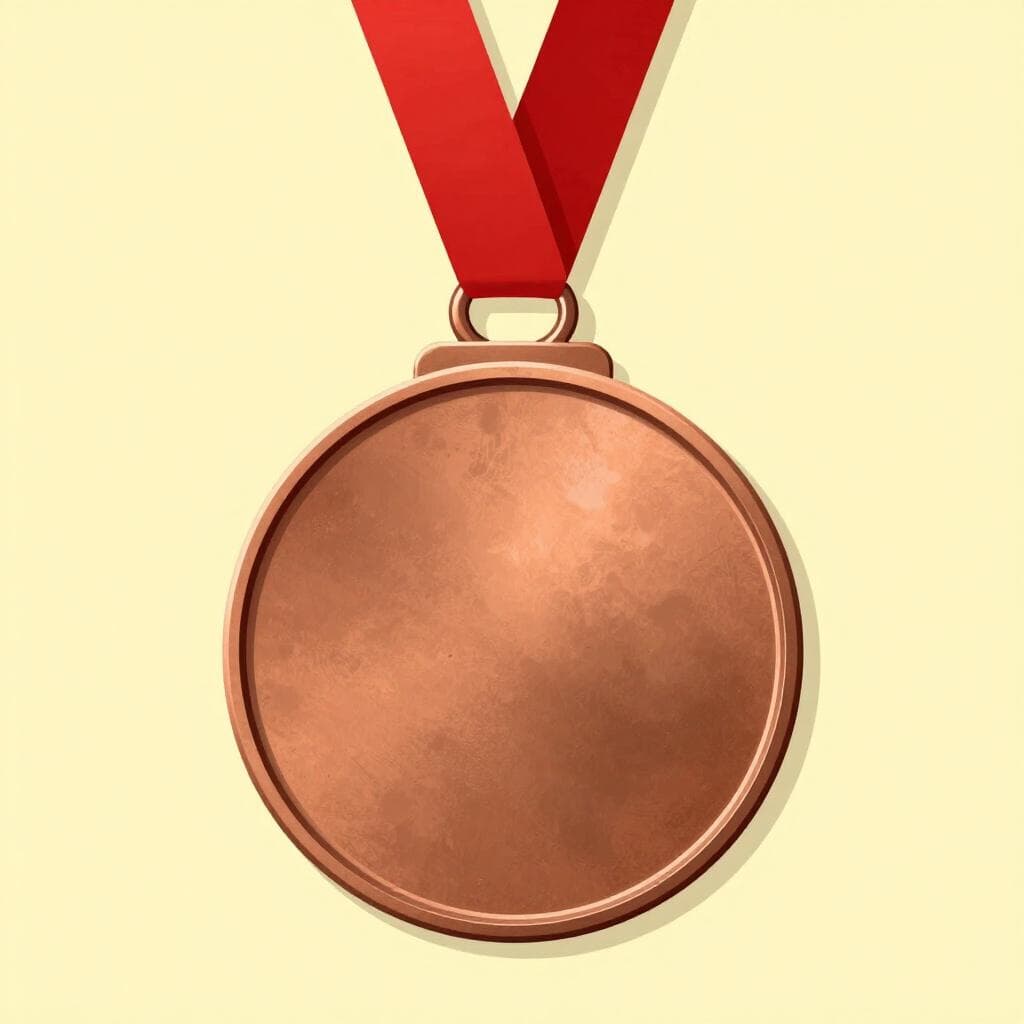
bronze
Also: bronze color
📝 In Action
La estatua en el parque está hecha de bronce.
A1The statue in the park is made of bronze.
El bronce es una mezcla de cobre y estaño.
B1Bronze is a mixture of copper and tin.
Pintaron las paredes de un tono bronce muy elegante.
B2They painted the walls a very elegant bronze tone.
bronze medal
Also: third place
📝 In Action
El equipo español ganó el bronce en los Juegos Olímpicos.
B1The Spanish team won the bronze in the Olympic Games.
Se quedó con el bronce tras una carrera muy reñida.
B2He took the bronze after a very close race.
Lucharán por el bronce en el partido de mañana.
B1They will fight for the bronze in tomorrow's match.
Translate to Spanish
✏️ Quick Practice
Quick Quiz: bronce
Question 1 of 3
Which of these is the correct way to say 'a bronze statue'?
📚 More Resources
👥 Word Family▼
📚 Etymology▼
From the Medieval Latin word 'bronzium', likely related to the Italian port city of Brindisi (Brundisium), famous for its metalwork.
First recorded: 15th century
Cognates (Related words)
💡 Master Spanish
Take your Spanish to the next level. Read 200+ illustrated and narrated Spanish stories tailored to your level with the Inklingo app!
Frequently Asked Questions
Does 'bronce' also mean brass?
No. Although they look similar, 'bronce' is bronze (copper and tin), while 'latón' is brass (copper and zinc).
Is 'bronce' masculine or feminine?
It is masculine: 'el bronce'.
Can I use 'bronce' as an adjective?
Not usually directly. You should use 'de bronce' (made of bronze) or 'color bronce' (bronze-colored).