cógelo
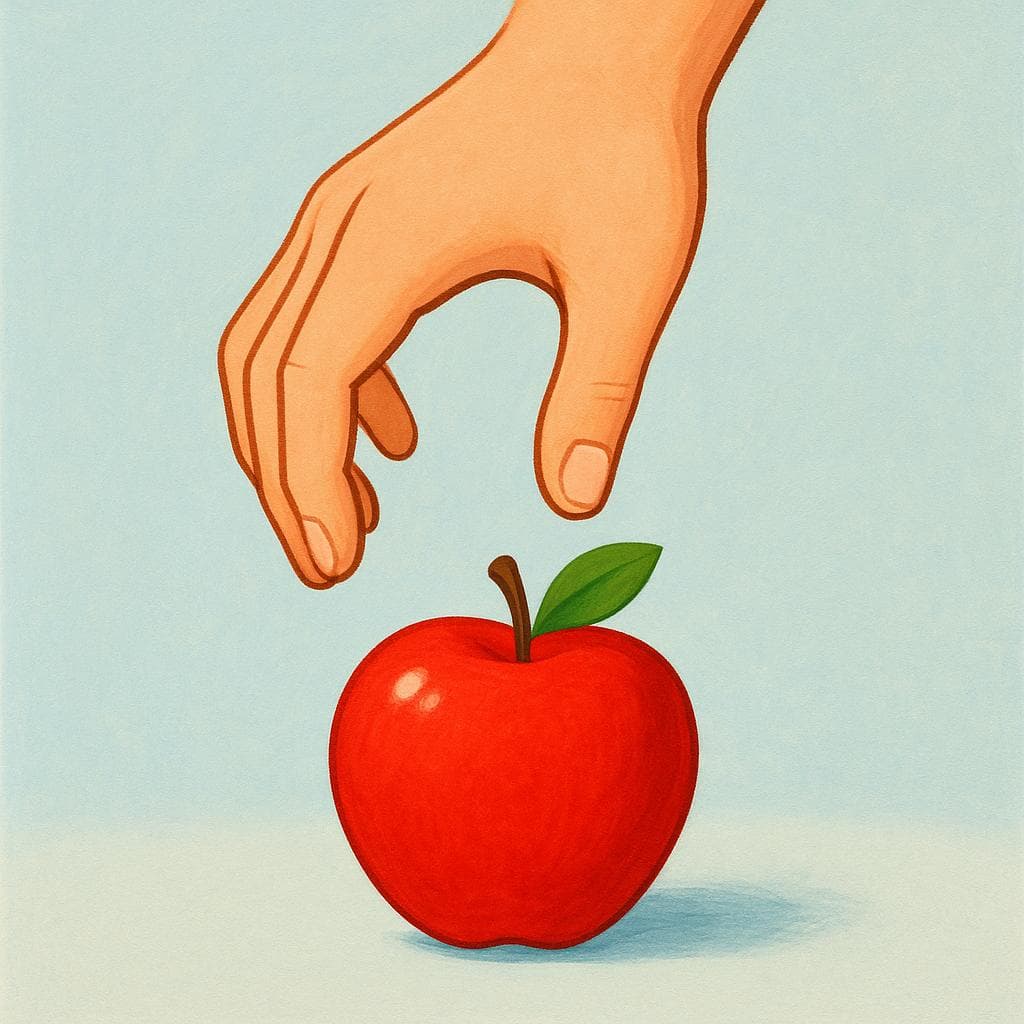
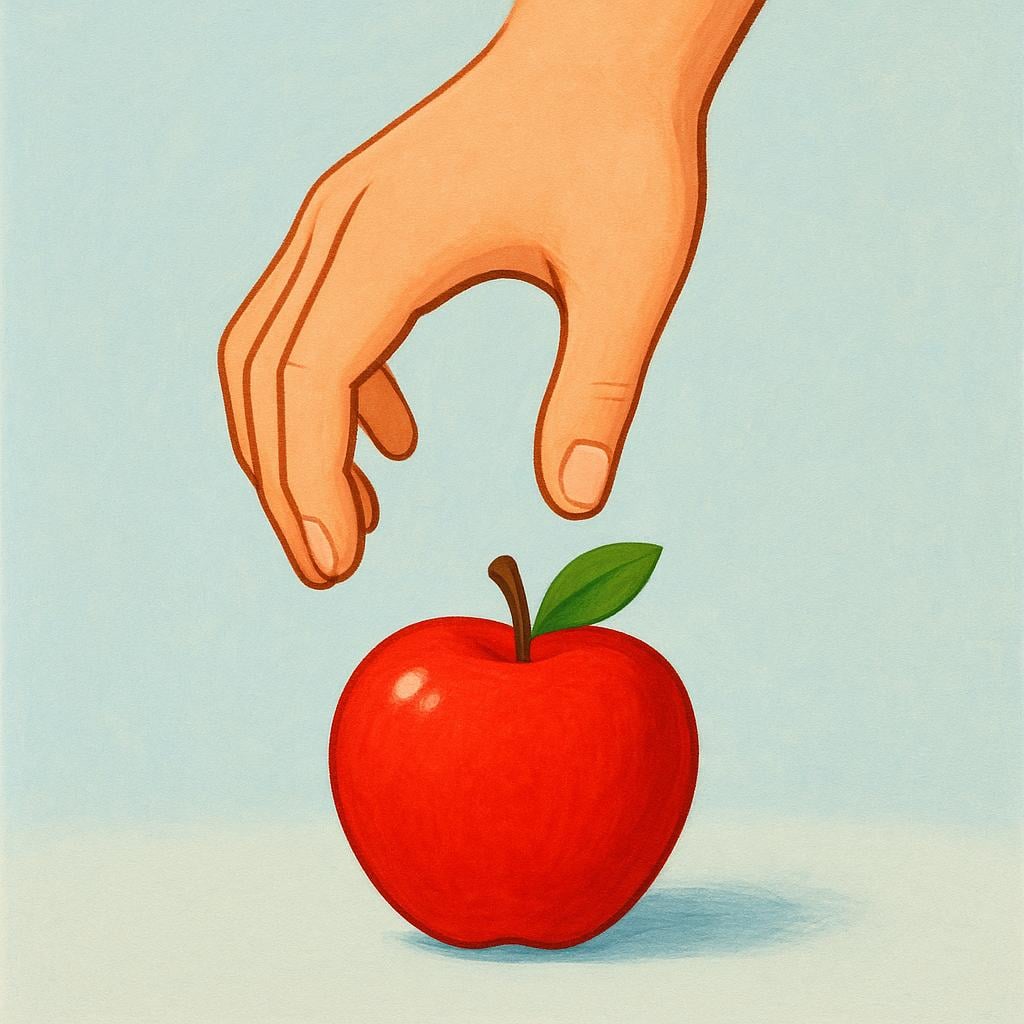
“cógelo” means “Take it” in Spanish. It has 2 different meanings depending on context:

📝 In Action
Aquí tienes la llave, cógelo antes de salir.
A1Here is the key (masc. noun), take it before you leave.
Si el perro tira la pelota, cógelo y guárdalo.
A2If the dog throws the ball, catch it and put it away.
El libro está en la mesa, cógelo si lo necesitas.
A1The book is on the table, grab it if you need it.
Word Connections

📝 In Action
¡Cógelo! (Context: A very angry person dismissing a problem.)
C2F*** it! / Screw it!
Si el carro no arranca, que el mecánico cógelo.
C2If the car won't start, let the mechanic fix it (sexual connotation). (Note: This is grammatically awkward but illustrates the meaning.)
Indicative
Preterite
Present
Imperfect
Subjunctive
Present Subjunctive
Imperfect Subjunctive
✏️ Quick Practice
Quick Quiz: cógelo
Question 1 of 2
If you are in Mexico and want to ask someone to grab a book (el libro), which phrase should you use?
📚 More Resources
👥 Word Family
🎵 Rhymes
📚 Etymology
The verb 'coger' comes from the Latin verb *collīgere*, meaning 'to gather' or 'to collect.' Over time, its meaning shifted to 'grasp' or 'take.' The pronoun 'lo' comes from the Latin *illum* (that/him).
First recorded: Around the 13th century in Spanish texts.
Cognates (Related words)
💡 Master Spanish
Take your Spanish to the next level. Read 200+ illustrated and narrated Spanish stories tailored to your level with the Inklingo app!
Frequently Asked Questions
Why does 'cógelo' have an accent mark when the base verb 'coge' does not?
The accent mark is needed because when you attach a pronoun ('lo') to the command, the word gets longer. Spanish stress rules say the stress should fall on the second-to-last syllable, but we need the stress to stay on the original syllable, so we use the accent mark to override the rule and keep the stress on the 'o' (CÓ-ge-lo).
If 'coger' is safe in Spain, why did it become vulgar in Latin America?
Linguists believe that in some Latin American regions, the meaning of 'coger' shifted due to influence from indigenous languages or local slang, evolving the sense of 'grasp/seize' into a vulgar reference for sexual intercourse. This change is very widespread, making it a crucial regional difference to learn.