chistes
“chistes” means “jokes” in Spanish (funny stories or remarks).
jokes
Also: gags, witticisms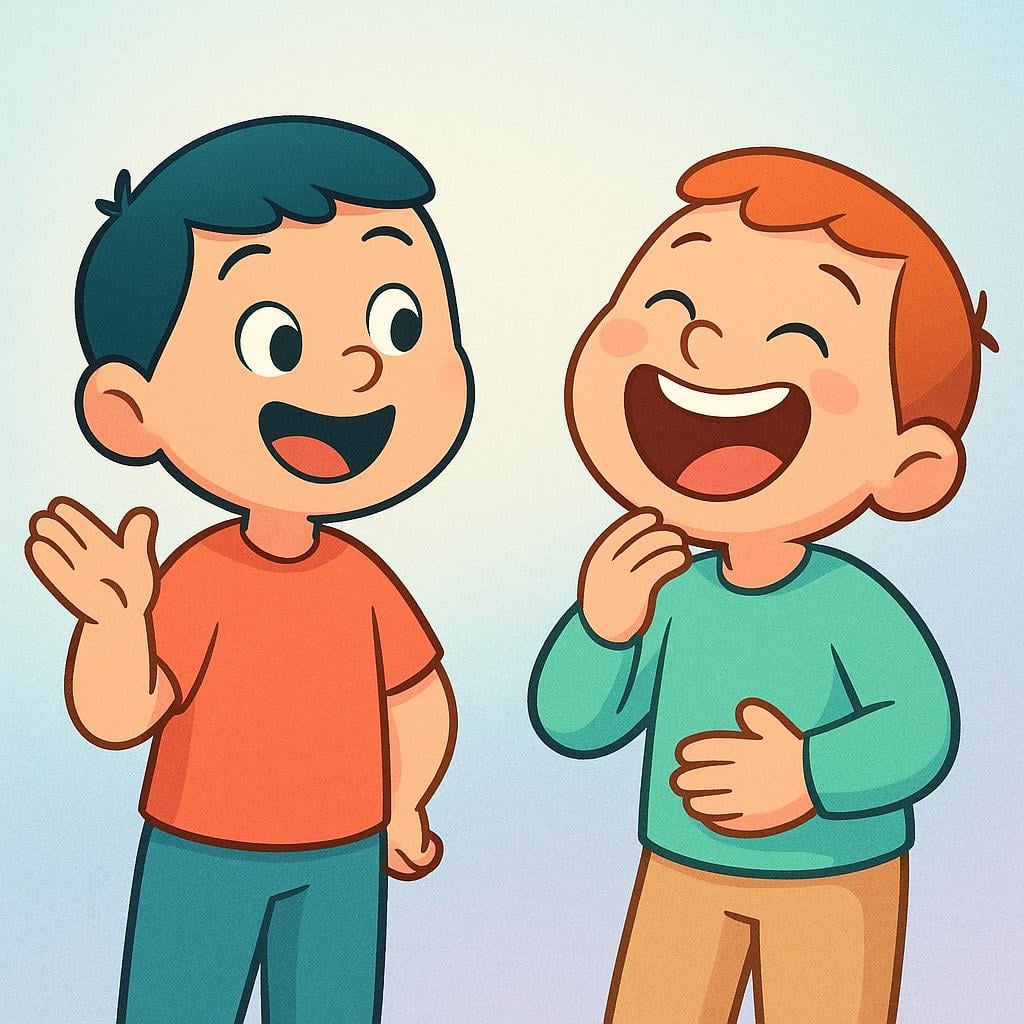
📝 In Action
Mi abuelo siempre cuenta los mismos chistes viejos.
A1My grandfather always tells the same old jokes.
¿Conoces algunos chistes buenos para romper el hielo?
A2Do you know any good jokes to break the ice?
Todos se rieron mucho con sus chistes.
A1Everyone laughed a lot at his jokes.
Translate to Spanish
✏️ Quick Practice
Quick Quiz: chistes
Question 1 of 2
Which verb correctly completes the phrase: 'Mi amigo va a ______ chistes en la fiesta.'
📚 More Resources
👥 Word Family▼
🎵 Rhymes▼
📚 Etymology▼
The word likely comes from a very old root associated with making sounds or whistling, which evolved to mean 'a witty remark' or 'a jest' in Spanish sometime before the 18th century.
First recorded: 17th century
💡 Master Spanish
Take your Spanish to the next level. Read 200+ illustrated and narrated Spanish stories tailored to your level with the Inklingo app!
Frequently Asked Questions
¿Cuál es la diferencia entre 'chistes' y 'bromas'?
While both mean 'jokes,' 'chistes' usually refers to a specific funny story or punchline. 'Bromas' is broader; it can mean a joke, a prank, or just general fooling around.
If I want to describe someone as funny, what word should I use from the 'chistes' family?
You should use the adjective 'chistoso' (masculine) or 'chistosa' (feminine). Example: 'Es un hombre muy chistoso' (He is a very funny man).