chiste
“chiste” means “joke” in Spanish. It has 2 different meanings depending on context:
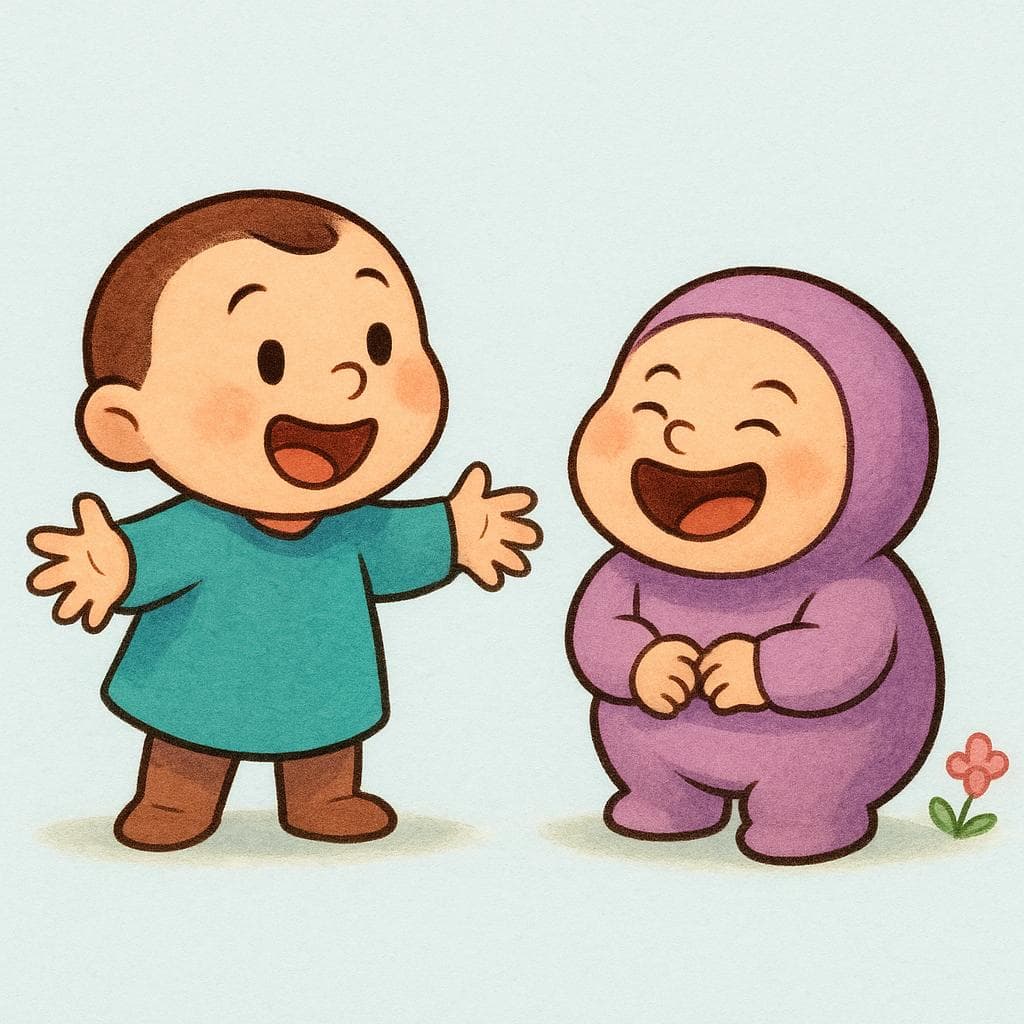
joke, gagAlso: jest

📝 In Action
Mi tío siempre cuenta el mismo chiste en Navidad.
A1My uncle always tells the same joke at Christmas.
¿Entendiste el chiste? Necesitas un buen sentido del humor.
A2Did you get the joke? You need a good sense of humor.
No pude parar de reír con ese chiste tan bueno.
A2I couldn't stop laughing at that great joke.
Word Connections
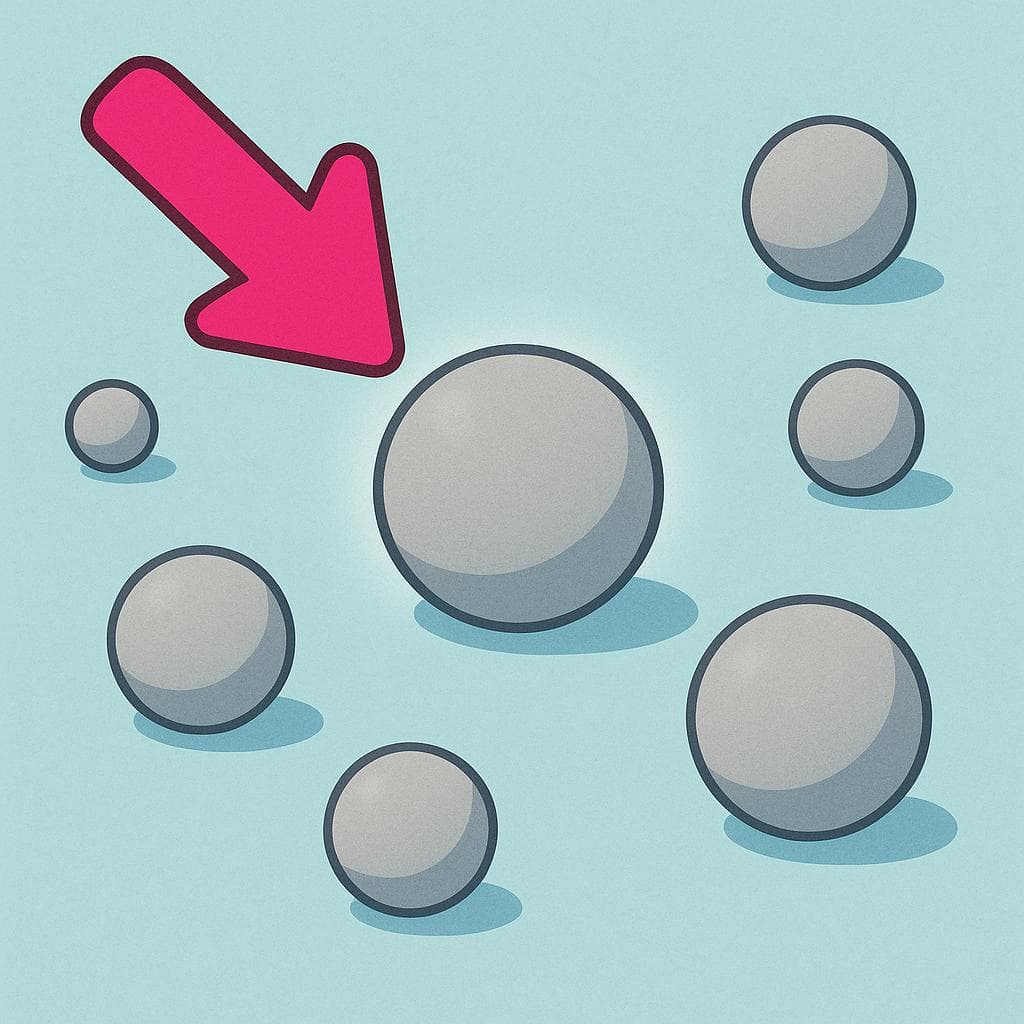
point, trickAlso: fun

📝 In Action
No le veo el chiste a esperar en la fila por dos horas.
B2I don't see the point in waiting in line for two hours.
¿Cuál es el chiste de la nueva política de la empresa?
C1What is the trick/point of the company's new policy?
La comida era buena, pero el ambiente no tenía chiste.
B2The food was good, but the atmosphere was boring/lacked flair.
Word Connections
✏️ Quick Practice
Quick Quiz: chiste
Question 1 of 2
Which sentence uses 'chiste' to mean 'the main point or trick'?
📚 More Resources
👥 Word Family
📚 Etymology
The exact origin is uncertain, but it is likely related to 'chistar,' which historically meant 'to mutter' or 'to whisper.' The meaning evolved to refer to a witty or whispered remark, and eventually, a humorous story.
First recorded: 17th century
💡 Master Spanish
Take your Spanish to the next level. Read 200+ illustrated and narrated Spanish stories tailored to your level with the Inklingo app!
Frequently Asked Questions
Why is 'chiste' masculine if it ends in -e?
Spanish noun gender is not always predictable by the ending. While many nouns ending in -e are feminine, 'chiste' is firmly masculine. You simply must memorize it as 'el chiste,' just like 'el coche' (car) or 'el parque' (park).
Is 'chiste' the same as 'broma'?
They are similar but different. 'Chiste' is usually a verbal joke or a short, funny story. 'Broma' is typically a practical joke, a prank, or a lighthearted tease (like 'estar de broma').