How to Say "jest" in Spanish
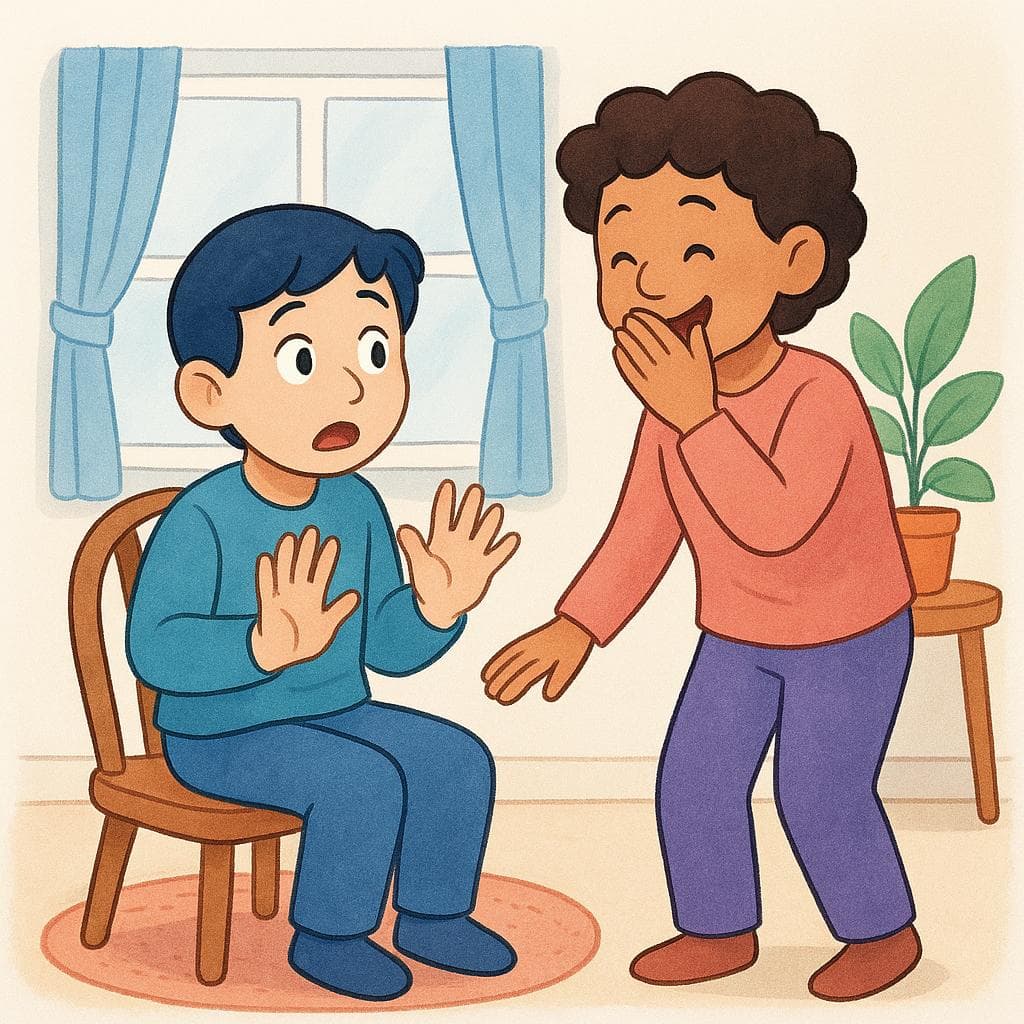
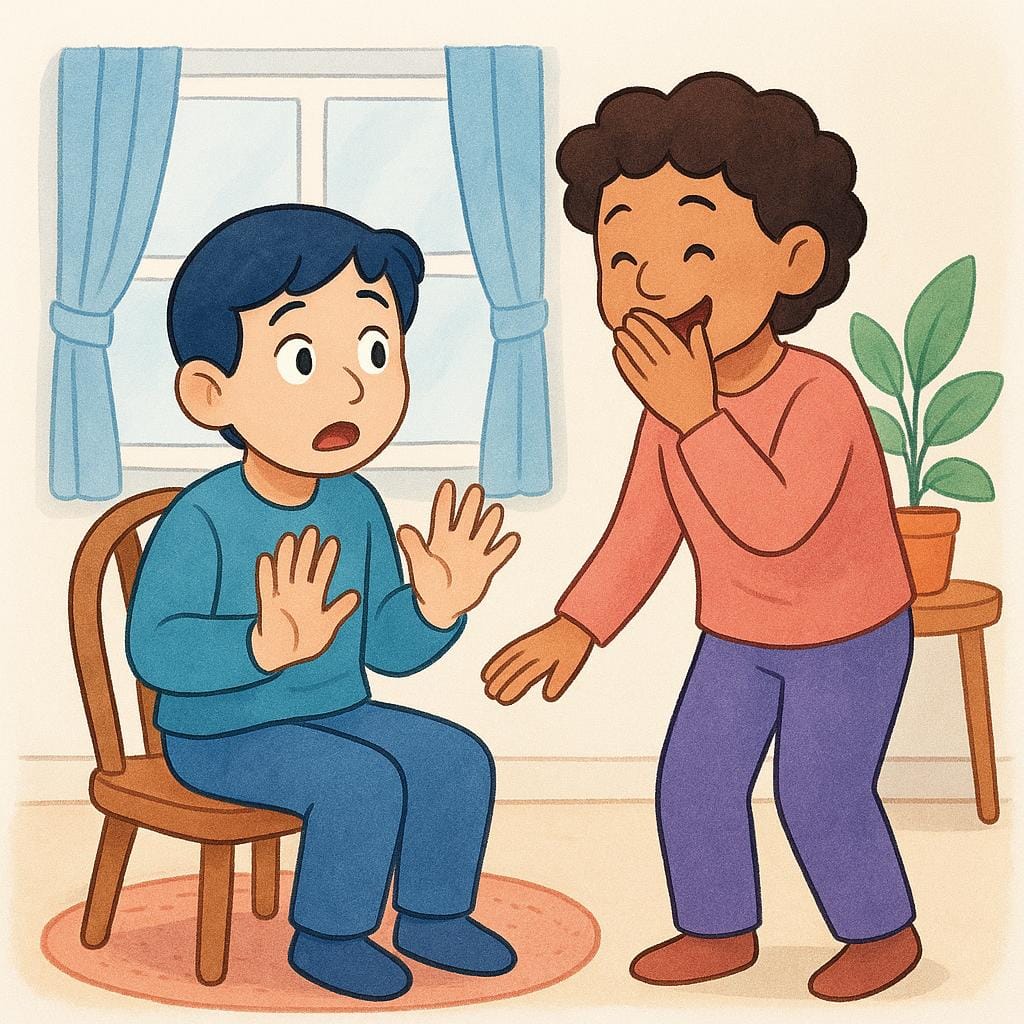
The most common Spanish word for “jest” is “broma” — use 'broma' for everyday jokes, pranks, or lighthearted teasing that is said or done for amusement. It's the most common and versatile term.
broma
BRO-mahˈbɾoma
Examples
Solo era una broma, no te enfades.
It was just a joke, don't get angry.
Le gastamos una broma a nuestro profesor por su cumpleaños.
We played a prank on our teacher for his birthday.
¿Lo dices en serio o es una broma?
Are you serious or is it a joke?
Always Feminine: 'la broma'
'Broma' is a feminine word, so you always use feminine words like 'la', 'una', 'esta', or 'mucha' with it. For example, 'una broma buena' (a good joke).
'Broma' vs. 'Chiste'
Mistake: “Quiero decirte una broma.”
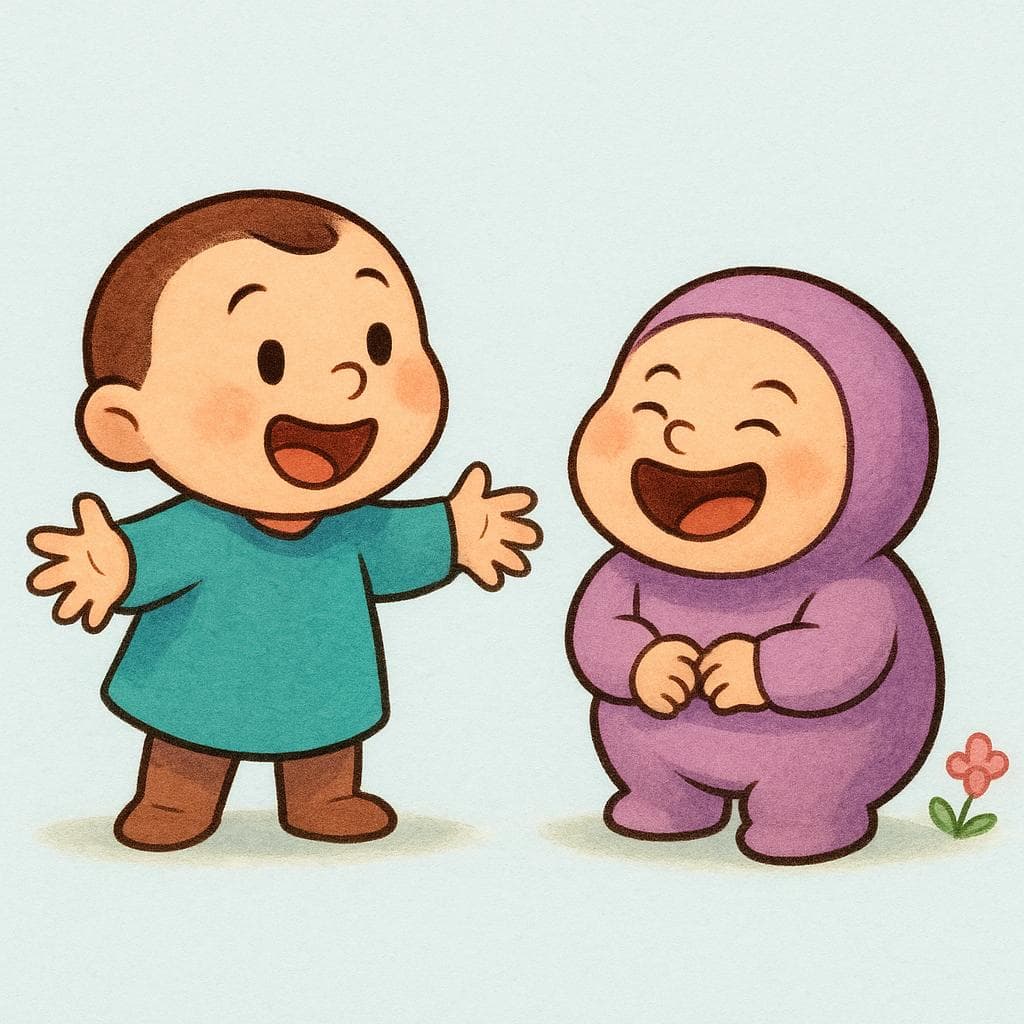
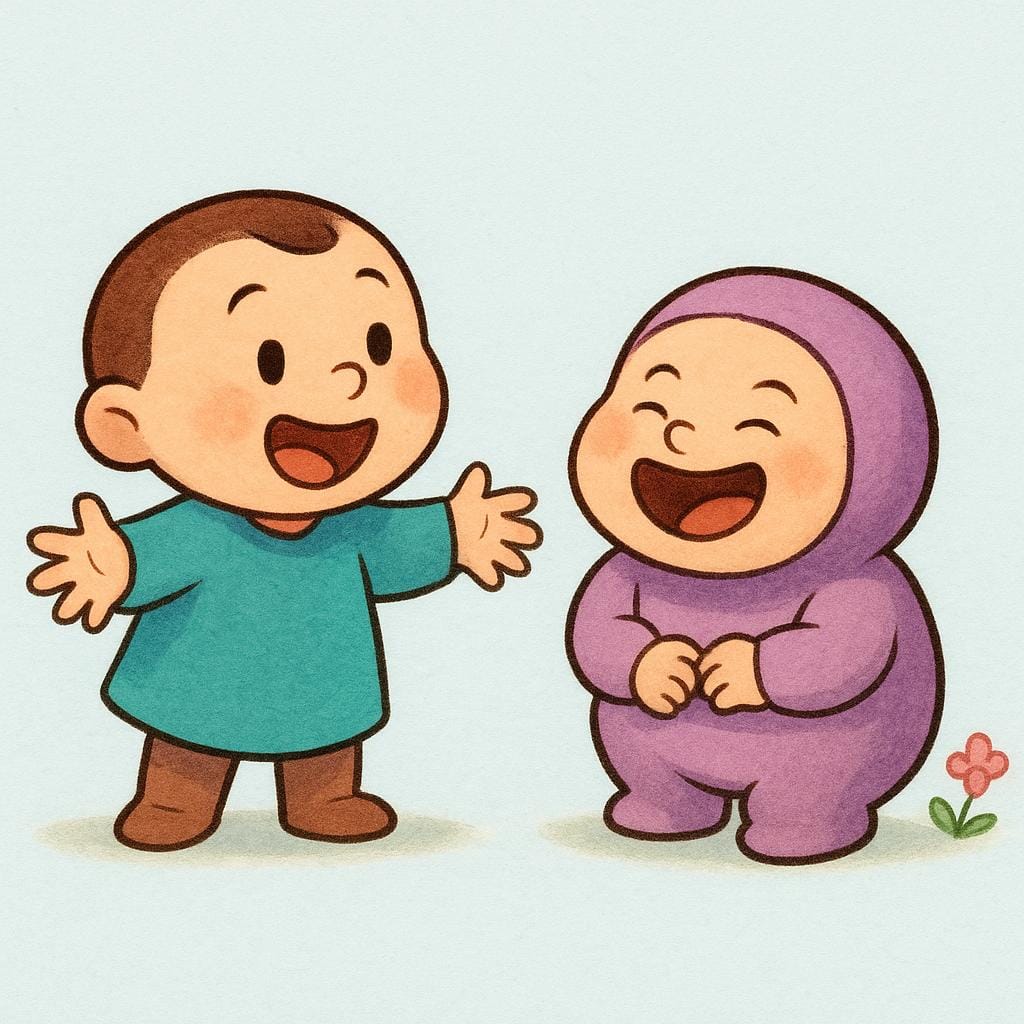
Correction: Quiero contarte un chiste. A 'chiste' is a structured joke you tell, like a 'knock-knock' joke. A 'broma' is more general and can be a situation, a comment, or a prank.
chiste
CHEE-stayˈt͡ʃiste
Examples
Mi tío siempre cuenta el mismo chiste en Navidad.
My uncle always tells the same joke at Christmas.
¿Entendiste el chiste? Necesitas un buen sentido del humor.
Did you get the joke? You need a good sense of humor.
No pude parar de reír con ese chiste tan bueno.
I couldn't stop laughing at that great joke.
Gender Alert
Even though 'chiste' ends in -e, it is a masculine word. Always use 'el chiste' or 'un chiste'.
Telling vs. Saying
Mistake: “Decir un chiste.”
Correction: Contar un chiste. In Spanish, you 'count' or 'tell' a joke, you don't 'say' it.
Broma vs. Chiste
Learn Spanish with Inklingo
Interactive stories, personalized learning, and more.