How to Say "joke" in Spanish
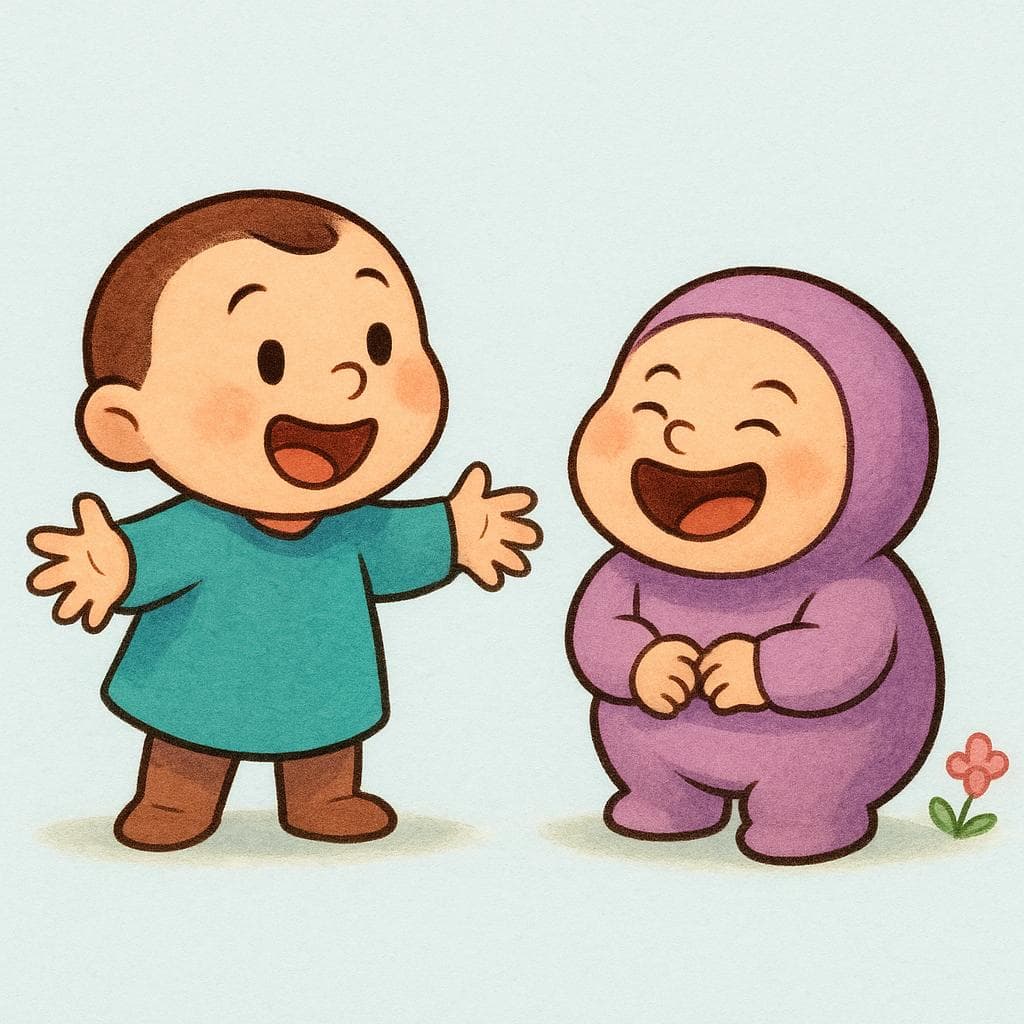
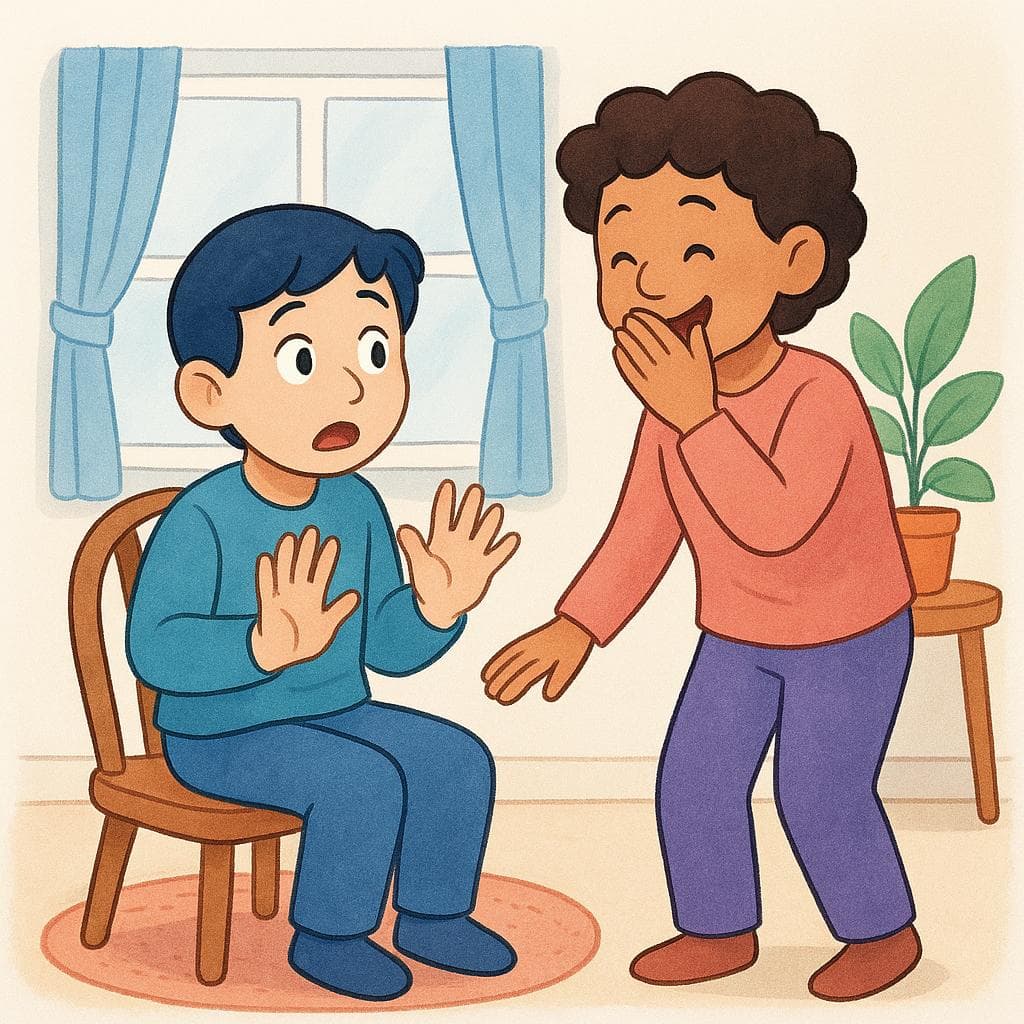
The most common Spanish word for “joke” is “chiste” — use 'chiste' when referring to a specific, usually short, funny story or a punchline intended to make someone laugh.



chiste
CHEE-stayˈt͡ʃiste
Examples
Mi tío siempre cuenta el mismo chiste en Navidad.
My uncle always tells the same joke at Christmas.
¿Entendiste el chiste? Necesitas un buen sentido del humor.
Did you get the joke? You need a good sense of humor.
No pude parar de reír con ese chiste tan bueno.
I couldn't stop laughing at that great joke.
Gender Alert
Even though 'chiste' ends in -e, it is a masculine word. Always use 'el chiste' or 'un chiste'.
Telling vs. Saying
Mistake: “Decir un chiste.”
Correction: Contar un chiste. In Spanish, you 'count' or 'tell' a joke, you don't 'say' it.
broma
BRO-mahˈbɾoma
Examples
Solo era una broma, no te enfades.
It was just a joke, don't get angry.
Le gastamos una broma a nuestro profesor por su cumpleaños.
We played a prank on our teacher for his birthday.
¿Lo dices en serio o es una broma?
Are you serious or is it a joke?
Always Feminine: 'la broma'
'Broma' is a feminine word, so you always use feminine words like 'la', 'una', 'esta', or 'mucha' with it. For example, 'una broma buena' (a good joke).
'Broma' vs. 'Chiste'
Mistake: “Quiero decirte una broma.”
Correction: Quiero contarte un chiste. A 'chiste' is a structured joke you tell, like a 'knock-knock' joke. A 'broma' is more general and can be a situation, a comment, or a prank.
gracia
GRAH-syahˈɡɾa.θja

Examples
El comediante tiene mucha gracia, me hizo reír toda la noche.
The comedian has a lot of humor (or is very funny); he made me laugh all night.
¿Qué te pasa? No le veo la gracia a eso.
What's wrong? I don't see the humor in that.
Finding Humor (Hacer Gracia)
To say you find something funny, Spanish uses the structure 'hacer gracia' (to make humor) which works like 'gustar': 'Me hace gracia' means 'I find it funny'.
Confusing 'Gracia' and 'Diversión'
Mistake: “Using 'diversión' when referring to the quality of being funny.”
Correction: 'Diversión' means 'entertainment' or 'fun' (like an activity). 'Gracia' is the quality of wit or humor itself.
burla
BOOR-lahˈbuɾla

Examples
No me gustan sus burlas sobre mi ropa.
I don't like his jokes about my clothes.
Lo hizo en son de burla.
He did it in a mocking way.
Using the word with 'de'
When you want to say who or what you are making fun of, always use 'de' after the word burla.
Burla vs. Broma
Mistake: “Using 'burla' for a friendly prank.”
Correction: Use 'broma' for friendly jokes. 'Burla' often implies someone's feelings are being hurt or they are being humiliated.
coña
KOH-nyahˈkoɲa

Examples
¿Lo dices en serio o estás de coña?
Are you serious or are you kidding?
No voy a ir a esa fiesta ni de coña.
I am not going to that party, no way.
Fue una coña que nos gastó Juan.
It was a joke that Juan played on us.
Using 'De' with Coña
When you want to say you are joking, you almost always use the little word 'de' before coña, as in 'estar de coña'.
Too much 'Coña' in formal settings
Mistake: “Using 'coña' in a job interview.”
Correction: Use 'broma' instead. 'Coña' is very informal and can sound slightly rude or too relaxed in serious situations.
Chiste vs. Broma: The Core Confusion
Related Translations
Learn Spanish with Inklingo
Interactive stories, personalized learning, and more.