burla
“burla” means “mockery” in Spanish. It has 2 different meanings depending on context:


mockeryAlso: taunt, joke

📝 In Action
No me gustan sus burlas sobre mi ropa.
B1I don't like his jokes about my clothes.
Lo hizo en son de burla.
B2He did it in a mocking way.
Word Connections
tricksAlso: evades, mocks
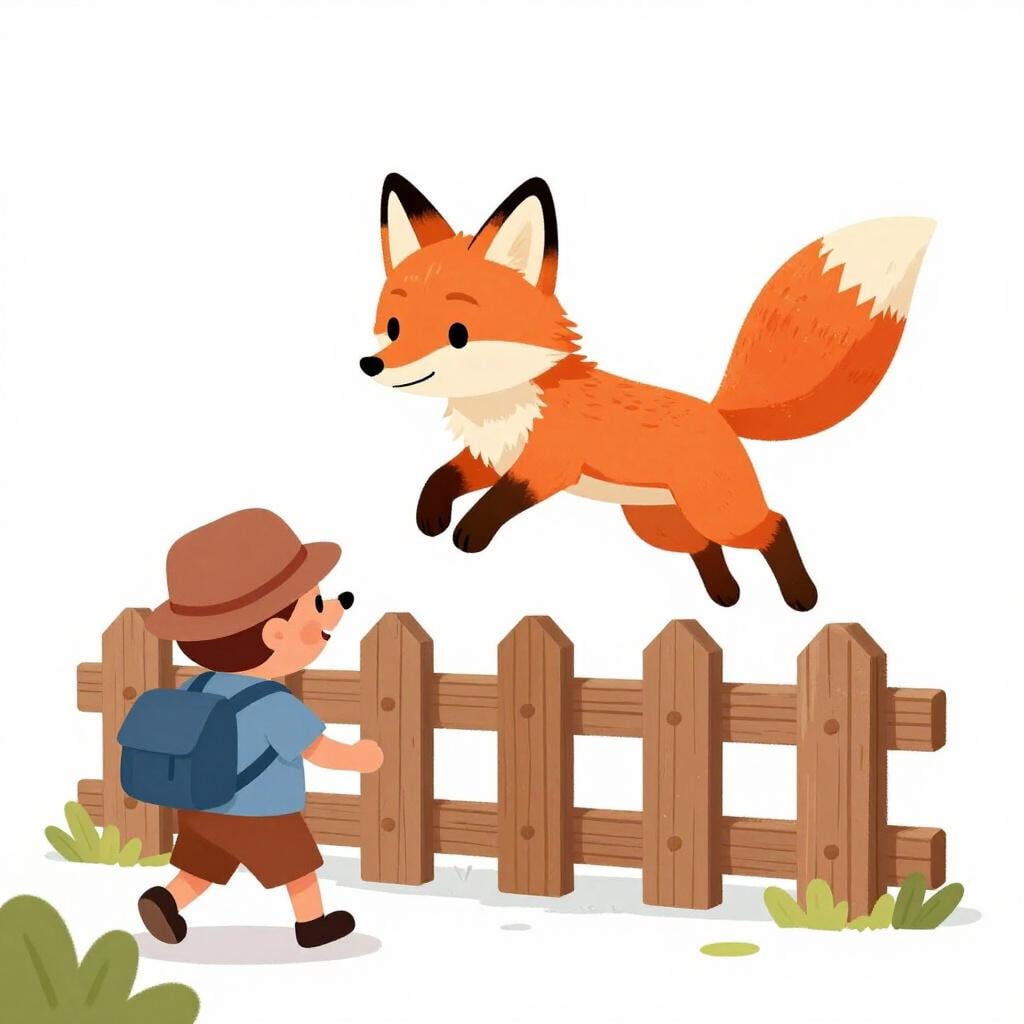
📝 In Action
El delantero burla a la defensa con facilidad.
B2The forward tricks the defense with ease.
Ella siempre burla la seguridad del edificio.
C1She always evades the building's security.
Word Connections
Subjunctive
Imperfect Subjunctive
Present Subjunctive
Indicative
Preterite
Imperfect
Present
✏️ Quick Practice
Quick Quiz: burla
Question 1 of 2
Which word is better for a friendly, harmless joke with a friend?
📚 More Resources
👥 Word Family
🎵 Rhymes
📚 Etymology
Comes from the vulgar Latin word 'burrula', which is a smaller version of 'burra' (nonsense or wool). It originally referred to silly trifles or unimportant things.
First recorded: 13th century
Cognates (Related words)
💡 Master Spanish
Take your Spanish to the next level. Read 200+ illustrated and narrated Spanish stories tailored to your level with the Inklingo app!
Frequently Asked Questions
Is 'burla' always mean?
Not always, but it usually carries a more negative tone than 'broma'. It suggests someone is the target of the joke.
How do I say 'I am making fun of him'?
You would use the reflexive verb form: 'Me burlo de él'.