How to Say "prank" in Spanish
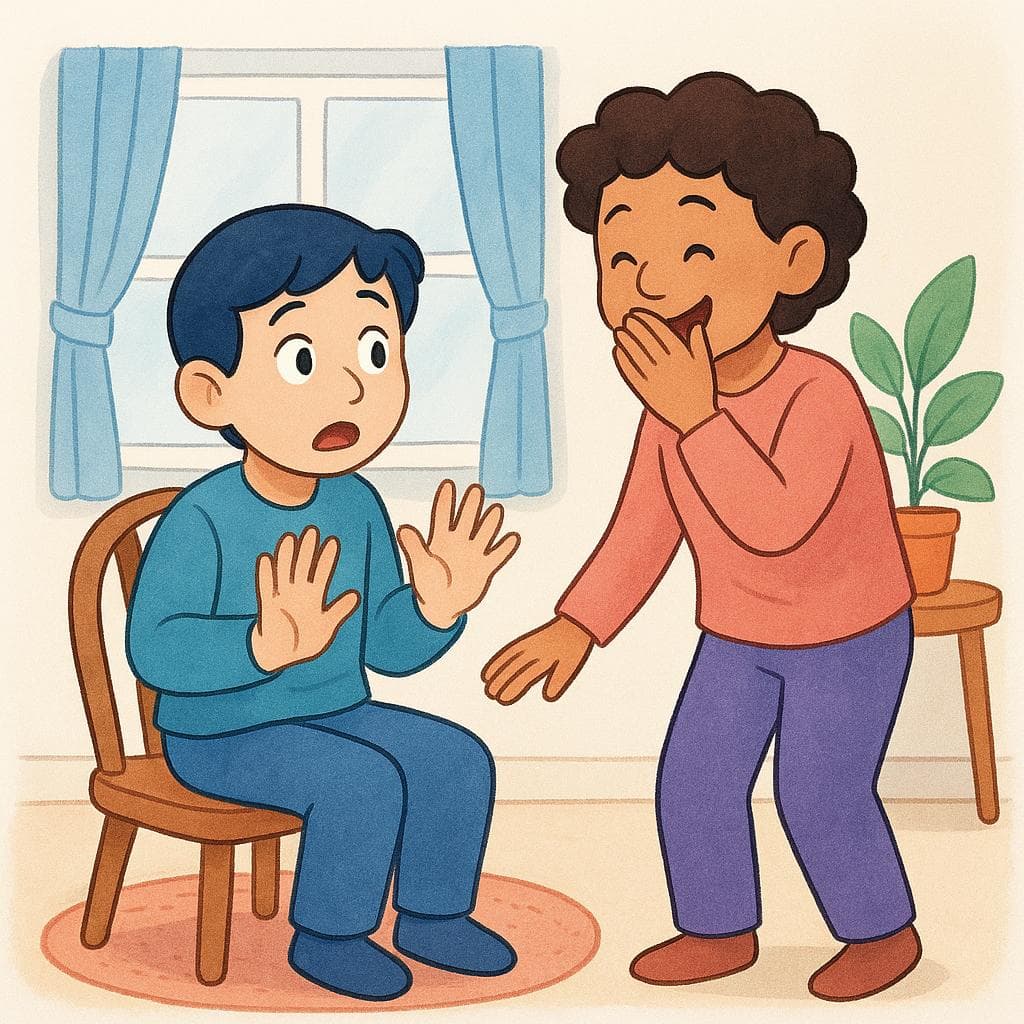
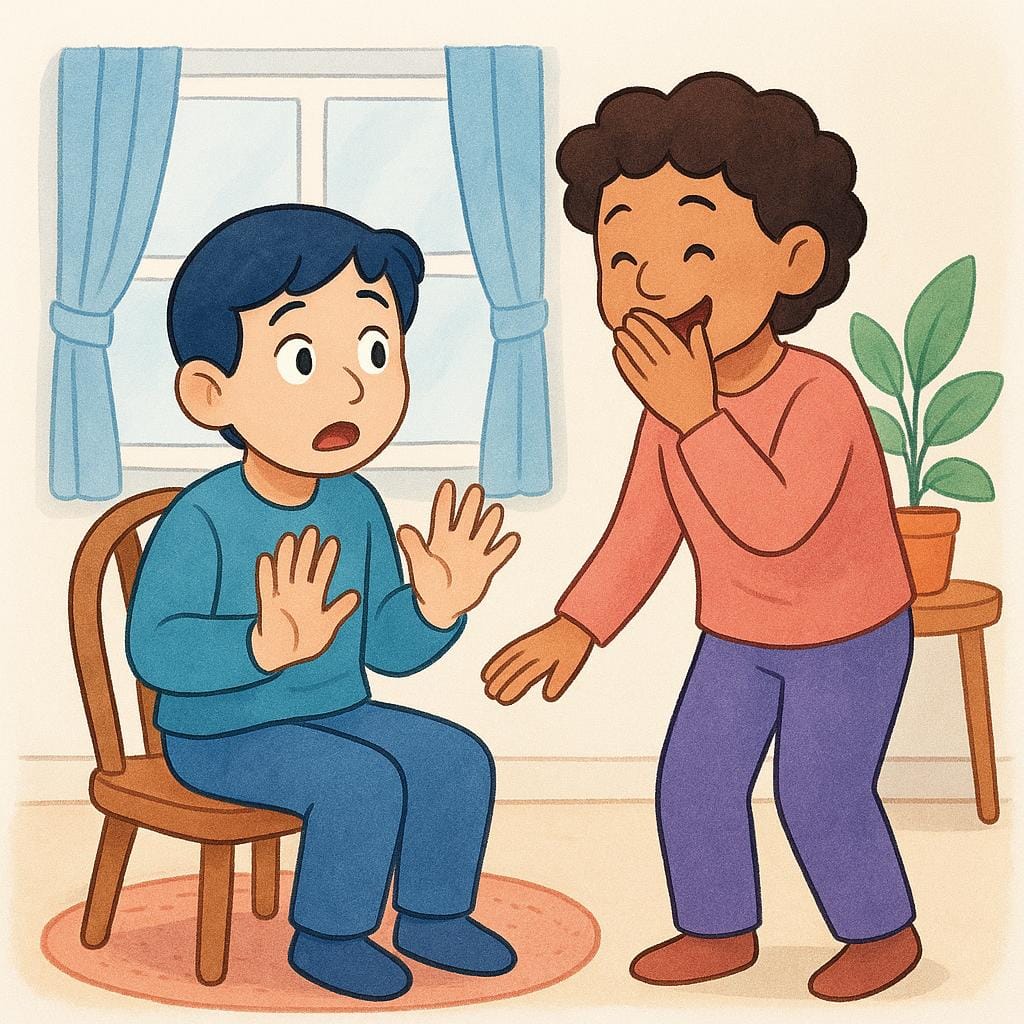
The most common Spanish word for “prank” is “broma” — use 'broma' for a general, lighthearted joke or jest that is meant to be funny and harmless.


broma
BRO-mahˈbɾoma
Examples
Solo era una broma, no te enfades.
It was just a joke, don't get angry.
Le gastamos una broma a nuestro profesor por su cumpleaños.
We played a prank on our teacher for his birthday.
¿Lo dices en serio o es una broma?
Are you serious or is it a joke?
Always Feminine: 'la broma'
'Broma' is a feminine word, so you always use feminine words like 'la', 'una', 'esta', or 'mucha' with it. For example, 'una broma buena' (a good joke).
'Broma' vs. 'Chiste'
Mistake: “Quiero decirte una broma.”
Correction: Quiero contarte un chiste. A 'chiste' is a structured joke you tell, like a 'knock-knock' joke. A 'broma' is more general and can be a situation, a comment, or a prank.
travesura
tra-ve-SOO-rahtɾaβeˈsuɾa
Examples
El perro hizo una travesura y rompió mis zapatos.
The dog made some mischief and chewed up my shoes.
Los niños siempre están planeando alguna travesura.
The children are always planning some prank.
Fue solo una pequeña travesura, no te enfades.
It was just a little prank, don't get angry.
Always 'Hacer'
In Spanish, you don't 'play' a prank or 'perform' mischief. You always use the verb 'hacer' (to do/make) with 'travesura'.
Feminine Noun
This word is feminine because it ends in '-a'. Always use 'la' or 'una' before it.
Travesura vs. Maldad
Mistake: “Ese niño tiene mucha maldad.”
Correction: Ese niño hace muchas travesuras.
cargada
kar-GAH-dahkaɾˈɡaða

Examples
No te enojes, fue solo una cargada.
Don't get mad, it was just a prank/joke.
Using 'una' with cargada
When used as a noun meaning a joke, always include 'una' or 'la' before it.
Broma vs. Cargada
Learn Spanish with Inklingo
Interactive stories, personalized learning, and more.