How to Say "mischief" in Spanish
The most common Spanish word for “mischief” is “travesura” — use this word for playful, annoying, or naughty behavior, especially when it involves pranks or causing minor trouble, like a child or pet might.


travesura
tra-ve-SOO-rahtɾaβeˈsuɾa
Examples
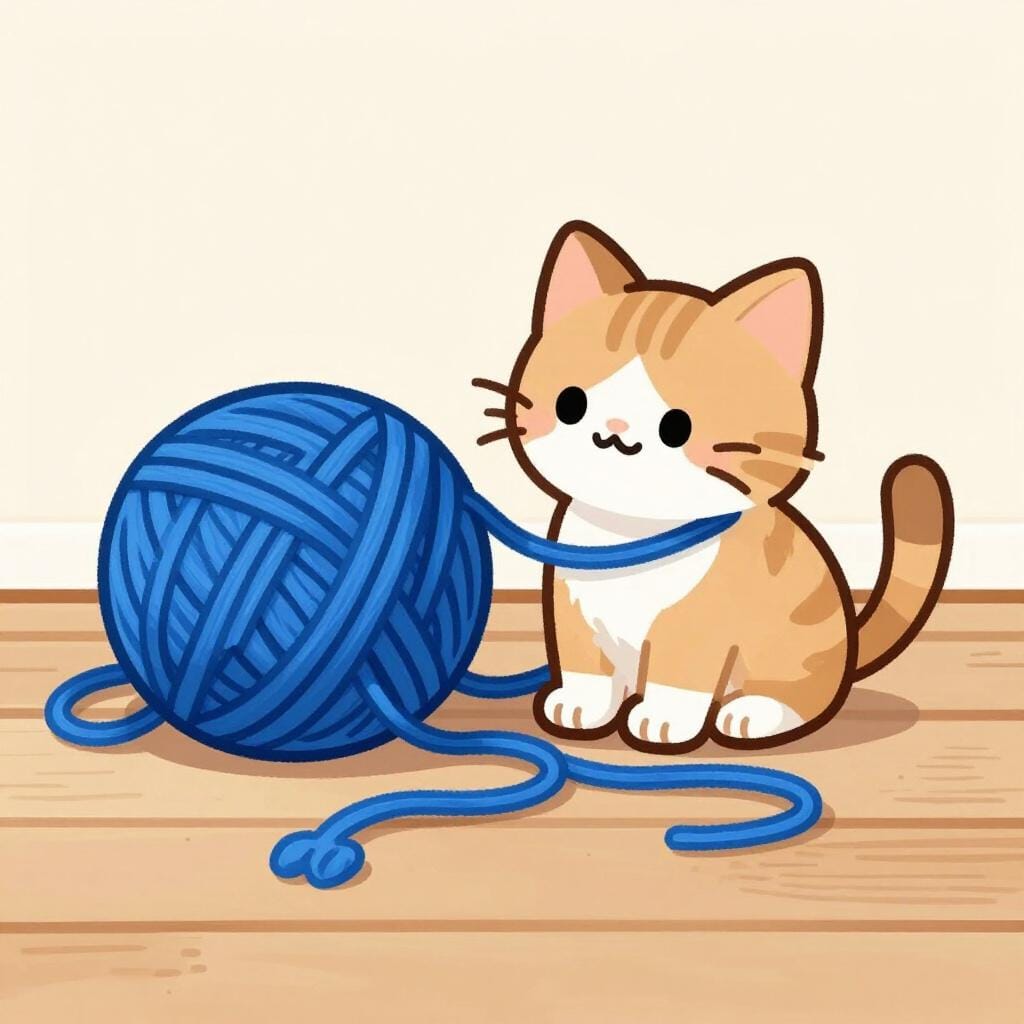
El gato hizo una travesura y tiró todos los vasos de la mesa.
The cat made some mischief and knocked all the glasses off the table.
El perro hizo una travesura y rompió mis zapatos.
The dog made some mischief and chewed up my shoes.
Los niños siempre están planeando alguna travesura.
The children are always planning some prank.
Fue solo una pequeña travesura, no te enfades.
It was just a little prank, don't get angry.
Always 'Hacer'
In Spanish, you don't 'play' a prank or 'perform' mischief. You always use the verb 'hacer' (to do/make) with 'travesura'.
Feminine Noun
This word is feminine because it ends in '-a'. Always use 'la' or 'una' before it.
Travesura vs. Maldad
Mistake: “Ese niño tiene mucha maldad.”
Correction: Ese niño hace muchas travesuras.
maldad
mal-DADmalˈðað

Examples
Los hermanos se gastaban bromas pesadas, llenas de maldades.
The brothers played heavy pranks on each other, full of mischief.
De niño, siempre estaba haciendo maldades a sus hermanas.
As a child, he was always playing naughty tricks on his sisters (doing wicked acts to his sisters).
Fue una maldad decirle eso, sabiendo que era sensible.
It was a mean thing to say to him, knowing he was sensitive.
Using the Plural
When referring to specific actions or tricks, 'maldad' is commonly used in its plural form, 'maldades'.
Mischief: Travesura vs. Maldad
Related Translations
Learn Spanish with Inklingo
Interactive stories, personalized learning, and more.