contraste
“contraste” means “contrast” in Spanish. It has 2 different meanings depending on context:
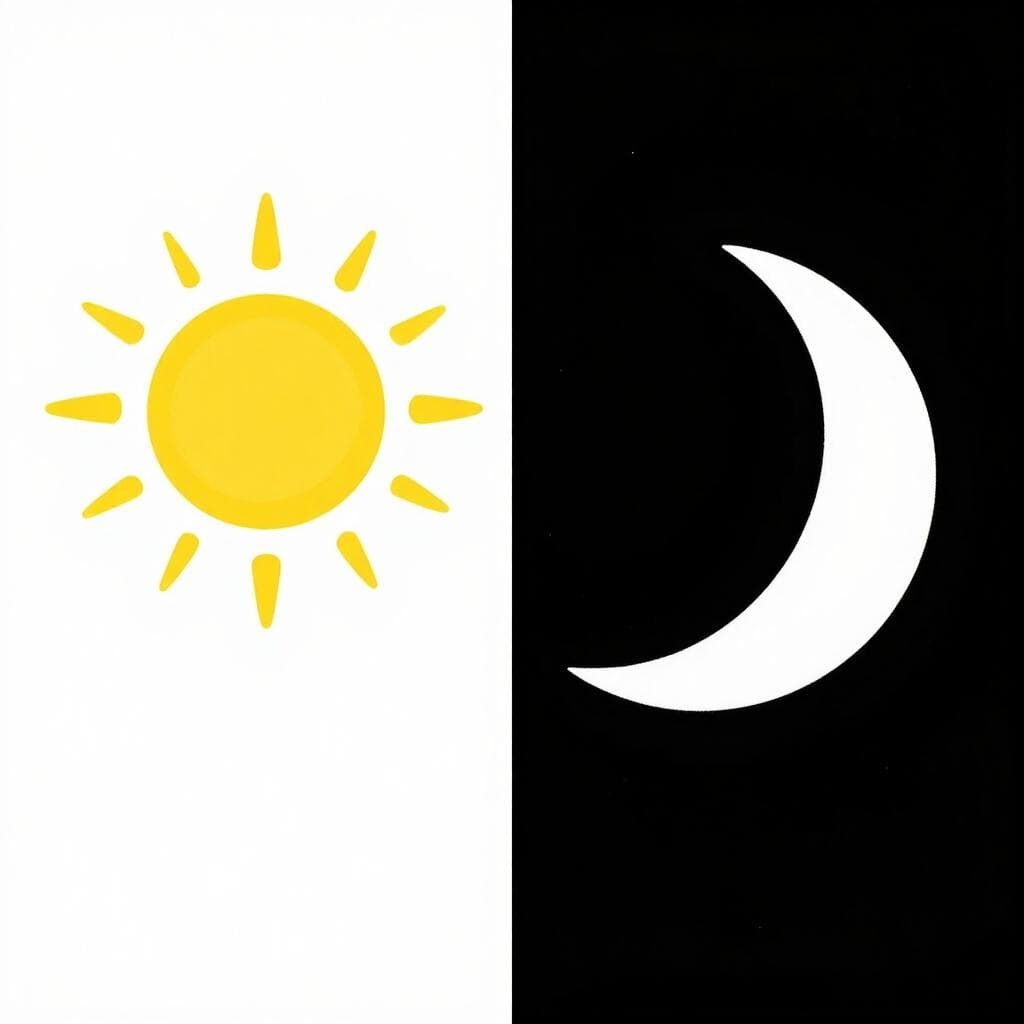

contrast
Also: difference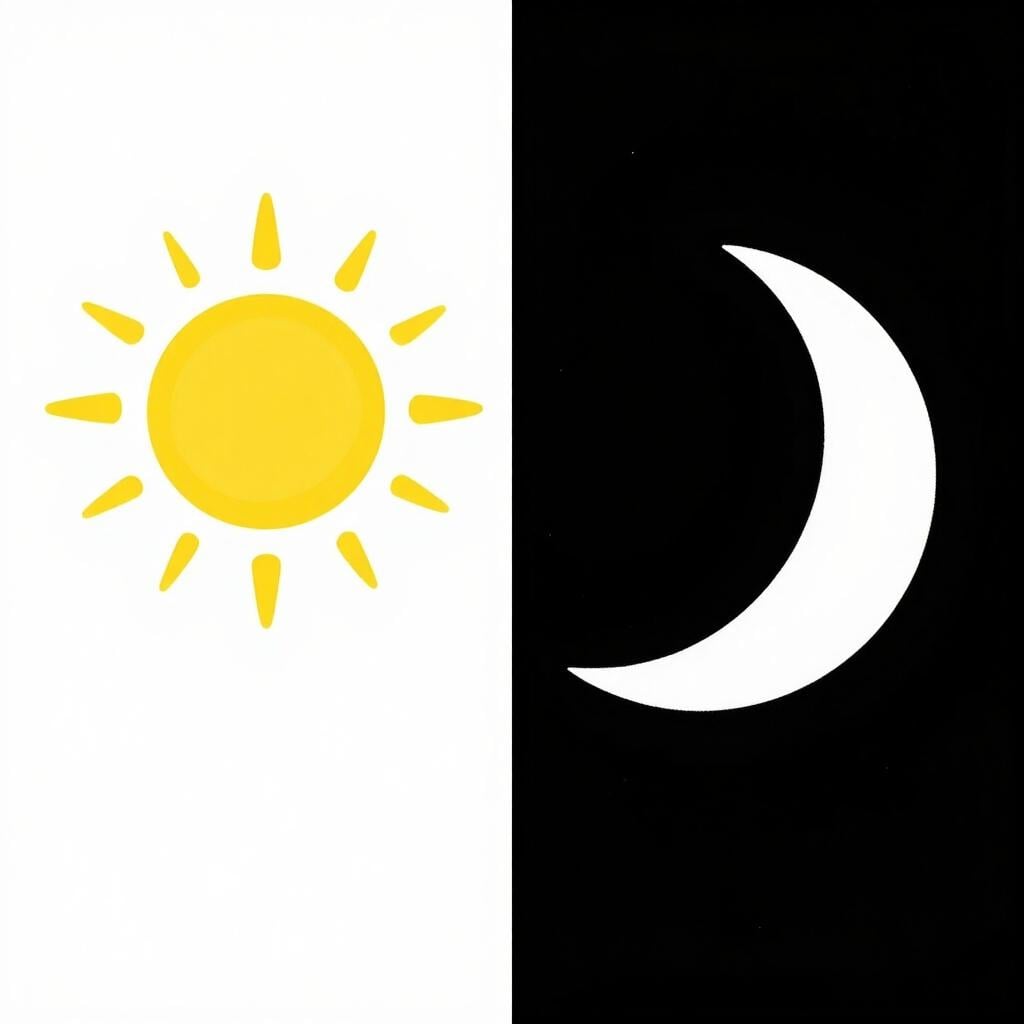
📝 In Action
Me gusta el contraste de colores en tu pintura.
A2I like the contrast of colors in your painting.
Hay un gran contraste entre la vida en el campo y la ciudad.
B1There is a big contrast between life in the countryside and the city.
En contraste con su hermano, él es muy tímido.
B1In contrast to his brother, he is very shy.
hallmark
Also: assay
📝 In Action
Este anillo de oro tiene el contraste oficial.
C1This gold ring has the official hallmark.
El joyero revisó el contraste para verificar que fuera plata pura.
C1The jeweler checked the hallmark to verify it was pure silver.
Sin un contraste claro, no podemos vender la pieza como auténtica.
C2Without a clear hallmark, we cannot sell the piece as authentic.
Translate to Spanish
✏️ Quick Practice
Quick Quiz: contraste
Question 1 of 3
Which sentence correctly uses 'contraste' to mean a difference?
📚 More Resources
👥 Word Family▼
🎵 Rhymes▼
📚 Etymology▼
From the Italian word 'contrasto,' which comes from the Latin 'contra' (against) and 'stare' (to stand). It literally describes two things standing against each other for comparison.
First recorded: 16th century
Cognates (Related words)
💡 Master Spanish
Take your Spanish to the next level. Read 200+ illustrated and narrated Spanish stories tailored to your level with the Inklingo app!
Frequently Asked Questions
Is 'contraste' a verb?
No, 'contraste' is a noun (the contrast). However, 'contraste' can be a form of the verb 'contrastar' in certain special sentence types (like commands or wishes), but as a stand-alone word, it is usually a noun.
What is the difference between 'diferencia' and 'contraste'?
While they are similar, 'contraste' usually implies a very striking or obvious difference, often visual, like black vs. white or hot vs. cold.
How do I say 'to contrast'?
To express the action, use the verb 'contrastar'.