How to Say "contrast" in Spanish
The most common Spanish word for “contrast” is “contraste” — use 'contraste' when referring to a noticeable difference, often in appearance, style, or ideas, that makes things stand out.
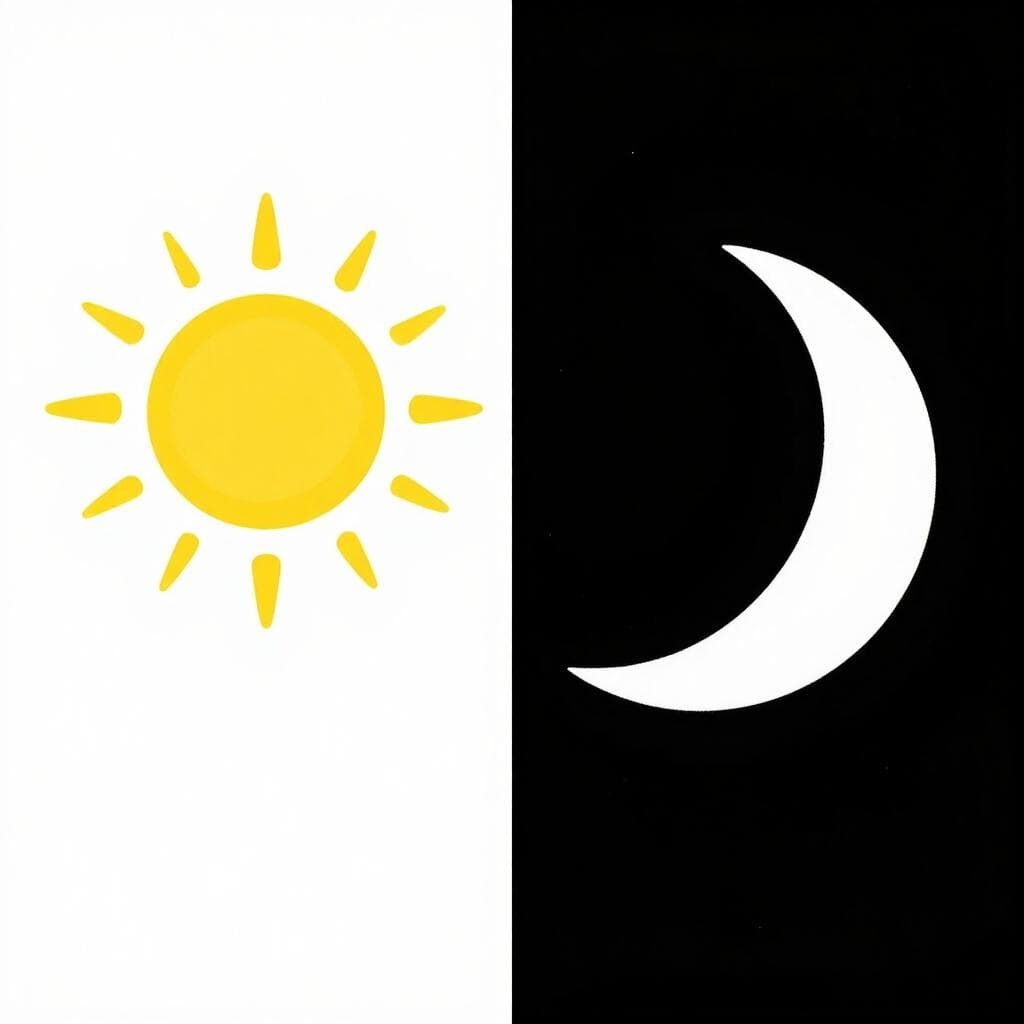
contraste
kon-TRAHS-tehkonˈtɾaste
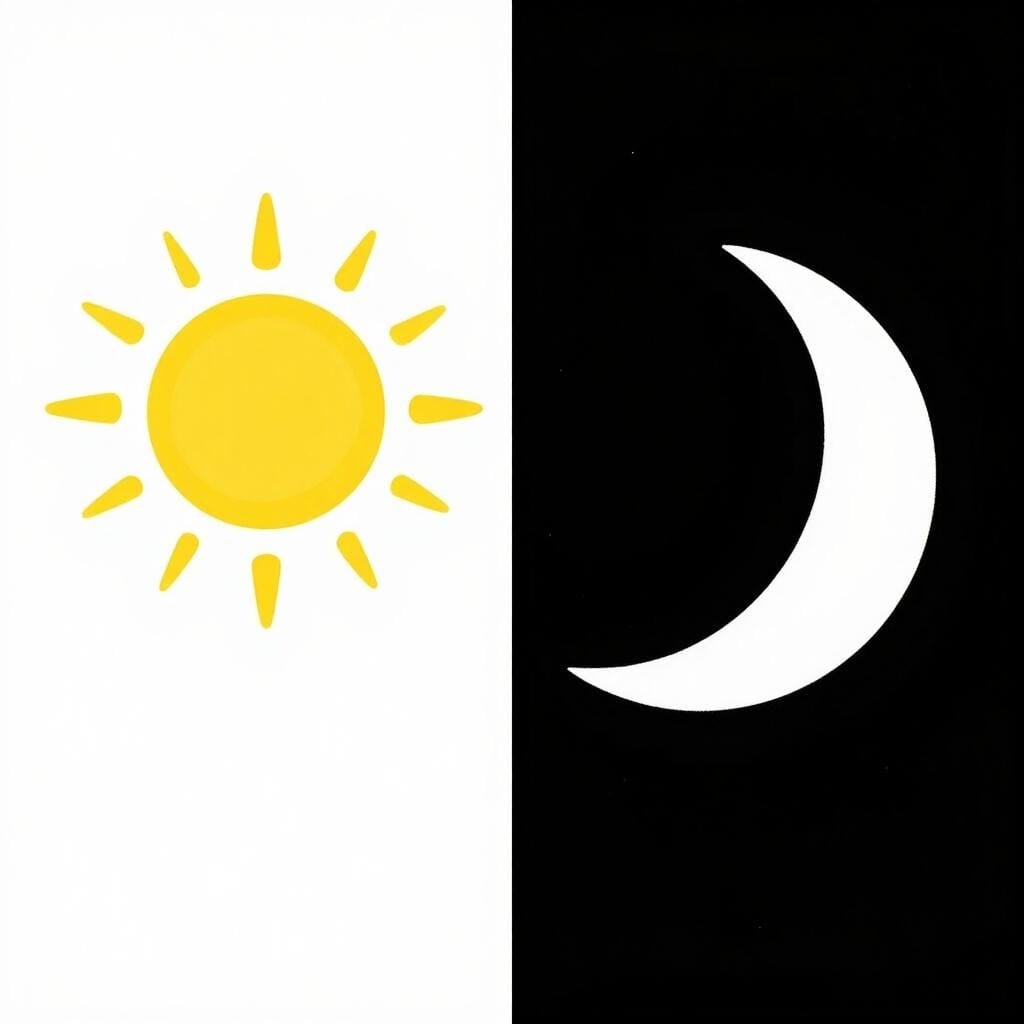
Examples
Me gusta el contraste de colores en tu pintura.
I like the contrast of colors in your painting.
Hay un gran contraste entre la vida en el campo y la ciudad.
There is a big contrast between life in the countryside and the city.
En contraste con su hermano, él es muy tímido.
In contrast to his brother, he is very shy.
Using the right connector
To compare two things, use 'contraste entre' (contrast between) or 'en contraste con' (in contrast with).
Always Masculine
The word is always 'el contraste'. It doesn't change if you are talking about feminine things.
Wrong Preposition
Mistake: “en contraste de”
Correction: en contraste con
oposición
Examples
Hay mucha oposición al nuevo proyecto de ley.
There is a lot of opposition to the new bill.
Contraste vs. Oposición
Related Translations
Learn Spanish with Inklingo
Interactive stories, personalized learning, and more.