creado
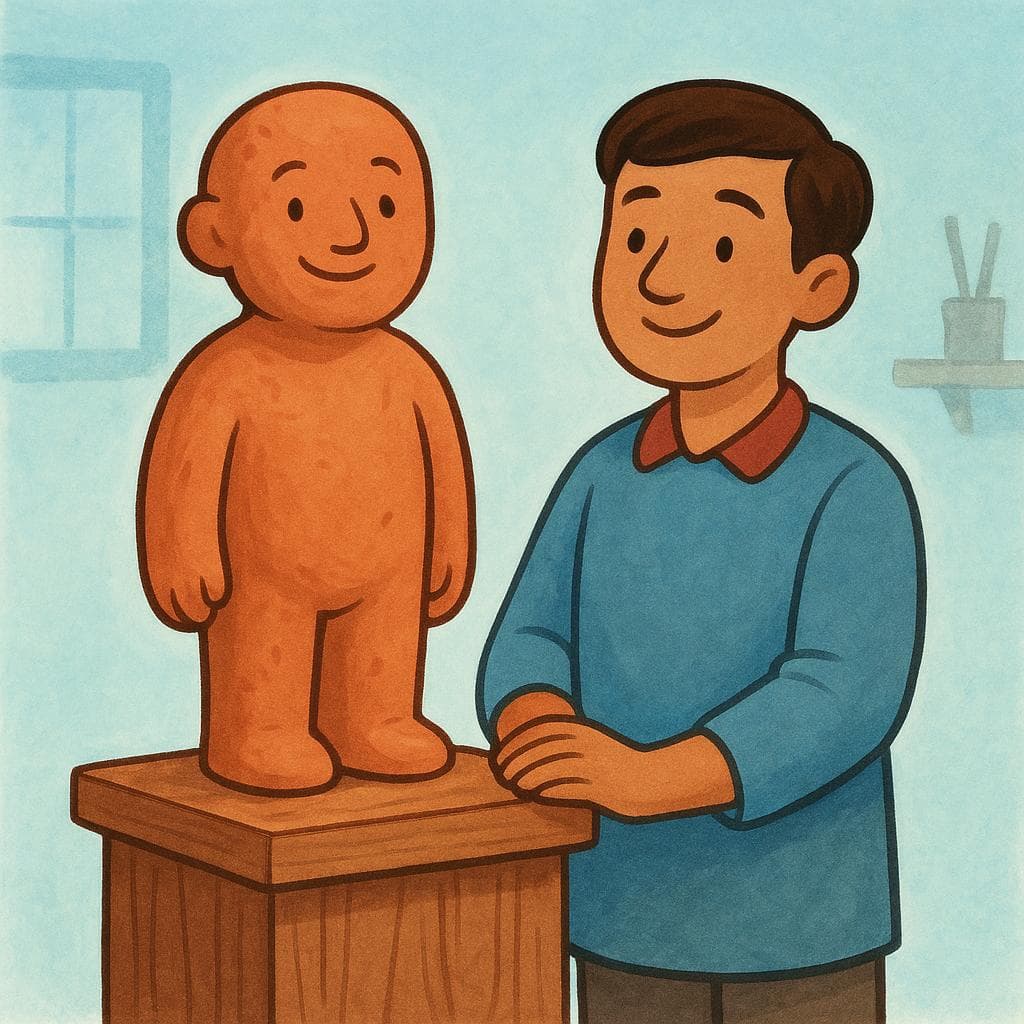
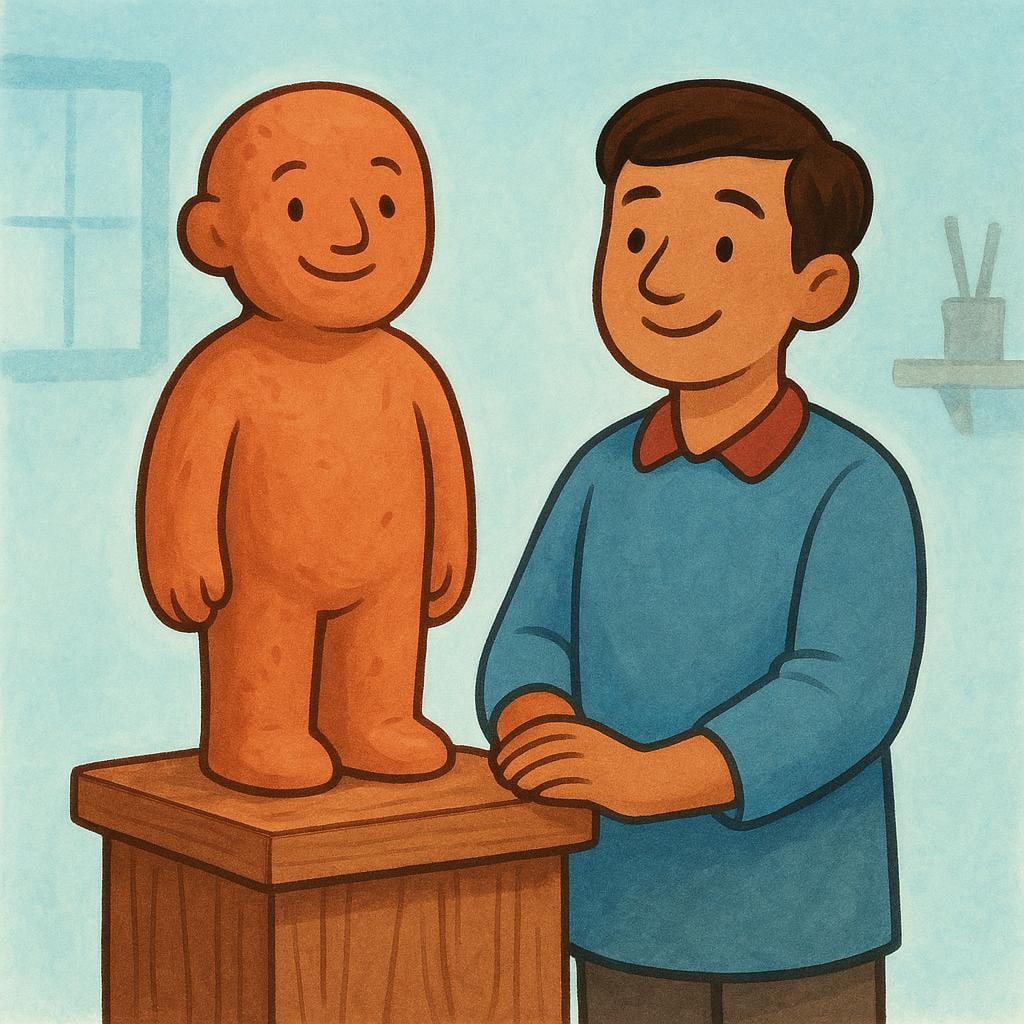
“creado” means “created” in Spanish. It has 2 different meanings depending on context:

📝 In Action
Hemos creado un nuevo sistema de archivos.
A2We have created a new filing system.
Ella había creado una obra de arte maravillosa.
B1She had created a marvelous work of art.
El universo fue creado hace miles de millones de años.
B2The universe was created billions of years ago.
Word Connections
createdAlso: invented, made

📝 In Action
Es un producto creado para niños.
A2It is a product created for children.
Las nuevas reglas creadas por el comité son muy estrictas.
B1The new rules created by the committee are very strict.
La figura femenina creada en su pintura es impresionante.
B2The female figure created in his painting is impressive.
Word Connections
✏️ Quick Practice
Quick Quiz: creado
Question 1 of 2
Which sentence correctly uses 'creado' as an adjective, matching the noun 'una máquina' (a machine)?
📚 More Resources
📚 Etymology
Comes from the Latin word *creātus*, which was the past action form of the verb *creāre*, meaning 'to bring forth' or 'to produce.'
First recorded: 13th century (in Spanish)
Cognates (Related words)
💡 Master Spanish
Take your Spanish to the next level. Read 200+ illustrated and narrated Spanish stories tailored to your level with the Inklingo app!
Frequently Asked Questions
When does 'creado' change its ending (-o, -a, -os, -as) and when does it stay 'creado'?
It changes its ending when it acts like a normal adjective (e.g., 'la regla creada'). It *always* stays 'creado' when it is used with the verb 'haber' to form perfect tenses (e.g., 'Ellos han creado', never 'Ellos han creados').