creerte
“creerte” means “to believe you” in Spanish. It has 2 different meanings depending on context:


to believe you
Also: to trust you
📝 In Action
Me cuesta mucho creerte después de esa mentira.
A2It's hard for me to believe you after that lie.
Quiero creerte, pero necesito pruebas.
A2I want to believe you, but I need proof.
to think you are
Also: to believe yourself to be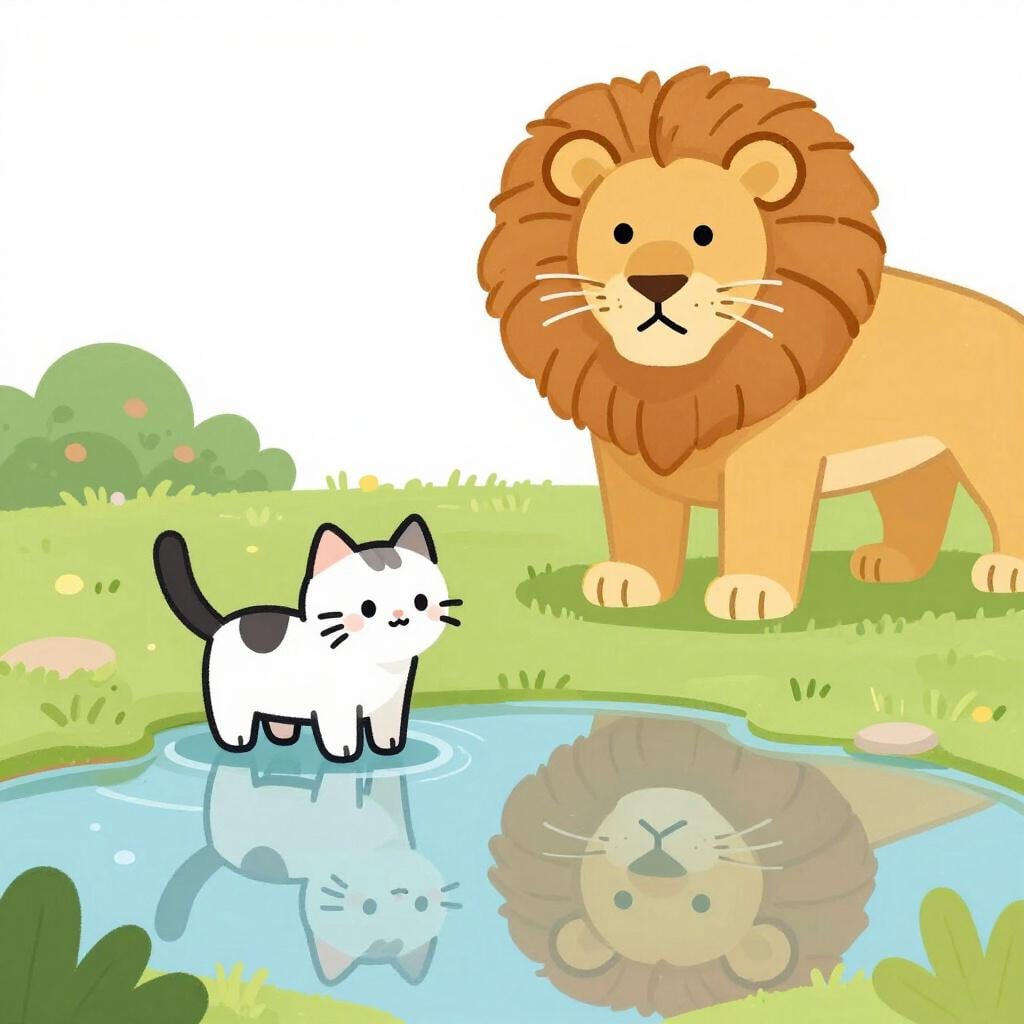
📝 In Action
No puedes creerte el mejor siempre.
B1You can't always think you're the best.
Suele creerte muy listo, ¿verdad?
B1You tend to think you're very smart, don't you?
🔄 Conjugations
subjunctive
imperfect
present
indicative
preterite
imperfect
present
✏️ Quick Practice
Quick Quiz: creerte
Question 1 of 2
How do you say 'I want to believe you' in Spanish?
📚 More Resources
📚 Etymology▼
From the verb 'creer' (Latin 'credere', meaning to trust/entrust) combined with the pronoun 'te' (Latin 'te', you).
First recorded: The combination has existed as long as Spanish grammar allowed pronoun attachment (Middle Ages).
Cognates (Related words)
💡 Master Spanish
Take your Spanish to the next level. Read 200+ illustrated and narrated Spanish stories tailored to your level with the Inklingo app!
Frequently Asked Questions
Is 'creerte' one word or two?
It is technically a verb (creer) and a pronoun (te) written as one word. This happens when the verb is in its basic 'to' form.
Can I say 'te creer' instead of 'creerte'?
No. In Spanish, if the verb is in its 'to' form, the pronoun must go at the end (creerte) or before a helper verb (te quiero creer).