debí
“debí” means “I had to” in Spanish. It has 2 different meanings depending on context:
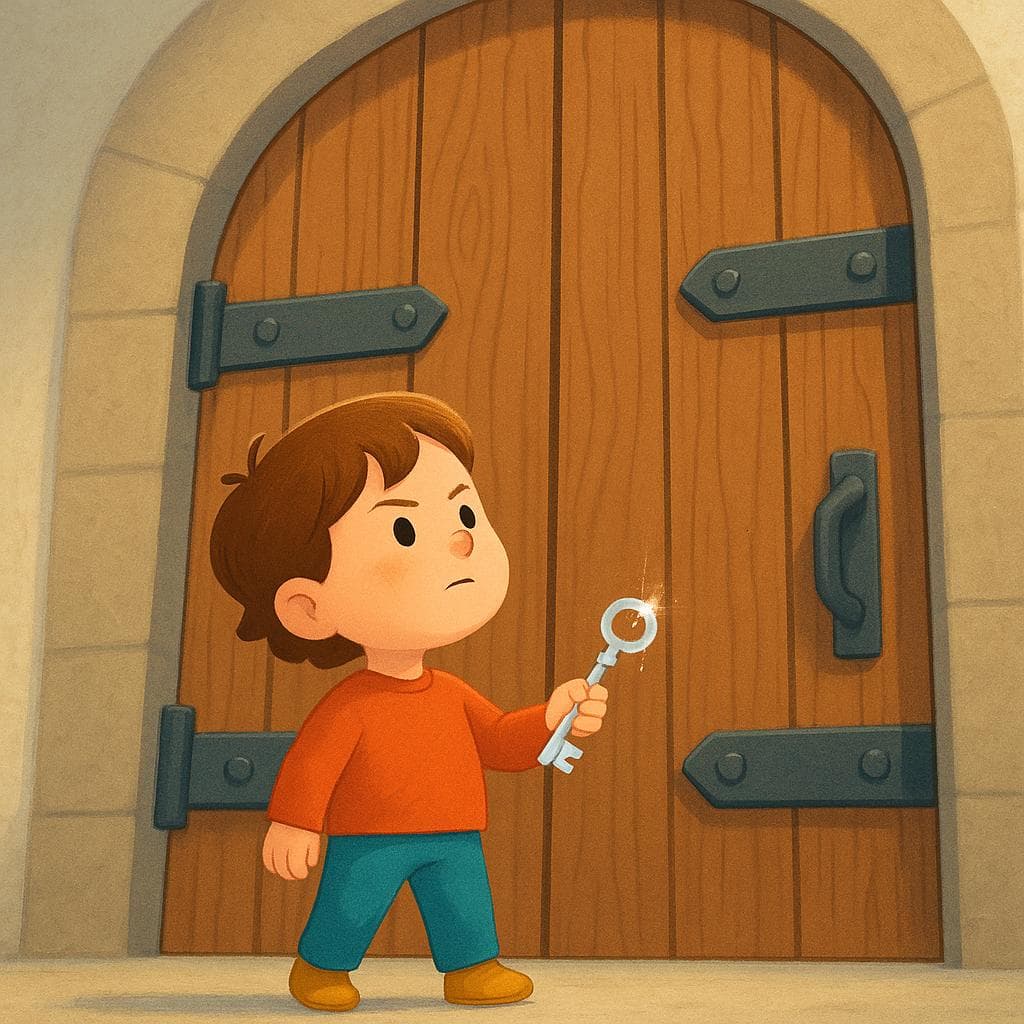
I had to, I should haveAlso: I was supposed to
📝 In Action
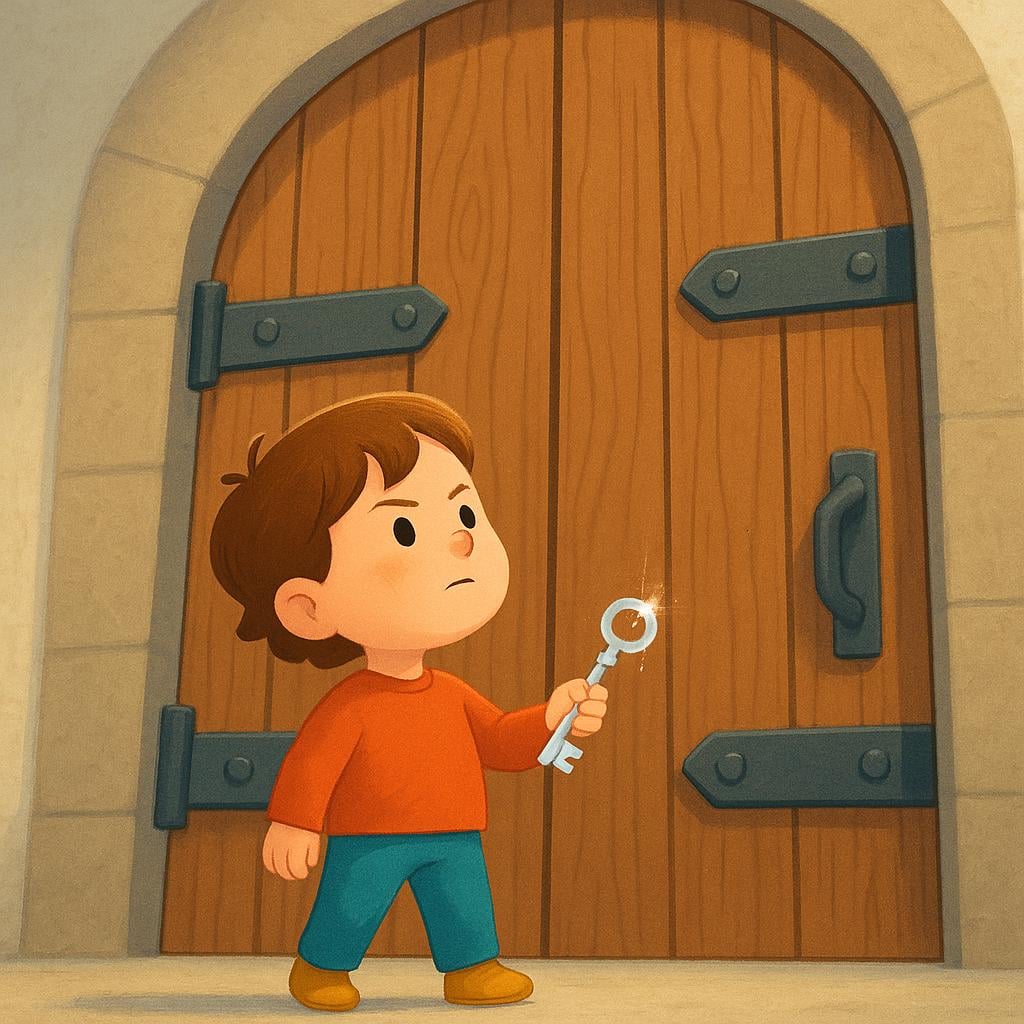
Debí ir al médico ayer, pero no lo hice.
A2I had to go to the doctor yesterday, but I didn't do it.
¡Debí escuchar tu consejo!
B1I should have listened to your advice!
Cuando me llamaste, debí contestar inmediatamente.
B1When you called me, I had to answer immediately.
Word Connections
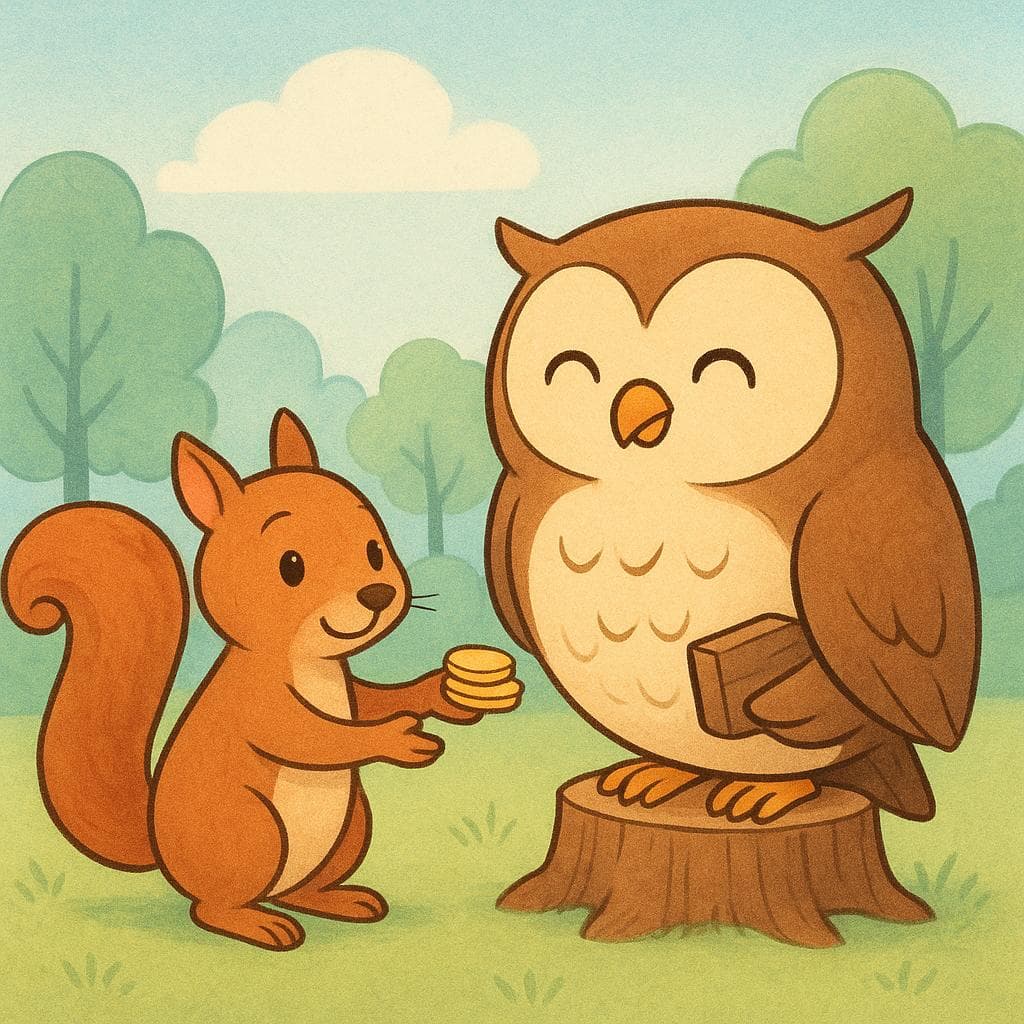
I owed, I was indebted to
📝 In Action
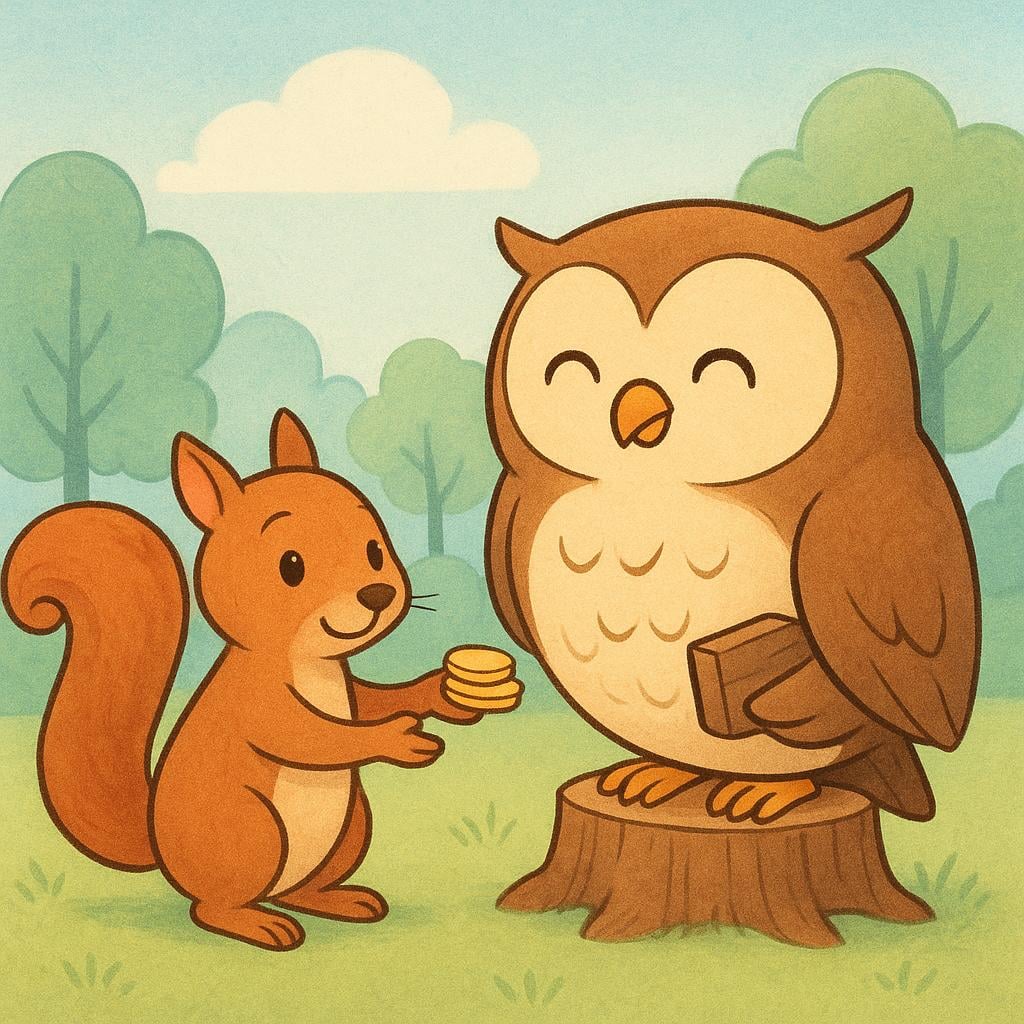
Le debí mucho dinero a mi hermano, pero ya se lo pagué.
A2I owed my brother a lot of money, but I already paid him.
Debí un favor al jefe por ayudarme con ese proyecto.
B1I owed the boss a favor for helping me with that project.
Word Connections
Indicative
Present
Imperfect
Preterite
Subjunctive
Present Subjunctive
Imperfect Subjunctive
Translate to Spanish
Words that translate to "debí" in Spanish:
✏️ Quick Practice
Quick Quiz: debí
Question 1 of 2
Which sentence expresses regret?
📚 More Resources
📚 Etymology
The verb 'deber' comes directly from the Latin word *dēbēre*, which meant 'to owe' or 'to hold oneself bound.' This connection explains why the Spanish word covers both financial obligations and moral necessity.
First recorded: Around the 10th century
Cognates (Related words)
💡 Master Spanish
Take your Spanish to the next level. Read 200+ illustrated and narrated Spanish stories tailored to your level with the Inklingo app!
Frequently Asked Questions
What is the difference between 'debí' and 'debería'?
'Debí' (I had to/I should have) is a firm statement about a past obligation or a specific past regret. 'Debería' (I should) is the conditional form, used for ongoing advice or recommendations in the present ('I should eat better') or a weaker future obligation ('I should call her later').