Inklingo

dejará

/de-kha-RAH/

will leave

A bright red backpack resting alone on a rustic wooden park bench, with the heels of a person walking away visible in the distance.

Dejará (will leave) describes the future action of leaving something behind, like this backpack on the bench.

dejará(Verb)

A2regular ar

will leave

?

future action of leaving something behind

,

will let

?

future action of allowing

Also:

will give up

?

future action of quitting a habit

📝 In Action

Ella dejará el paquete en la puerta mañana.

A2

She will leave the package at the door tomorrow.

Usted dejará de preocuparse cuando vea los resultados.

B1

You (formal) will stop worrying when you see the results.

Si no estudias, el profesor no te dejará pasar la clase.

B1

If you don't study, the professor won't let you pass the class.

Word Connections

Synonyms

  • abandonará (will abandon (a place))
  • permitirá (will permit (allow))

Antonyms

  • tomará (will take)
  • prohibirá (will forbid)

Common Collocations

  • dejará un mensajewill leave a message
  • dejará la puerta abiertawill leave the door open

Idioms & Expressions

  • dejará mucho que desearwill leave a lot to be desired (will be disappointing)

💡 Grammar Points

Future Tense Prediction

The 'future' tense in Spanish, like 'dejará,' is used for actions that will definitely happen later.

The 'él/ella/usted' Form

'Dejará' is the form used when the person doing the action is 'he,' 'she,' 'it,' or the formal 'you' (usted).

❌ Common Pitfalls

Mixing up Future and Conditional

Mistake: "Saying *dejaría* when you mean 'will leave' (future)."

Correction: Use *dejará* for something that definitely will happen. *Dejaría* means 'would leave' (something uncertain or hypothetical).

⭐ Usage Tips

The Stress Mark

The accent mark over the 'a' (dejará) is crucial! It tells you the stress is on the last syllable, which is typical for the future tense in Spanish.

A friendly, smiling bear is holding open a small wooden gate, allowing a tiny rabbit to hop through into a green meadow.

Dejará (will allow) means to permit or grant access, visually represented by the bear allowing the rabbit to pass.

dejará(Verb)

B1regular ar

will allow

?

to permit someone to do something

,

will let

?

to permit

Also:

will enable

?

to make something possible

📝 In Action

Mi madre no me dejará ir a la fiesta si no termino mis tareas.

B1

My mother won't let me go to the party if I don't finish my chores.

La nueva ley dejará a los ciudadanos votar a los 16 años.

B2

The new law will allow citizens to vote at 16 years old.

Word Connections

Common Collocations

  • dejará entrarwill let in
  • dejará salirwill let out

💡 Grammar Points

Allowing an Action

When 'dejará' means 'will allow,' it is usually followed directly by the action verb in its base form (infinitive): dejará [hacer] (will allow [to do]).

❌ Common Pitfalls

Using 'permitir' unnecessarily

Mistake: "Using the longer verb *permitirá* when *dejará* works perfectly fine and is more common in spoken Spanish."

Correction: For simple permission, stick with *dejará*.

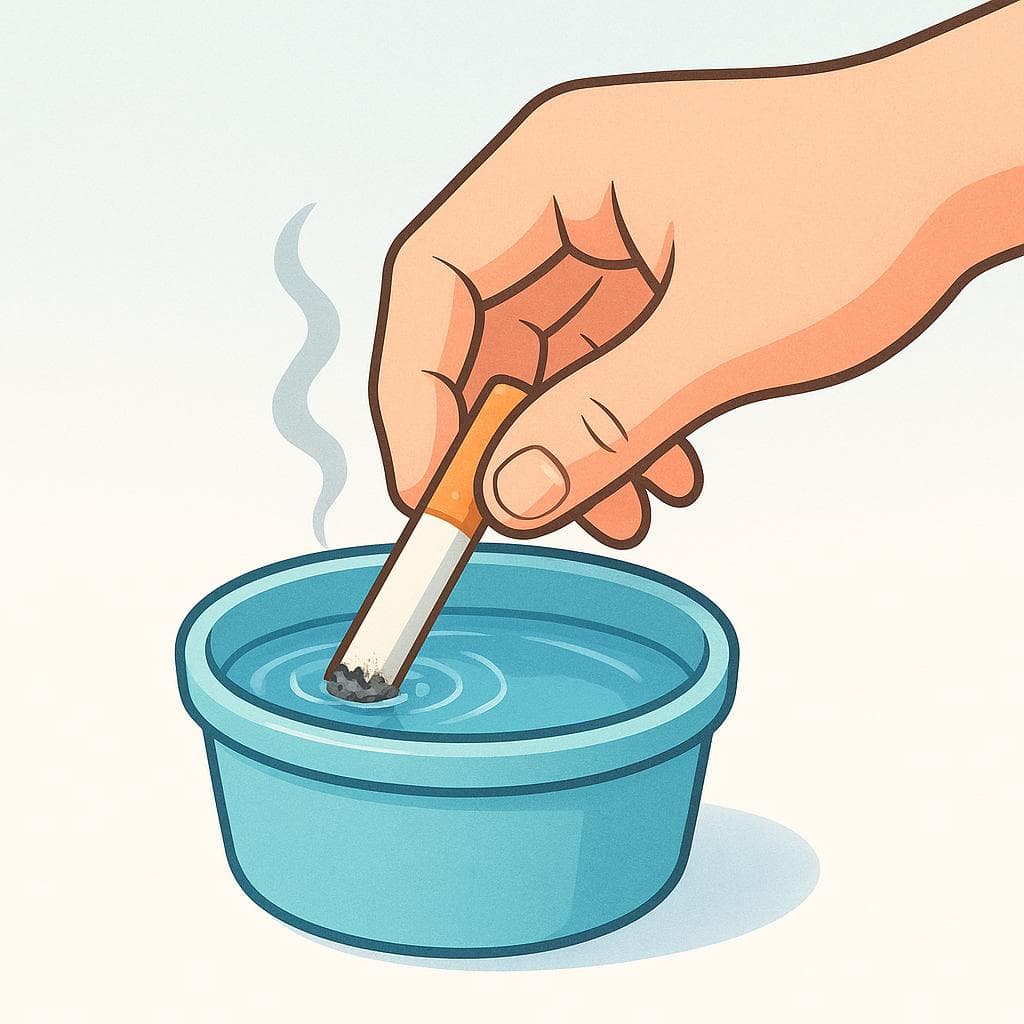
A person's hand is firmly dropping a lit cigarette into a small bucket of water, signifying the act of stopping a habit.

Dejará (will quit) refers to stopping a habit or activity, like extinguishing a cigarette to quit smoking.

dejará(Verb)

B1regular ar

will quit

?

to stop a habit

,

will stop

?

to cease an activity

Also:

will give up

?

to renounce something

📝 In Action

El doctor le dijo que dejará de beber café.

B1

The doctor told him that he will quit drinking coffee.

La empresa dejará de producir ese modelo el próximo año.

B2

The company will stop producing that model next year.

Word Connections

Synonyms

  • cesará (will cease)
  • parará (will stop)

Common Collocations

  • dejará de funcionarwill stop working
  • dejará de existirwill cease to exist

💡 Grammar Points

Stopping an Action (Dejar de + Infinitive)

When 'dejará' means 'will stop' or 'will quit,' it must be followed by the word de and then the action verb in its base form (infinitive): dejará de [comer] (will stop [eating]).

❌ Common Pitfalls

Missing the 'de'

Mistake: "Saying *dejará fumar* (He will quit smoke)."

Correction: Always include *de*: *dejará de fumar* (He will quit smoking).

🔄 Conjugations

indicative

present

él/ella/usteddeja
yodejo
dejas
ellos/ellas/ustedesdejan
nosotrosdejamos
vosotrosdejáis

imperfect

él/ella/usteddejaba
yodejaba
dejabas
ellos/ellas/ustedesdejaban
nosotrosdejábamos
vosotrosdejabais

preterite

él/ella/usteddejó
yodejé
dejaste
ellos/ellas/ustedesdejaron
nosotrosdejamos
vosotrosdejasteis

subjunctive

present

él/ella/usteddeje
yodeje
dejes
ellos/ellas/ustedesdejen
nosotrosdejemos
vosotrosdejéis

imperfect

él/ella/usteddejara/dejase
yodejara/dejase
dejaras/dejases
ellos/ellas/ustedesdejaran/dejasen
nosotrosdejáramos/dejásemos
vosotrosdejarais/dejaseis

✏️ Quick Practice

💡 Quick Quiz: dejará

Question 1 of 2

Which meaning of 'dejará' is being used here: 'El clima no dejará salir a los niños hoy.'

📚 More Resources

Word Family

Frequently Asked Questions

Is 'dejará' pronounced differently than 'dejara'?

Yes, absolutely! 'Dejará' (future tense) has the stress on the last syllable, thanks to the accent mark (de-ja-RÁ). 'Dejara' (past subjunctive) has the stress on the middle syllable (de-JÁ-ra).

Does 'dejará' always refer to the future?

Generally, yes. It is the simple future tense. However, sometimes in very informal speech, Spanish speakers use the future tense to express probability in the present, like '¿Quién será?' (I wonder who that is / Who could that be?).