echas
“echas” means “you throw” in Spanish. It has 3 different meanings depending on context:
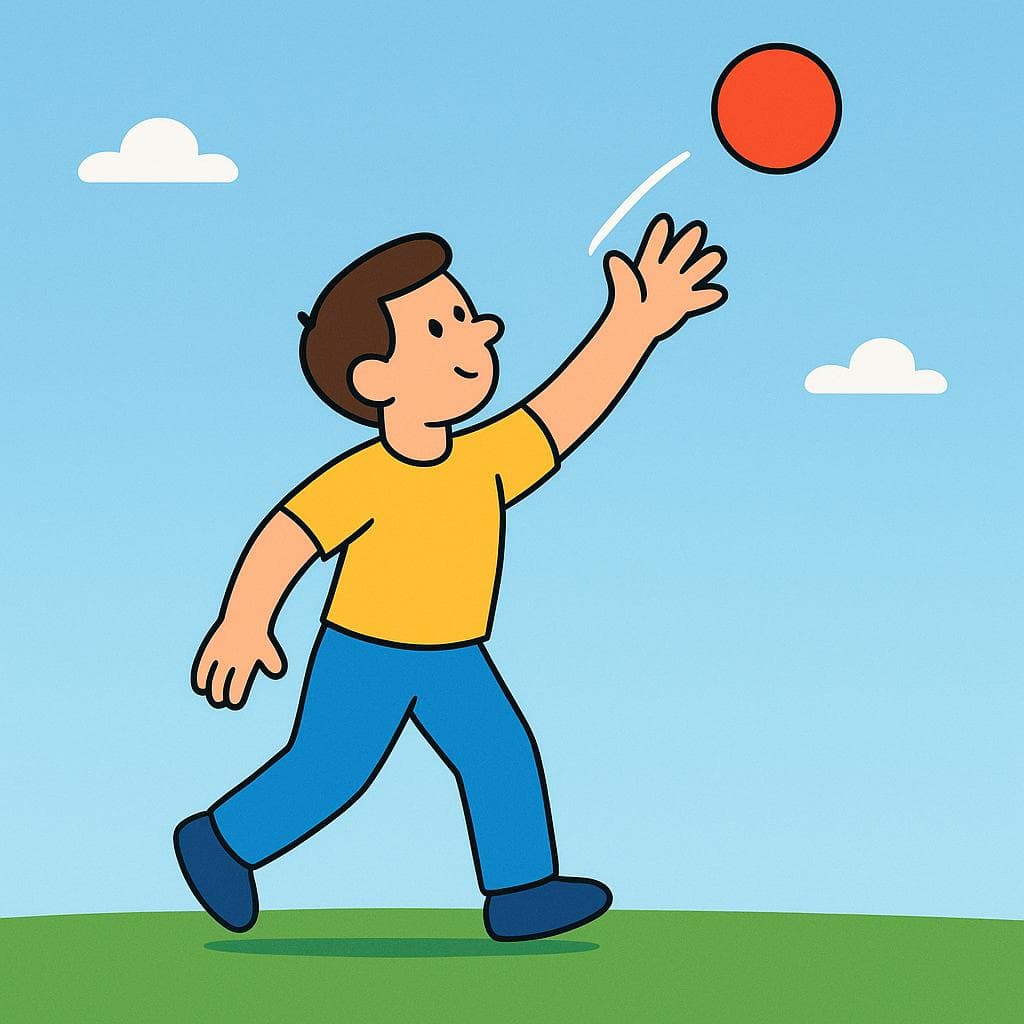

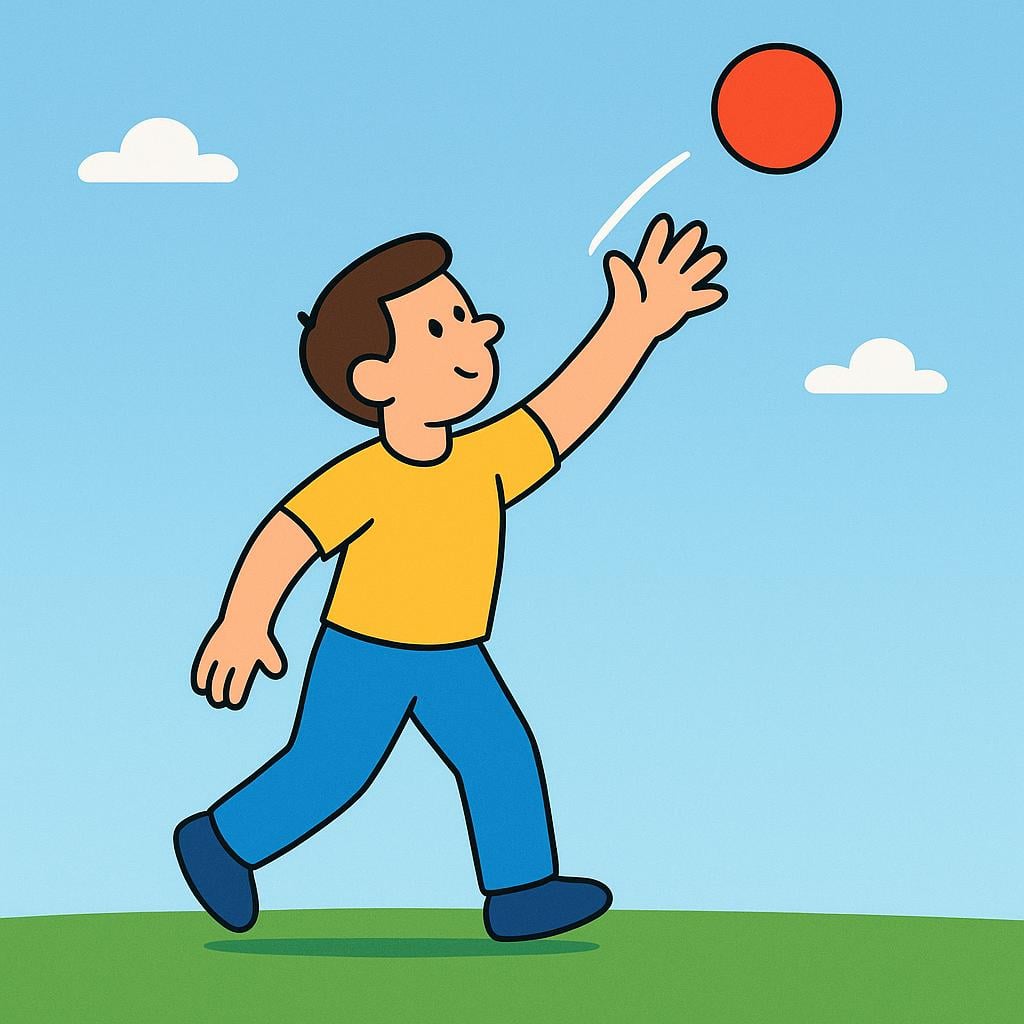
you throw, you castAlso: you toss
📝 In Action
¿Por qué echas la basura al suelo?
A1Why are you throwing the trash on the floor?
Tú echas una sombra muy grande cuando el sol está bajo.
A2You cast a very big shadow when the sun is low.
Word Connections
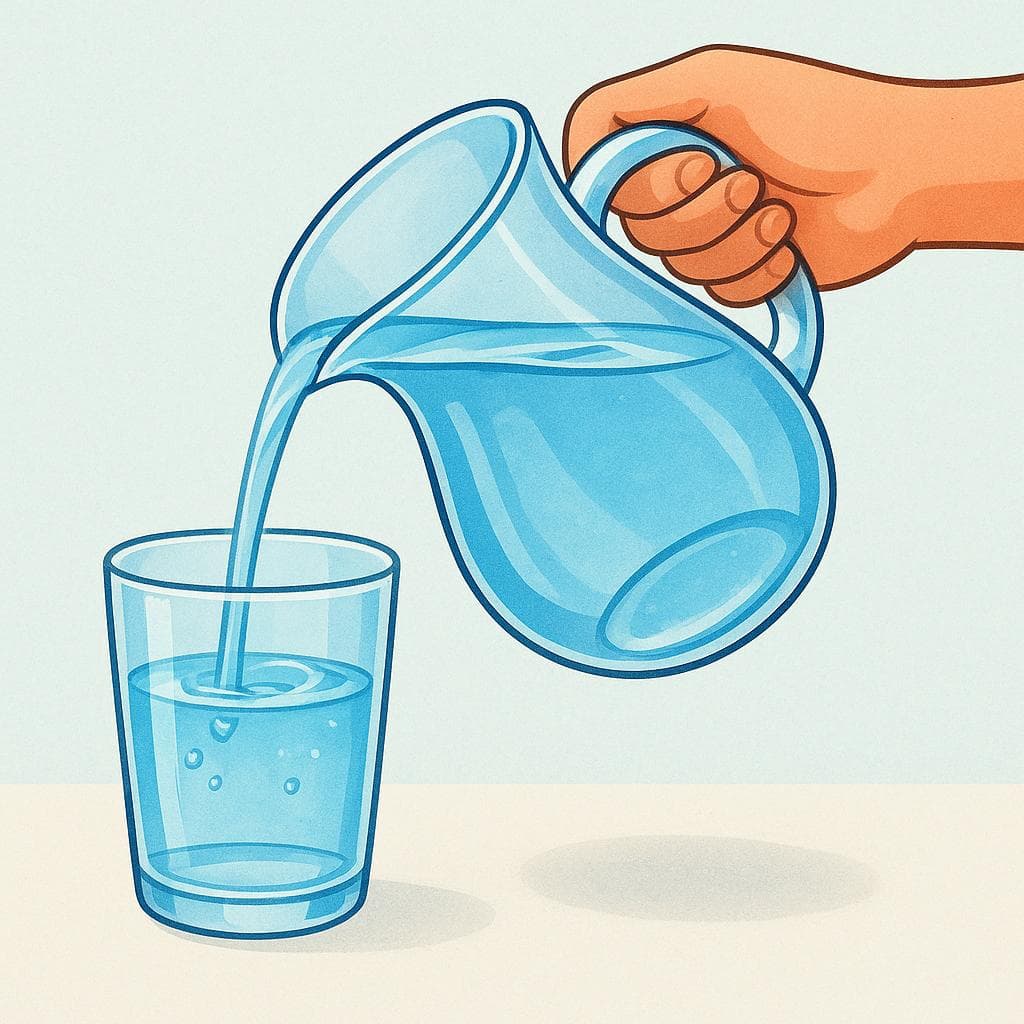
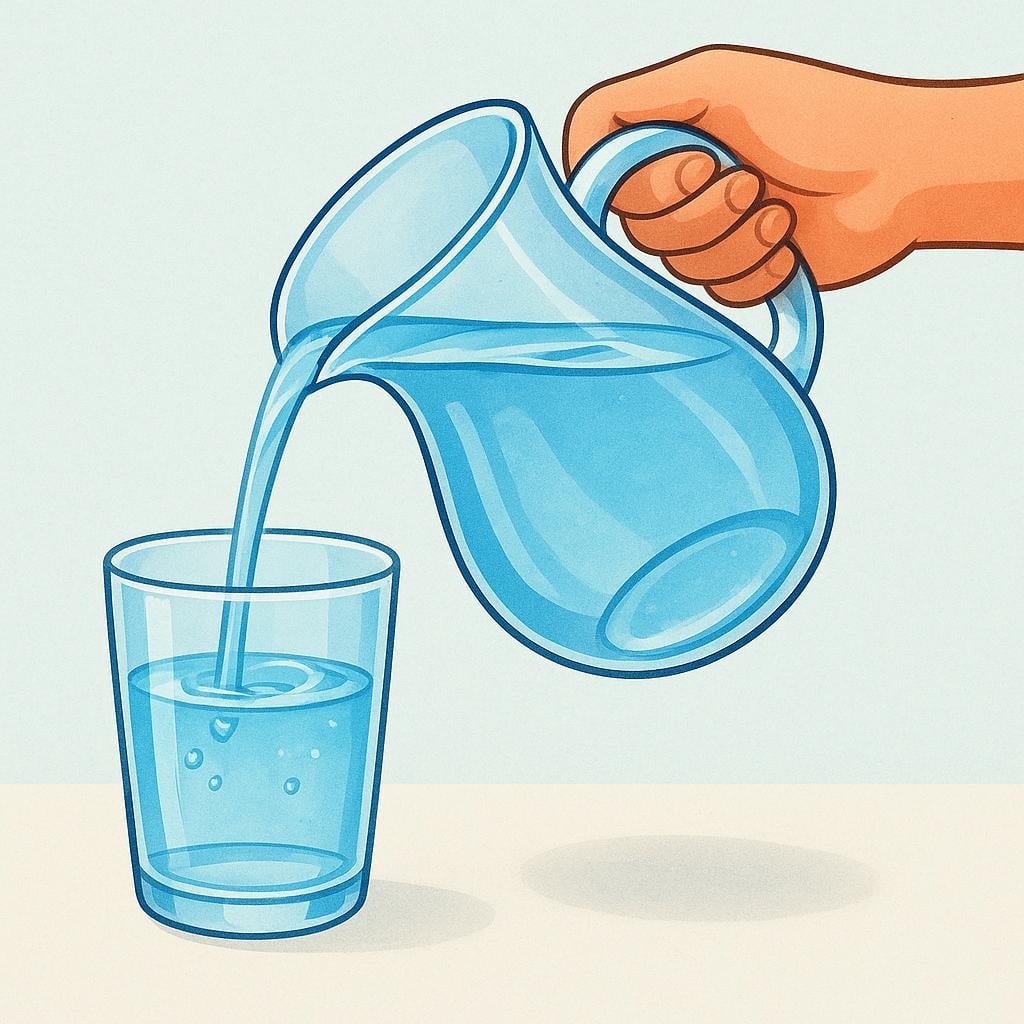
you pour, you addAlso: you put in
📝 In Action
¿Cuánta azúcar le echas al té?
A2How much sugar do you add to the tea?
Si echas más sal, la sopa estará incomible.
B1If you add more salt, the soup will be inedible.
Word Connections
you blame, you missAlso: you dismiss

📝 In Action
Siempre echas la culpa a tu hermano.
B1You always blame your brother (literally: you always throw the blame onto your brother).
Si te vas de viaje, ¿a quién echas de menos?
B2If you go on a trip, who do you miss?
Word Connections
Subjunctive
Imperfect Subjunctive
Present Subjunctive
Indicative
Imperfect
Present
Preterite
Translate to Spanish
✏️ Quick Practice
Quick Quiz: echas
Question 1 of 2
If your friend asks, '¿Cuánto tiempo echas en estudiar?' what is the best translation for 'echas' in this context?
📚 More Resources
👥 Word Family
🎵 Rhymes
📚 Etymology
The verb *echar* comes from the Vulgar Latin verb *iactare*, which meant 'to throw violently' or 'to toss.' Over time, the meaning softened and expanded in Spanish to include the idea of placing, adding, or sending out.
First recorded: Around the 10th or 11th century in early Spanish texts.
Cognates (Related words)
💡 Master Spanish
Take your Spanish to the next level. Read 200+ illustrated and narrated Spanish stories tailored to your level with the Inklingo app!
Frequently Asked Questions
What is the difference between 'echas' and 'hechas'?
This is a very common confusion! 'Echas' (without an 'h') comes from the verb *echar* (to throw, to put, to add). 'Hechas' (with an 'h') comes from the verb *hacer* (to do, to make), and is usually the feminine plural form of the past participle, meaning 'done' or 'made'.
Is 'echar' a difficult verb to master?
Yes, 'echar' is tricky because it has so many different meanings! The key is to learn the common phrases, like 'echar de menos' (to miss) and 'echar la culpa' (to blame), as single units rather than trying to translate 'echar' by itself every time.