echó
“echó” means “threw” in Spanish. It has 3 different meanings depending on context:

📝 In Action
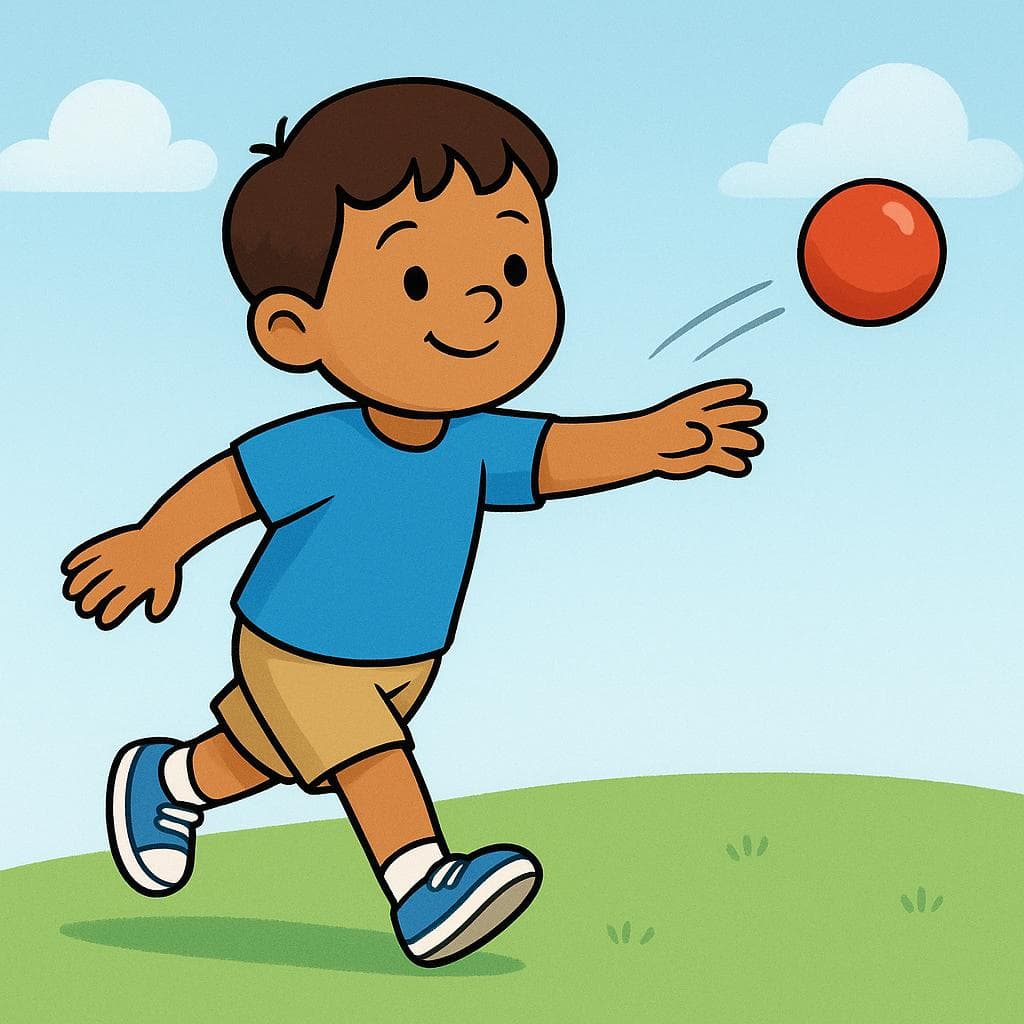
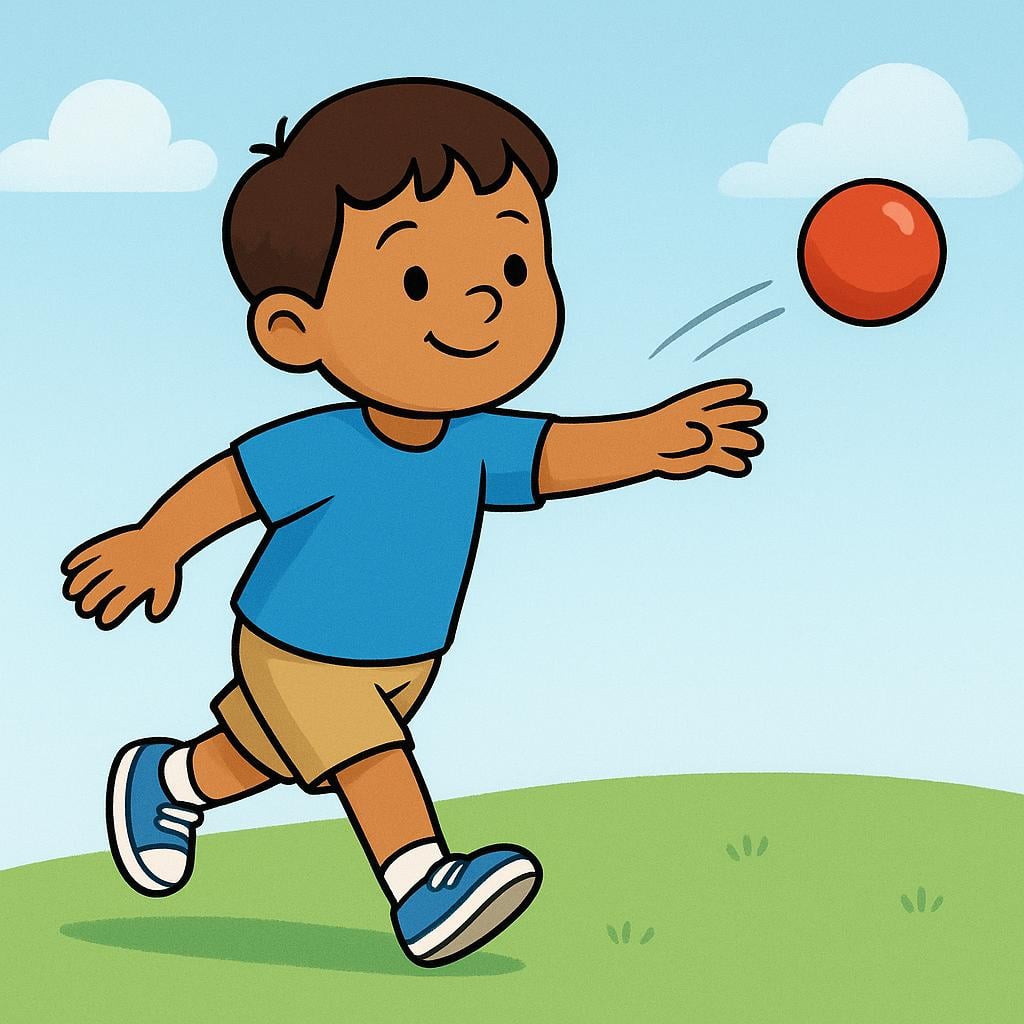
El niño echó la piedra al agua y vimos las ondas.
A2The boy threw the stone into the water and we saw the ripples.
Ella echó una mirada rápida a su reloj.
B1She cast a quick glance at her watch.
Word Connections

📝 In Action
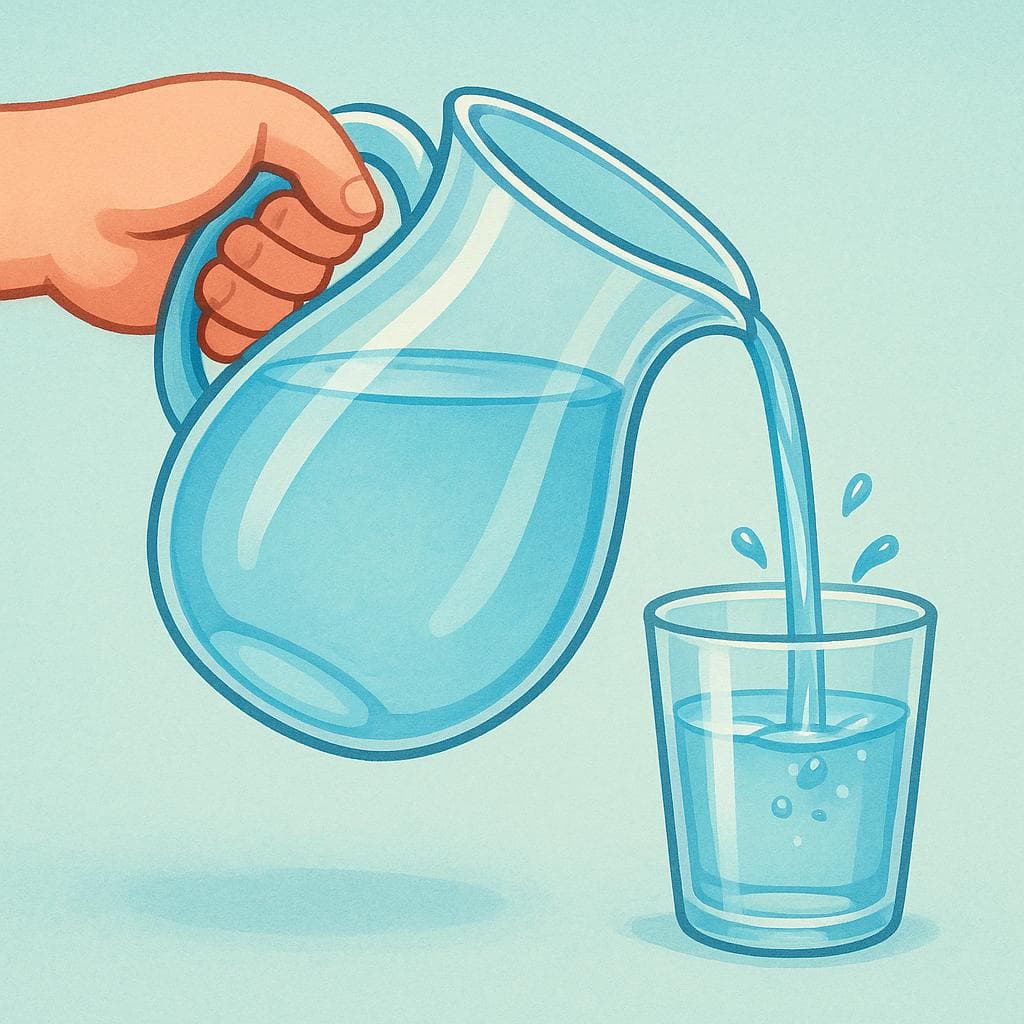
Antes de salir, la camarera echó más café en su taza.
B1Before leaving, the waitress poured more coffee into his cup.
Mi abuela echó demasiada azúcar al postre.
A2My grandmother added too much sugar to the dessert.
Word Connections

📝 In Action
El gerente lo echó del restaurante por causar problemas.
B2The manager kicked him out of the restaurant for causing problems.
La empresa lo echó después de que descubrieron su fraude.
B2The company fired him after they discovered his fraud.
Word Connections
Translate to Spanish
Words that translate to "echó" in Spanish:
✏️ Quick Practice
Quick Quiz: echó
Question 1 of 2
Which English translation best fits the sentence: 'El viento echó la puerta abajo.'
📚 More Resources
👥 Word Family
📚 Etymology
The verb 'echar' comes from the Old Spanish word 'echar,' which itself possibly originated from a Vulgar Latin root *iactiare, meaning 'to throw repeatedly' (related to the classical Latin *iacere, 'to throw'). It has always been associated with the action of sending something out or placing it somewhere.
First recorded: Around the 10th century (as 'echar')
Cognates (Related words)
💡 Master Spanish
Take your Spanish to the next level. Read 200+ illustrated and narrated Spanish stories tailored to your level with the Inklingo app!
Frequently Asked Questions
Is 'echar' irregular?
No, 'echar' is a regular verb in the indicative tenses (like the past tense 'echó'). It follows the standard pattern for verbs that end in -ar. You just need to remember its many different meanings!
What is the difference between 'echó' and 'tiró'?
Both mean 'threw.' 'Echó' (from 'echar') often suggests placing, tossing, or casting (like a net or a glance), or pouring a liquid. 'Tiró' (from 'tirar') is more commonly used for throwing away (trash) or shooting a gun.