embarazo
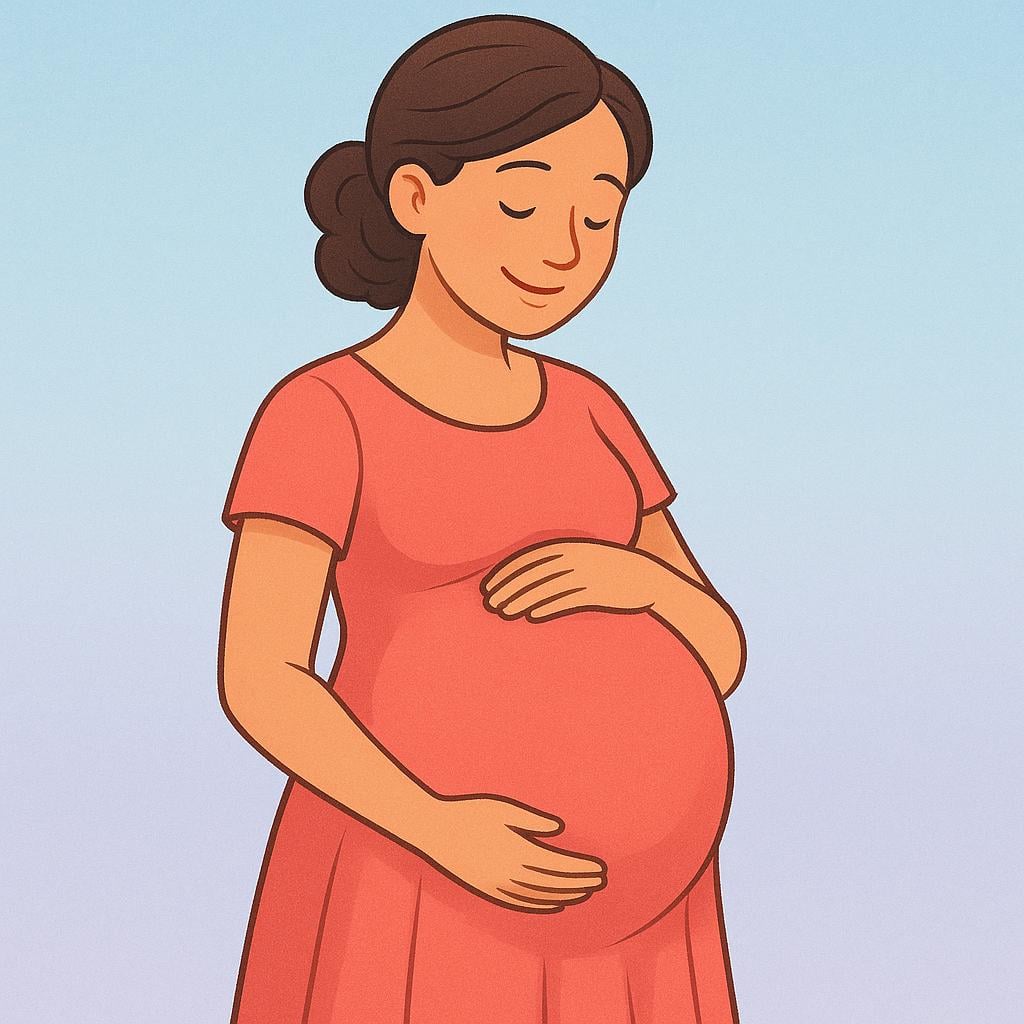
“embarazo” means “pregnancy” in Spanish (the state of carrying a baby).
pregnancy
📝 In Action
El médico confirmó que mi hermana tiene un embarazo de alto riesgo.
B1The doctor confirmed that my sister has a high-risk pregnancy.
El anuncio de su embarazo fue una gran sorpresa para todos.
A2The announcement of her pregnancy was a big surprise for everyone.
¿Cuántos meses de embarazo tienes?
B1How many months pregnant are you? (How many months of pregnancy do you have?)
Translate to Spanish
Words that translate to "embarazo" in Spanish:
pregnancy→✏️ Quick Practice
Quick Quiz: embarazo
Question 1 of 1
Which Spanish word should you use if you want to say 'I felt a lot of embarrassment'?
📚 More Resources
👥 Word Family▼
📚 Etymology▼
The word comes from the verb 'embarazar,' which historically meant 'to obstruct,' 'to hinder,' or 'to block.' This original meaning is related to the physical difficulty or restriction of movement experienced during pregnancy. This history is why it sounds like the English word 'embarrassment,' but their meanings diverged long ago.
First recorded: 15th century
Cognates (Related words)
💡 Master Spanish
Take your Spanish to the next level. Read 200+ illustrated and narrated Spanish stories tailored to your level with the Inklingo app!
Frequently Asked Questions
Is 'embarazo' a false friend?
Yes, 'embarazo' is a classic 'false friend' (a word that looks like an English word but has a different meaning). It means 'pregnancy,' not 'embarrassment.' If you are embarrassed, use 'vergüenza' or 'pena'.
How do I say 'pregnant' in Spanish?
You use the related adjective, 'embarazada' (for a woman) or 'embarazado' (less common, but grammatically correct for a male who impregnated someone). You would say: 'Ella está embarazada.'