empeñar
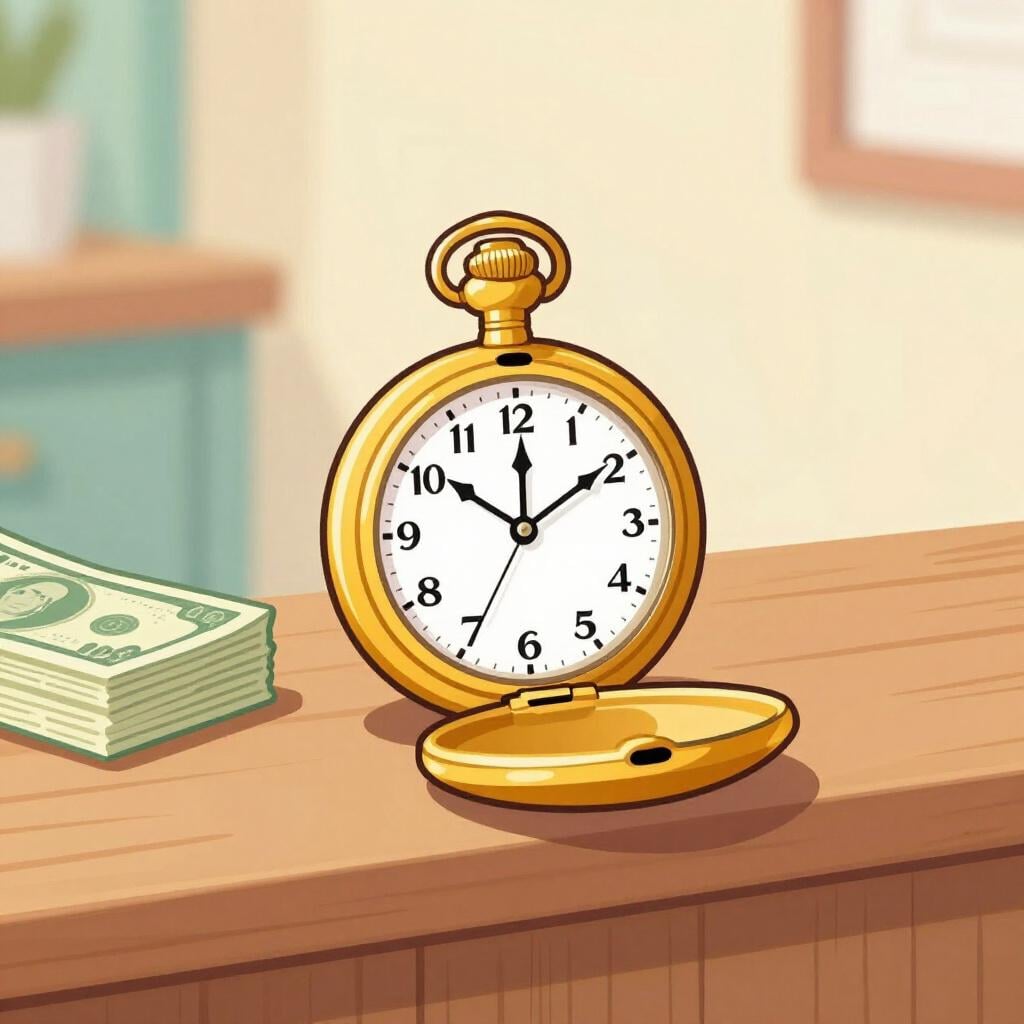
“empeñar” means “to pawn” in Spanish. It has 2 different meanings depending on context:


to pawnAlso: to pledge
📝 In Action
Tuvo que empeñar su reloj para pagar la renta.
A2He had to pawn his watch to pay the rent.
Empeñé mi palabra de que terminaría el trabajo a tiempo.
B2I pledged my word that I would finish the work on time.
No quiero empeñar mis joyas familiares.
B1I don't want to pawn my family jewelry.
Word Connections
to insist onAlso: to get into debt

📝 In Action
Se empeñó en ir caminando a pesar de la lluvia.
B1She insisted on walking despite the rain.
Mi hermano se empeñó hasta las cejas para comprar ese coche.
C1My brother got into debt up to his ears to buy that car.
No te empeñes en convencerlo; no cambiará de opinión.
B2Don't insist on convincing him; he won't change his mind.
Word Connections
Subjunctive
Imperfect Subjunctive
Present Subjunctive
Indicative
Preterite
Imperfect
Present
Translate to Spanish
Words that translate to "empeñar" in Spanish:
✏️ Quick Practice
Quick Quiz: empeñar
Question 1 of 3
Which sentence means 'He insisted on paying'?
📚 More Resources
👥 Word Family
🎵 Rhymes
📚 Etymology
From the Spanish noun 'peño' (pledge), which comes from the Latin 'pignus', meaning a security or collateral for a debt.
First recorded: 13th century
Cognates (Related words)
💡 Master Spanish
Take your Spanish to the next level. Read 200+ illustrated and narrated Spanish stories tailored to your level with the Inklingo app!
Frequently Asked Questions
What is the difference between empeñar and desempeñar?
They are opposites! 'Empeñar' means to pawn something (give it for money). 'Desempeñar' means to get that item back by paying the loan. 'Desempeñar' is also used to mean performing a job or role.
Does 'empeñarse' always mean something negative like debt?
Not at all. While it can mean getting into debt, it most frequently means 'to be determined' or 'to insist.' It shows someone is putting a lot of effort into a goal.
How do I say 'I am determined' using this word?
You would say 'Estoy empeñado' (if you're a man) or 'Estoy empeñada' (if you're a woman), followed by 'en' and the action.