extrañé
“extrañé” means “I missed” in Spanish. It has 2 different meanings depending on context:
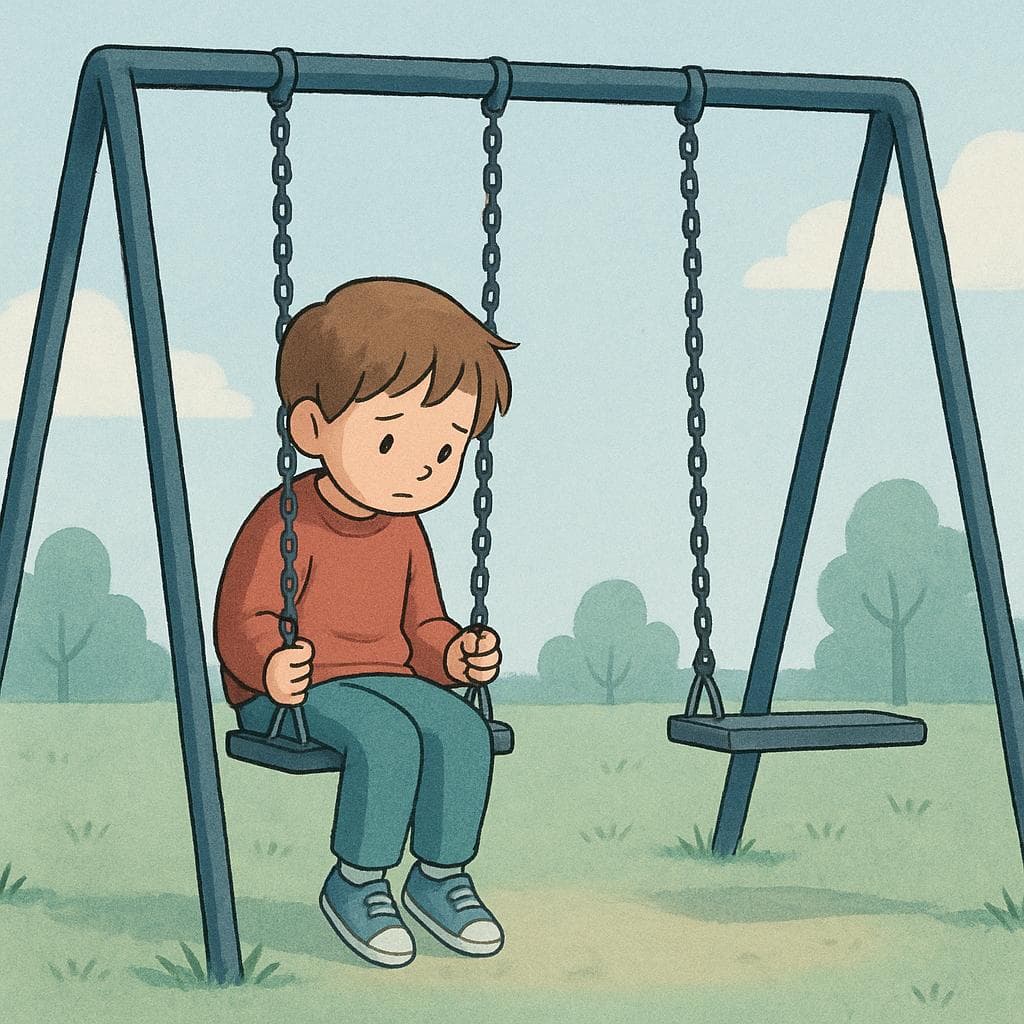

I missed
Also: I longed for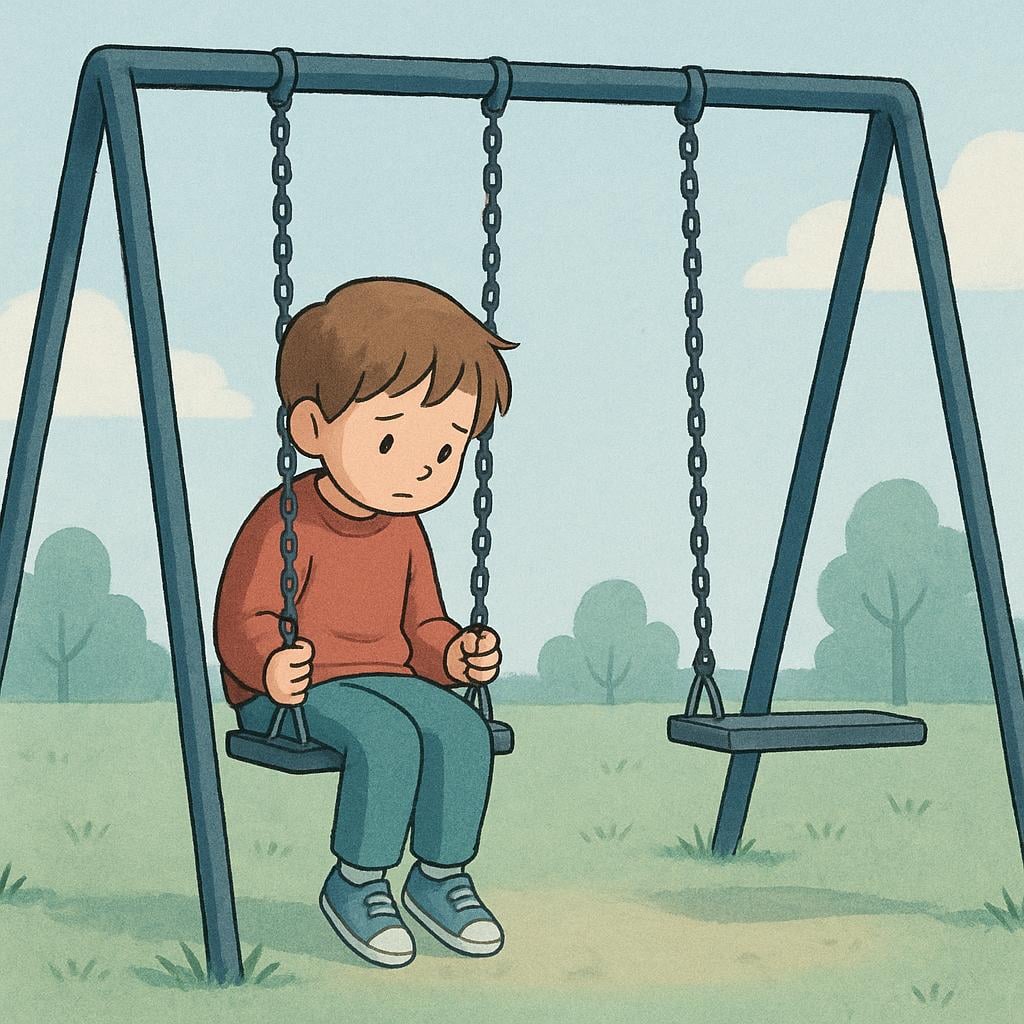
📝 In Action
Extrañé a mi familia durante mis vacaciones.
A2I missed my family during my vacation.
Cuando me mudé, extrañé mucho el sol de mi ciudad.
B1When I moved, I really missed the sunshine of my city.
No extrañé el tráfico de la ciudad ni por un segundo.
B1I didn't miss the city traffic for even a second.
I was surprised by
Also: I found strange
📝 In Action
Extrañé su repentino silencio; normalmente habla mucho.
C1I was surprised by his sudden silence; he usually talks a lot.
Al principio extrañé la forma en que se dirigía a su jefe.
C1At first, I found the way he addressed his boss strange.
🔄 Conjugations
indicative
present
preterite
imperfect
subjunctive
present
imperfect
✏️ Quick Practice
Quick Quiz: extrañé
Question 1 of 1
Which sentence uses 'extrañé' in the sense of 'I was surprised by'?
📚 More Resources
👥 Word Family▼
📚 Etymology▼
Comes from the Latin word *extraneus*, meaning 'foreign' or 'outside.' The Spanish adjective *extraño* (strange) evolved into the verb *extrañar*. The meaning shifted over time from 'to find something foreign/strange' to the modern, emotional meaning 'to miss someone who is absent.'
First recorded: 13th century (in related forms)
Cognates (Related words)
💡 Master Spanish
Take your Spanish to the next level. Read 200+ illustrated and narrated Spanish stories tailored to your level with the Inklingo app!
Frequently Asked Questions
Is 'extrañé' the same as 'echar de menos'?
Yes, they both mean 'I missed.' 'Extrañé' is used universally across the Spanish-speaking world and is typically more formal or concise. 'Eché de menos' is also very common, especially in Spain and parts of Latin America.
Does 'extrañé' mean the missing feeling is over?
Not necessarily. 'Extrañé' means that the act of missing happened and was completed in the past (e.g., 'I missed you yesterday'). If you currently miss someone, you would use the present tense: 'Yo extraño' (I miss).