favores
“favores” means “favors” in Spanish (acts of help or kindness).
favors
Also: kindnesses, services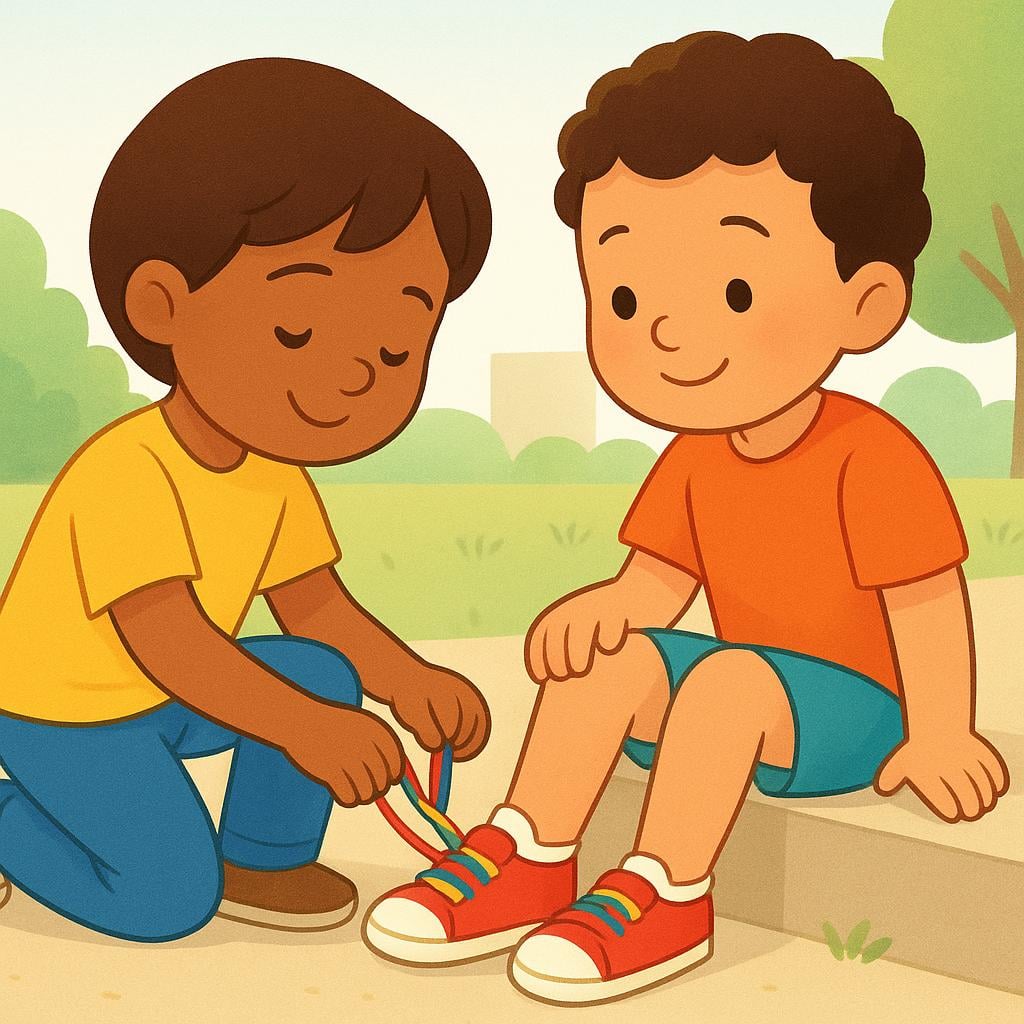
📝 In Action
Necesito que me hagas tres favores antes de irte.
A2I need you to do three favors for me before you leave.
Nunca olvidaré los favores que me hicieron cuando llegué a la ciudad.
B1I will never forget the favors they did for me when I arrived in the city.
No pido favores, solo busco un trato justo.
B2I'm not asking for favors, I'm just looking for a fair deal.
Translate to Spanish
✏️ Quick Practice
Quick Quiz: favores
Question 1 of 2
Which Spanish verb is most commonly used when talking about performing 'favores'?
📚 More Resources
📚 Etymology▼
Comes directly from the Latin word *favor*, which meant 'goodwill,' 'support,' or 'approval.' It has kept its meaning of showing kindness or support through an action.
First recorded: 13th century
Cognates (Related words)
💡 Master Spanish
Take your Spanish to the next level. Read 200+ illustrated and narrated Spanish stories tailored to your level with the Inklingo app!
Frequently Asked Questions
Is 'favores' masculine or feminine?
The singular noun 'favor' is masculine, so the plural 'favores' is also masculine. You would use masculine articles and adjectives with it (e.g., 'los favores', 'muchos favores').
How do I ask someone to do a favor for me using this word?
A very natural way to ask is: '¿Me puedes hacer un favor?' (Can you do me a favor?). If you need more than one, you would say: 'Necesito que me hagas algunos favores.'