frutos
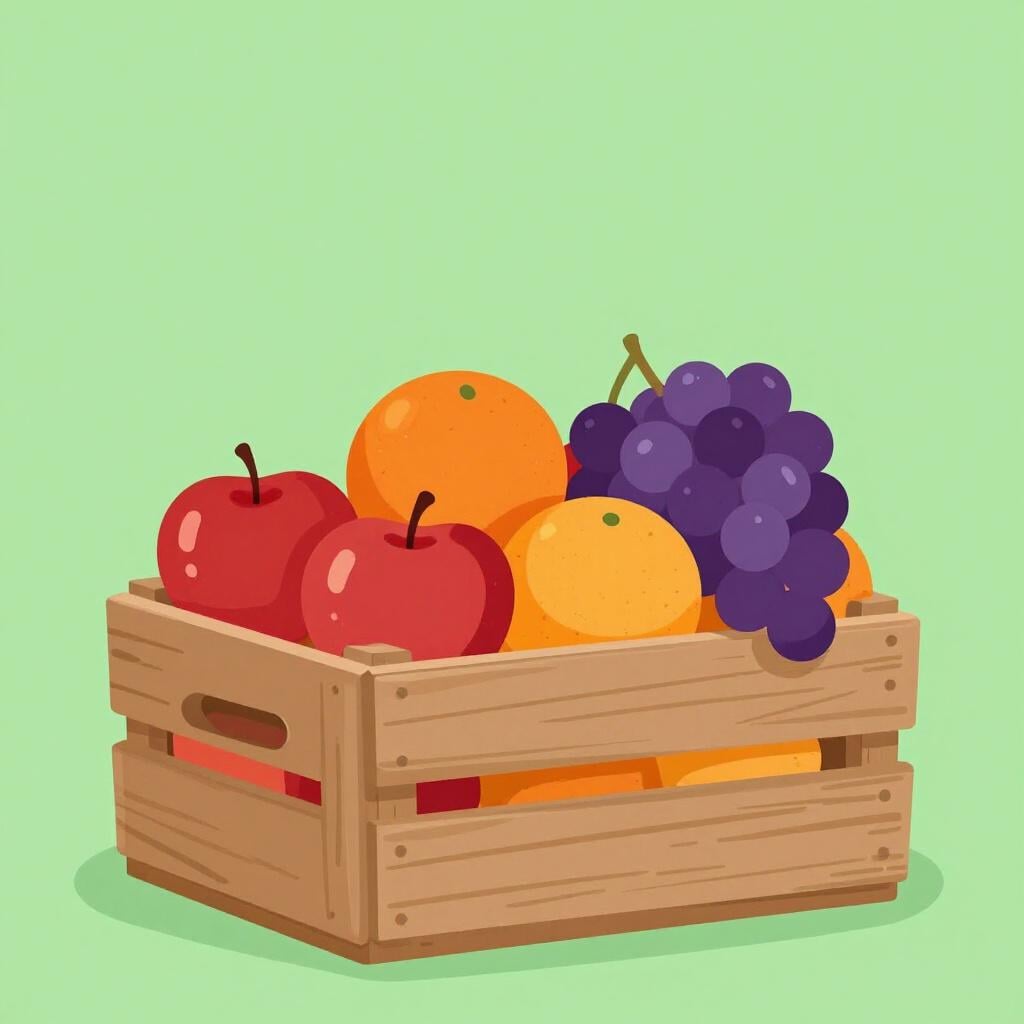
“frutos” means “fruits” in Spanish. It has 2 different meanings depending on context:


fruitsAlso: nuts, produce
📝 In Action
Los árboles están cargados de frutos este año.
A2The trees are loaded with fruits this year.
Me encanta comer frutos secos como merienda.
A2I love eating nuts as a snack.
Word Connections
fruitsAlso: rewards, benefits

📝 In Action
Al fin vemos los frutos de nuestro esfuerzo.
B1We are finally seeing the fruits of our effort.
Su dedicación dio grandes frutos en el proyecto.
B1His dedication bore great fruit in the project.
Word Connections
Vocabulary Collections
Translate to Spanish
✏️ Quick Practice
Quick Quiz: frutos
Question 1 of 2
Which phrase would you use to talk about eating almonds and walnuts?
📚 More Resources
👥 Word Family
🎵 Rhymes
📚 Etymology
From the Latin 'fructus', which referred to both the act of enjoying something and the product or profit gained from it.
First recorded: 12th century
Cognates (Related words)
💡 Master Spanish
Take your Spanish to the next level. Read 200+ illustrated and narrated Spanish stories tailored to your level with the Inklingo app!
Frequently Asked Questions
What is the difference between 'fruto' and 'fruta'?
'Fruto' is the general botanical term and is also used figuratively (e.g., fruit of labor). 'Fruta' specifically refers to edible, sweet fruits like apples and oranges.
Does 'frutos' always have to be plural?
No, you can use 'fruto' in the singular to describe a specific result, but 'frutos' is more common when speaking generally about rewards.