How to Say "nuts" in Spanish
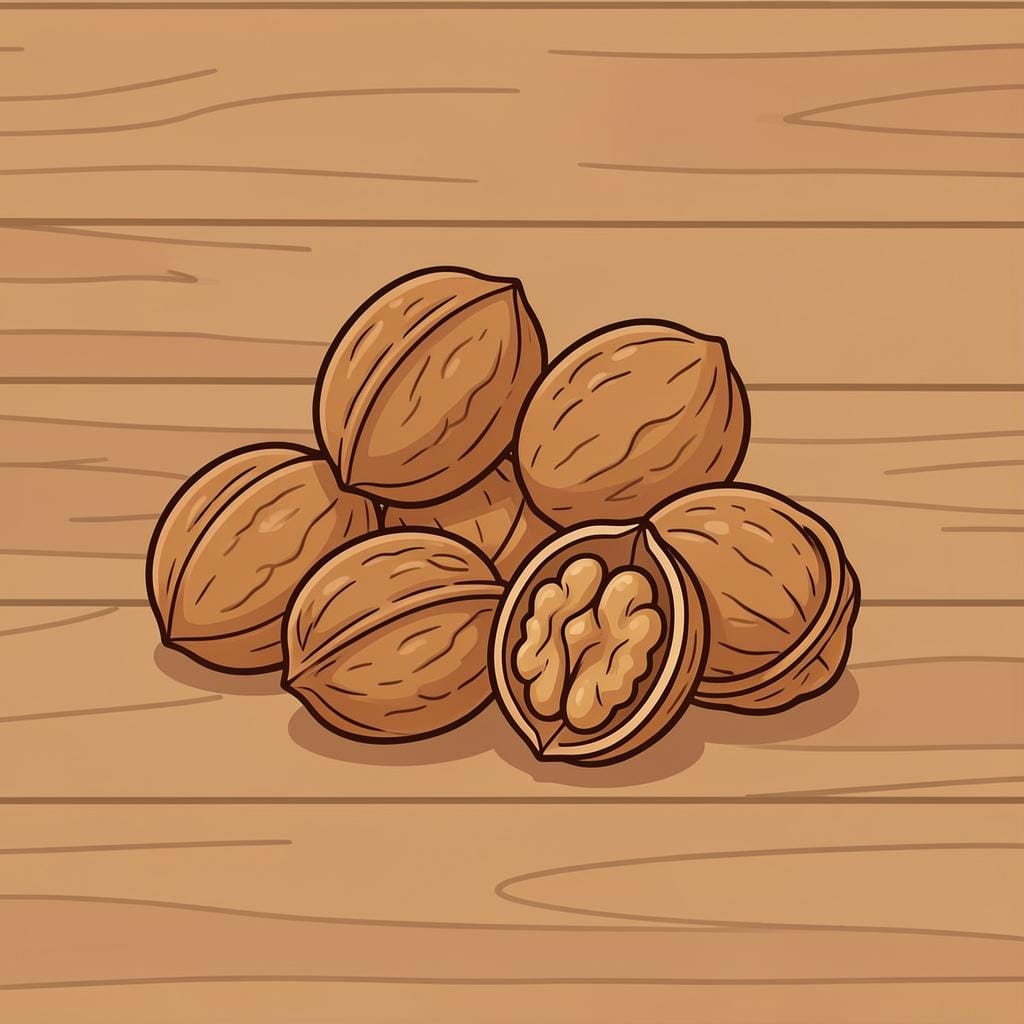
The most common Spanish word for “nuts” is “nueces” — use 'nueces' when referring to edible nuts, especially walnuts and almonds, often used in cooking or as snacks.
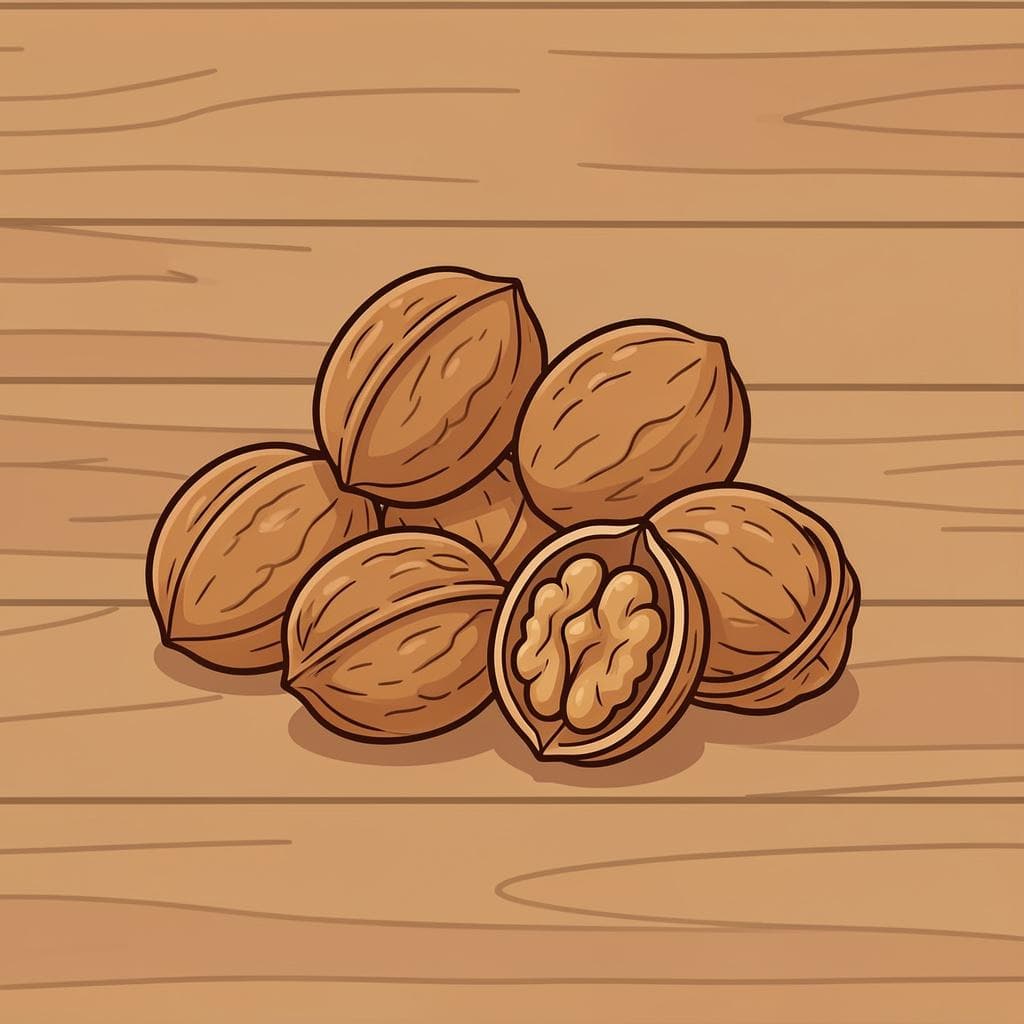
Use 'nueces' when referring to edible nuts, especially walnuts and almonds, often used in cooking or as snacks.
Learn more →
Use 'frutos' in a more general sense for fruits from trees, particularly when used in the compound 'frutos secos' (dried fruits/nuts).
Learn more →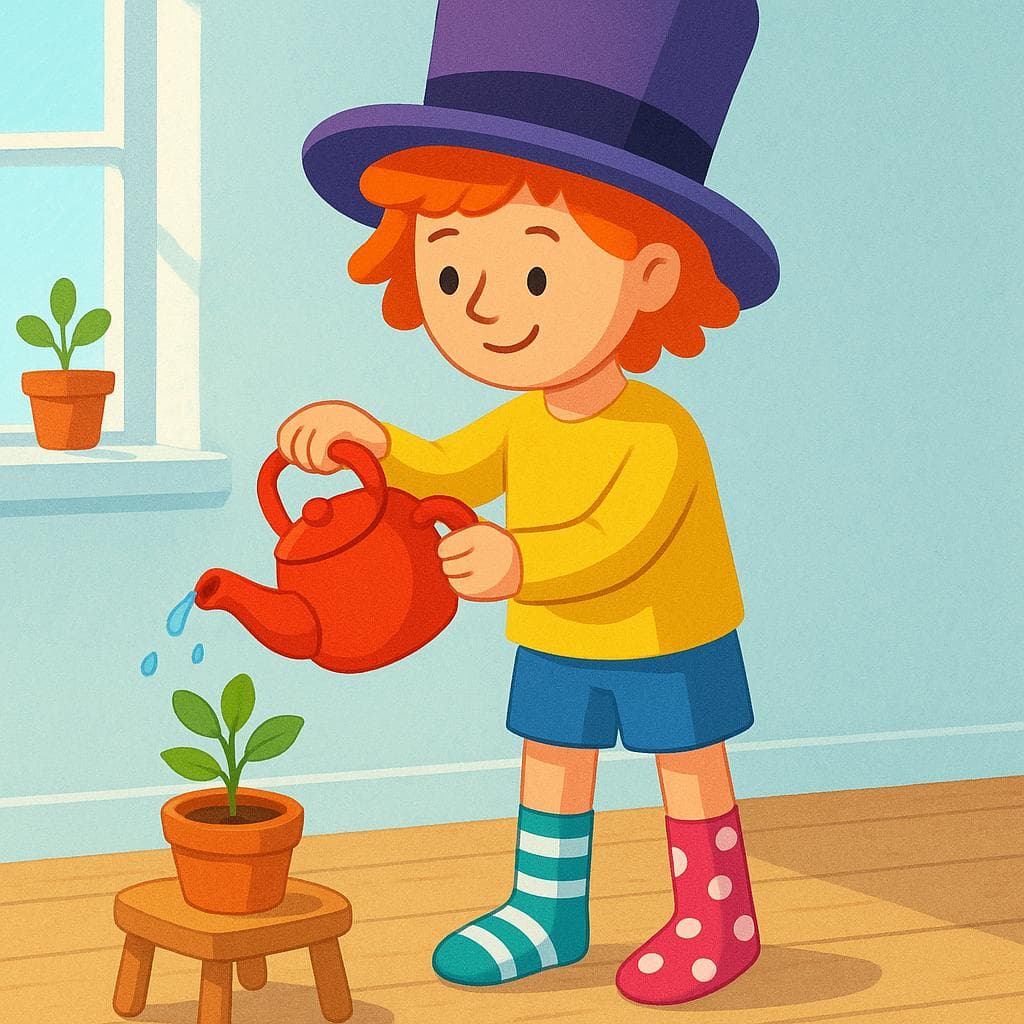
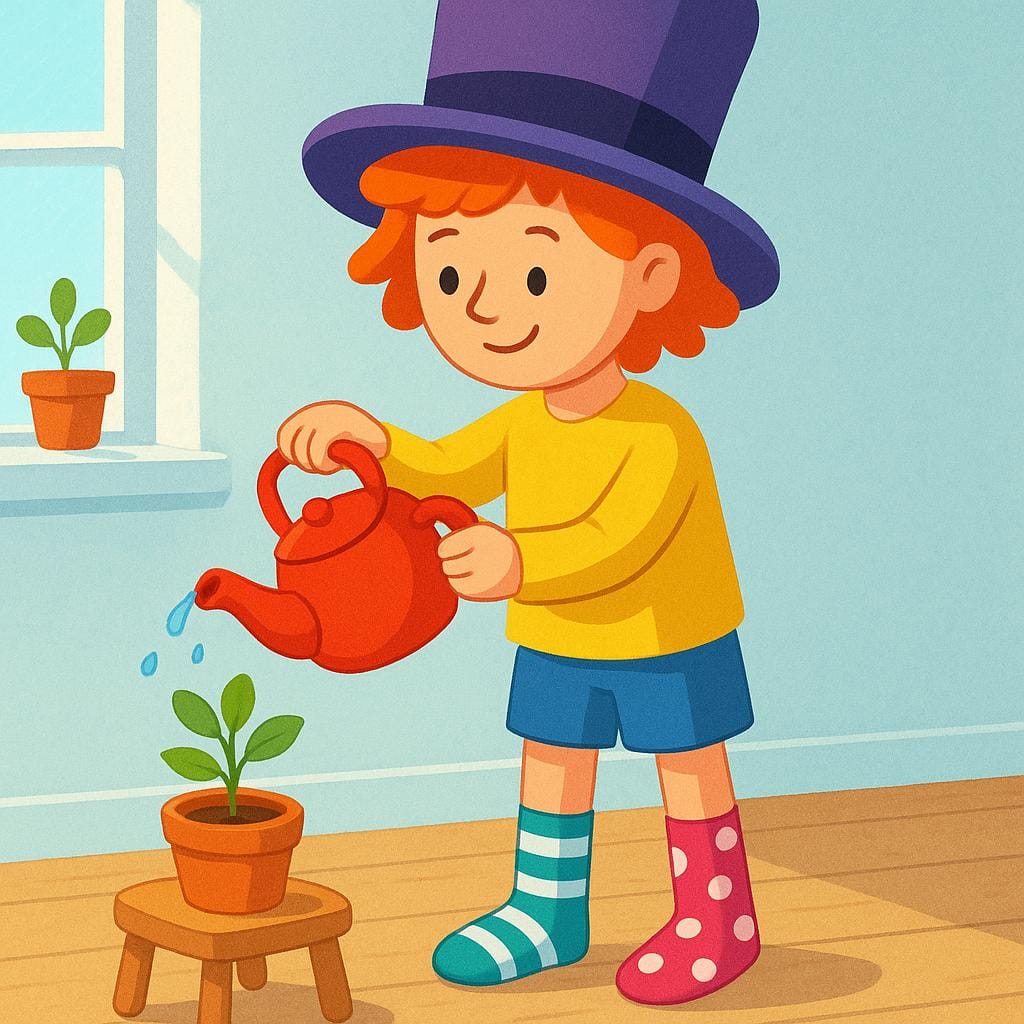
Use 'chiflado' as slang to describe someone as eccentric, quirky, or slightly crazy.
Learn more →nweh-sehsˈnweses
Examples
Me encantan las nueces con miel.
I love walnuts with honey.
Puse algunas nueces en mi ensalada para que esté crujiente.
I put some walnuts in my salad to make it crunchy.
Las nueces son una gran fuente de energía.
Nuts are a great source of energy.
Necesito un cascanueces para abrir estas nueces.
I need a nutcracker to open these walnuts.
The 'Z' to 'CES' Swap
When a Spanish word ends in 'z' (like the singular 'nuez'), you change the 'z' to a 'c' before adding 'es' to make it plural.
Spelling with Z
Mistake: “nuezes”
Correction: nueces - Remember that 'z' almost never appears before 'e' or 'i' in Spanish; it switches to 'c' instead.
froo-tohsˈfɾutos

Examples
El otoño es la temporada de frutos secos.
Autumn is the season for dried fruits/nuts.
Los árboles están cargados de frutos este año.
The trees are loaded with fruits this year.
Me encanta comer frutos secos como merienda.
I love eating nuts as a snack.
Fruto vs. Fruta
Use 'fruto' (masculine) for the botanical part of a plant or nuts. Use 'fruta' (feminine) for the sweet, edible fruits like apples or bananas.
Nuts are not just 'nueces'
Mistake: “Using 'frutas secas' for nuts.”
Correction: Use 'frutos secos' to refer to the category of nuts (walnuts, almonds, etc.).
chee-FLAH-doh (The 'ch' sounds like the 'ch' in 'cheese')tʃiˈflaðo
Examples
Mi abuela está un poco chiflada, pero es muy simpática.
My grandmother is a bit nuts (eccentric), but she's very nice.
Mi tío está un poco chiflado, siempre habla con las plantas.
My uncle is a little crazy (eccentric); he always talks to the plants.
Ella está chiflada por el chocolate; come una barra al día.
She is crazy about chocolate; she eats a bar a day.
¿Estás chiflado? ¡No puedes saltar desde ahí!
Are you nuts? You can't jump from there!
Changing Endings
Like most Spanish adjectives, 'chiflado' changes its ending to match the person or thing it describes: 'chiflado' (masculine singular), 'chiflada' (feminine singular), 'chiflados' (masculine plural), and 'chifladas' (feminine plural).
Mixing Ser and Estar
Mistake: “Soy chiflado.”
Correction: Estoy chiflado. We usually use 'estar' (to be temporarily or in a state) with 'chiflado' because it describes a current state of mind or behavior, even if it's a common personality trait.
Food vs. Feeling Crazy
The most common mistake is using food-related terms like 'nueces' or 'frutos' when you mean someone is acting crazy. Remember, 'chiflado' is the slang term for eccentric or silly behavior, while 'nueces' and 'frutos' refer to edible items.
Related Translations
Learn Spanish with Inklingo
Interactive stories, personalized learning, and more.