hazle
“hazle” means “do (it) to/for him/her” in Spanish (giving an instruction to do an action for someone else).
do (it) to/for him/her, make him/her
Also: ask him/her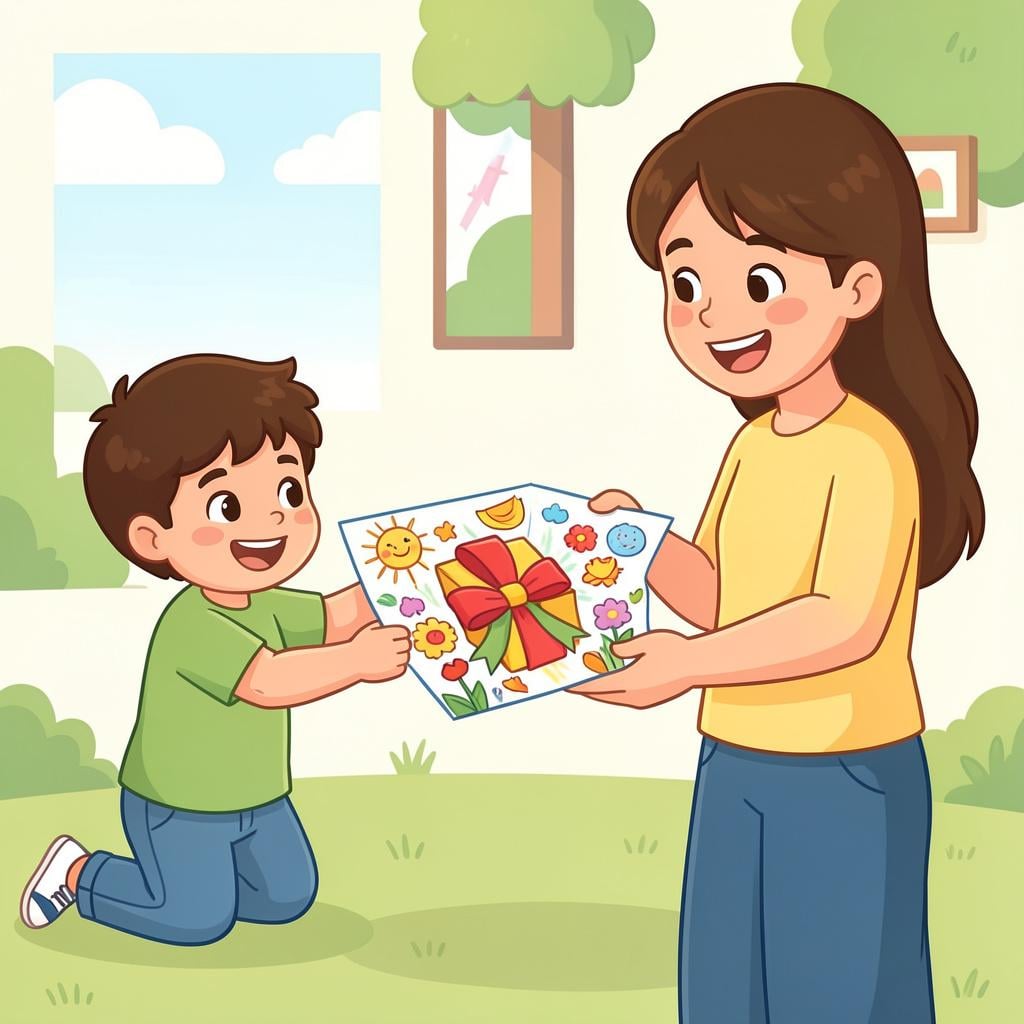
📝 In Action
Hazle un favor a tu abuela y llámala.
A2Do your grandmother a favor and call her.
Si tienes dudas, hazle una pregunta al guía.
A2If you have doubts, ask the guide a question.
Hazle saber que llegaremos tarde.
B1Let him know that we will be late.
🔄 Conjugations
subjunctive
imperfect
present
indicative
preterite
imperfect
present
✏️ Quick Practice
Quick Quiz: hazle
Question 1 of 1
If you want to tell a friend to 'pay attention to the teacher,' what should you say?
📚 More Resources
📚 Etymology▼
Derived from the Latin 'facere' (to do/make). The 'f' eventually became a silent 'h' in Spanish. The 'le' comes from the Latin 'illi' (to him/her).
First recorded: 13th century (in the form of its parent verb 'hacer')
Cognates (Related words)
💡 Master Spanish
Take your Spanish to the next level. Read 200+ illustrated and narrated Spanish stories tailored to your level with the Inklingo app!
Frequently Asked Questions
Does 'hazle' mean 'do it'?
Not exactly. 'Hazlo' means 'do it.' 'Hazle' means 'do (something) to/for him or her.' You almost always need to mention what you are doing, like 'Hazle un favor' (Do him a favor).
Can 'hazle' be used for objects?
Yes, if the object is being treated as an indirect recipient. For example, 'Hazle un cambio a la silla' (Make a change to the chair).