masiva
“masiva” means “massive” in Spanish. It has 2 different meanings depending on context:

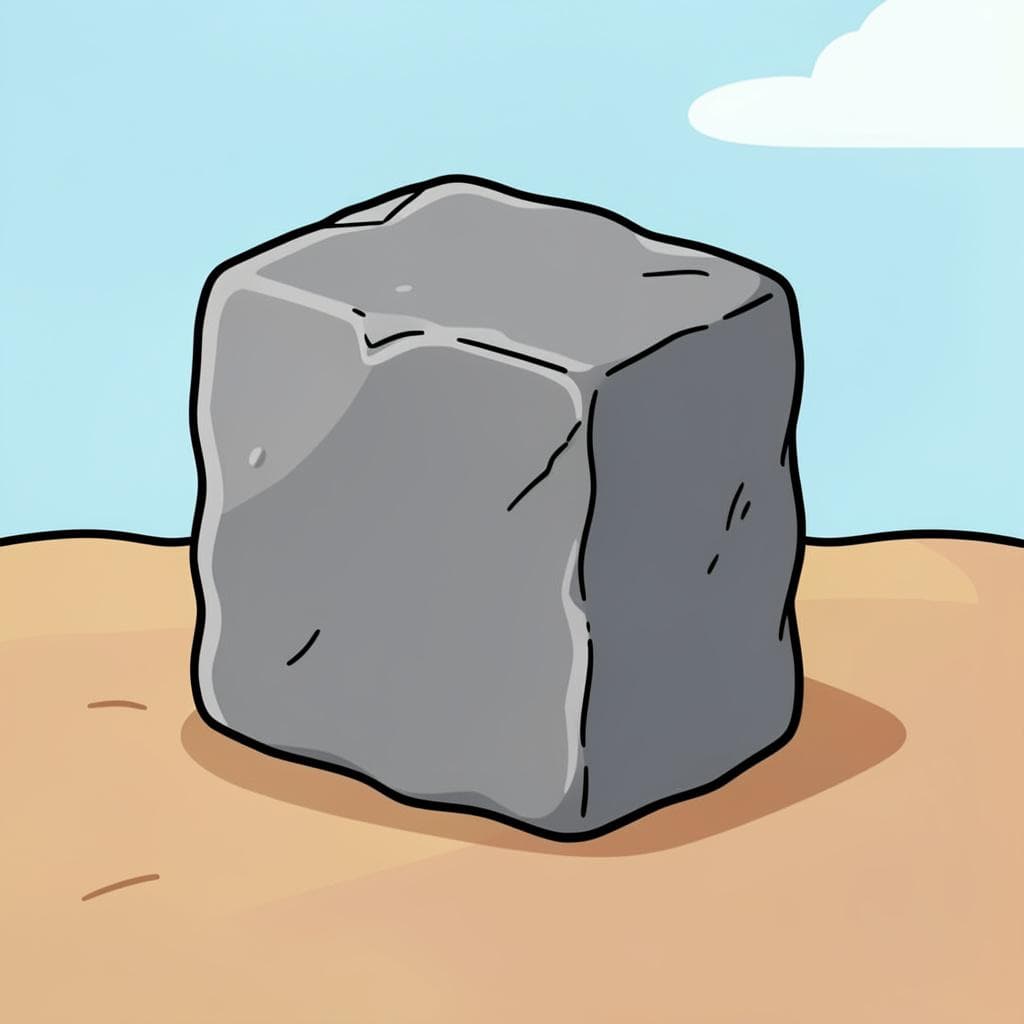
massive
Also: mass, widespread
📝 In Action
Hubo una asistencia masiva al concierto de ayer.
B1There was a massive attendance at yesterday's concert.
La campaña de vacunación fue masiva en todo el país.
B1The vaccination campaign was widespread throughout the country.
Estamos viviendo una extinción masiva de especies.
B2We are living through a mass extinction of species.
solid
Also: bulky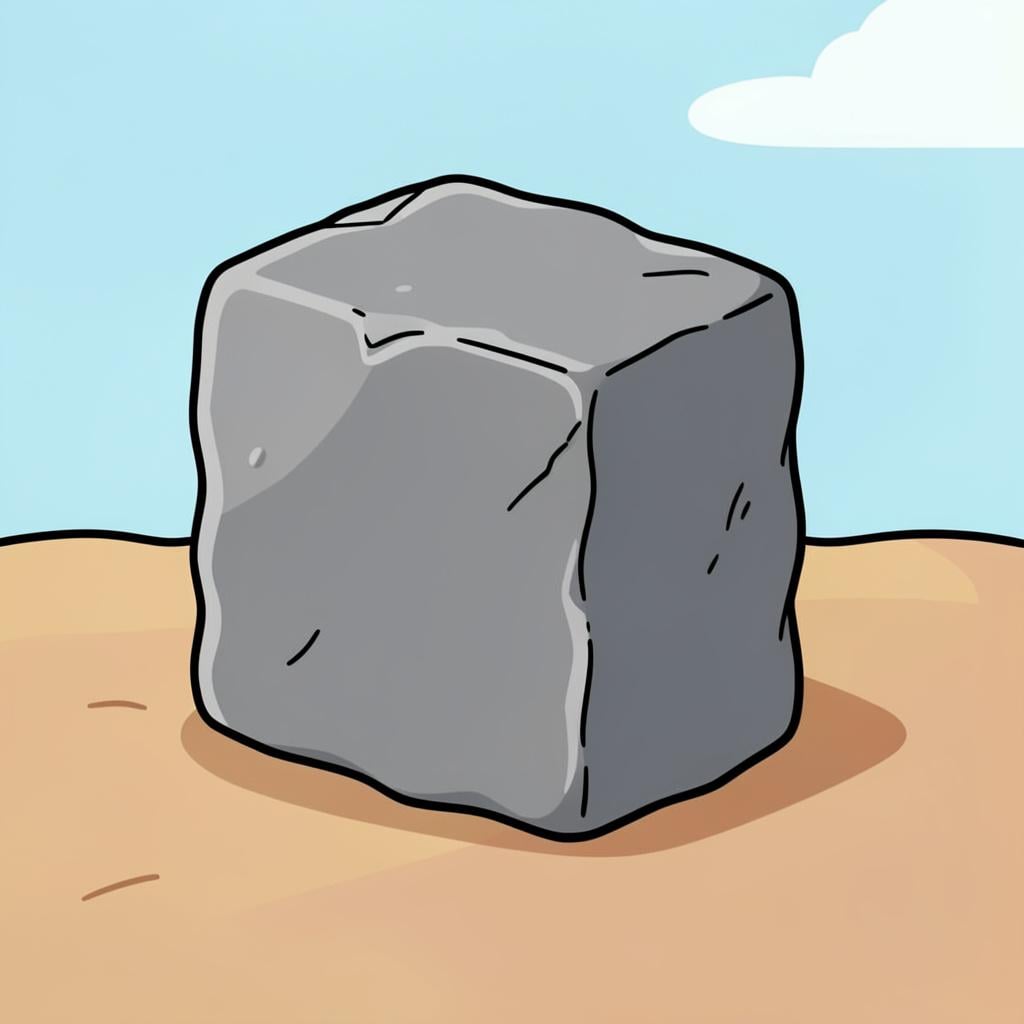
📝 In Action
La escultura fue tallada en una pieza masiva de mármol.
C1The sculpture was carved from a solid piece of marble.
Translate to Spanish
✏️ Quick Practice
Quick Quiz: masiva
Question 1 of 1
Which of these would best be described as 'masiva'?
📚 More Resources
👥 Word Family▼
🎵 Rhymes▼
📚 Etymology▼
From the Latin word 'massa', meaning a lump or a large piece of dough/material. It evolved into 'masivo/masiva' to describe things that have great bulk or involve a 'mass' of people.
First recorded: 18th century
Cognates (Related words)
💡 Master Spanish
Take your Spanish to the next level. Read 200+ illustrated and narrated Spanish stories tailored to your level with the Inklingo app!
Frequently Asked Questions
What is the difference between 'masiva' and 'grande'?
'Grande' just means big. 'Masiva' implies a scale that is huge or involves a vast number of units, like a 'massive' crowd or 'mass' media.
Can I use 'masiva' to describe a person?
Not usually. If a person is physically big, you would use 'grande' or 'corpulenta.' 'Masiva' is for groups of people or solid objects.