How to Say "solid" in Spanish
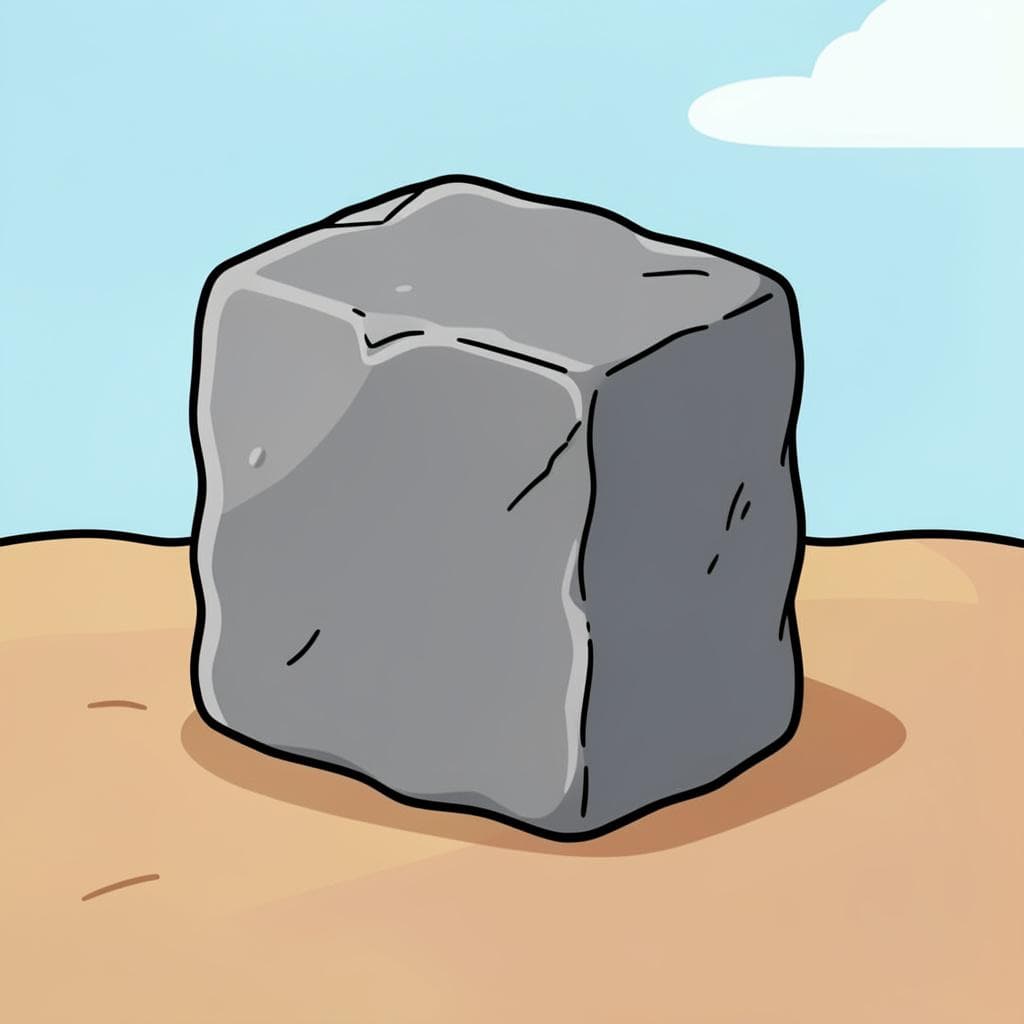
The most common Spanish word for “solid” is “sólido” — use 'sólido' when referring to the physical state of matter (not liquid or gas) or when describing something as strong, reliable, or well-founded.




sólido
Examples
El hielo es agua en estado sólido.
Ice is water in a solid state.
sólido
Examples
Los sólidos mantienen su volumen constante.
Solids maintain a constant volume.
compacto
kom-PAHK-tohkomˈpakto

Examples
Este nuevo teléfono tiene un diseño muy compacto.
This new phone has a very compact design.
La nieve estaba tan compacta que podíamos caminar sobre ella.
The snow was so dense that we could walk on it.
Necesitamos un resumen más compacto de los hechos.
We need a more concise (compact) summary of the facts.
Matching with Nouns
This word changes its ending to match the gender of the thing you are describing. Use 'compacto' for masculine items (un libro) and 'compacta' for feminine items (una cámara).
Placement after the Noun
In most cases, you should place 'compacto' after the noun you are describing, such as 'un coche compacto' rather than 'un compacto coche'.
State vs. Action
Mistake: “Using 'compacto' when you mean something was forced into a shape.”
Correction: Use 'compacto' to describe how something is, but use 'compactado' if you want to say something was 'compacted' or 'compressed' by a machine or force.
firme
FEER-mehˈfiɾme

Examples
Asegúrate de que la mesa esté firme antes de poner el jarrón.
Make sure the table is firm before you put the vase on it.
Caminamos por tierra firme después de salir del barco.
We walked on firm ground after getting off the boat.
Adjective Agreement
Like most Spanish adjectives, 'firme' changes its ending to match the thing it describes. However, 'firme' is one of those adjectives that works for both masculine and feminine things (el piso firme, la base firme).
consistente
kon-sees-TEN-tehkonsisˈtente

Examples
La salsa necesita estar más consistente antes de servirla.
The sauce needs to be thicker/firmer before serving it.
El abogado presentó un argumento muy consistente ante el juez.
The lawyer presented a very solid argument to the judge.
Para construir esta mesa, necesitamos una madera más consistente.
To build this table, we need a more solid/sturdy wood.
One Form for All
This word is 'gender-neutral,' meaning it stays 'consistente' whether you are describing a masculine noun (el argumento) or a feminine noun (la masa).
Describing Logic
When used with abstract things like ideas or theories, it means they 'hold water' or are well-structured.
The 'Steady' Confusion
Mistake: “Using 'consistente' to mean a person is 'consistent' in their habits.”
Correction: While 'consistente' can work for steady results, use 'constante' if you want to say someone is disciplined or persistent.
robusto
ro-BOOS-tohroˈβusto

Examples
El abuelo todavía es un hombre muy robusto.
Grandfather is still a very sturdy man.
Necesitamos una mesa robusta para el taller.
We need a sturdy table for the workshop.
A pesar de los problemas, la empresa mantiene un crecimiento robusto.
Despite the problems, the company maintains robust growth.
Matching Gender and Number
Remember to change the ending to match what you are describing. Use 'robusto' for masculine items, 'robusta' for feminine, and add an 's' for plural (robustos/robustas).
Positioning with the Verb 'Ser'
Since being 'robusto' is usually considered a lasting characteristic of a person or object, we almost always use it with the verb 'ser' (to be) rather than 'estar'.
Don't confuse with 'fat'
Mistake: “Using 'robusto' to mean someone is overweight in a negative way.”
Correction: 'Robusto' implies health and strength. If you want to say someone is just 'heavy,' use 'gordo' or 'con sobrepeso.' 'Robusto' is more like 'well-built'.
masiva
mah-SEE-vahmaˈsiβa
Examples
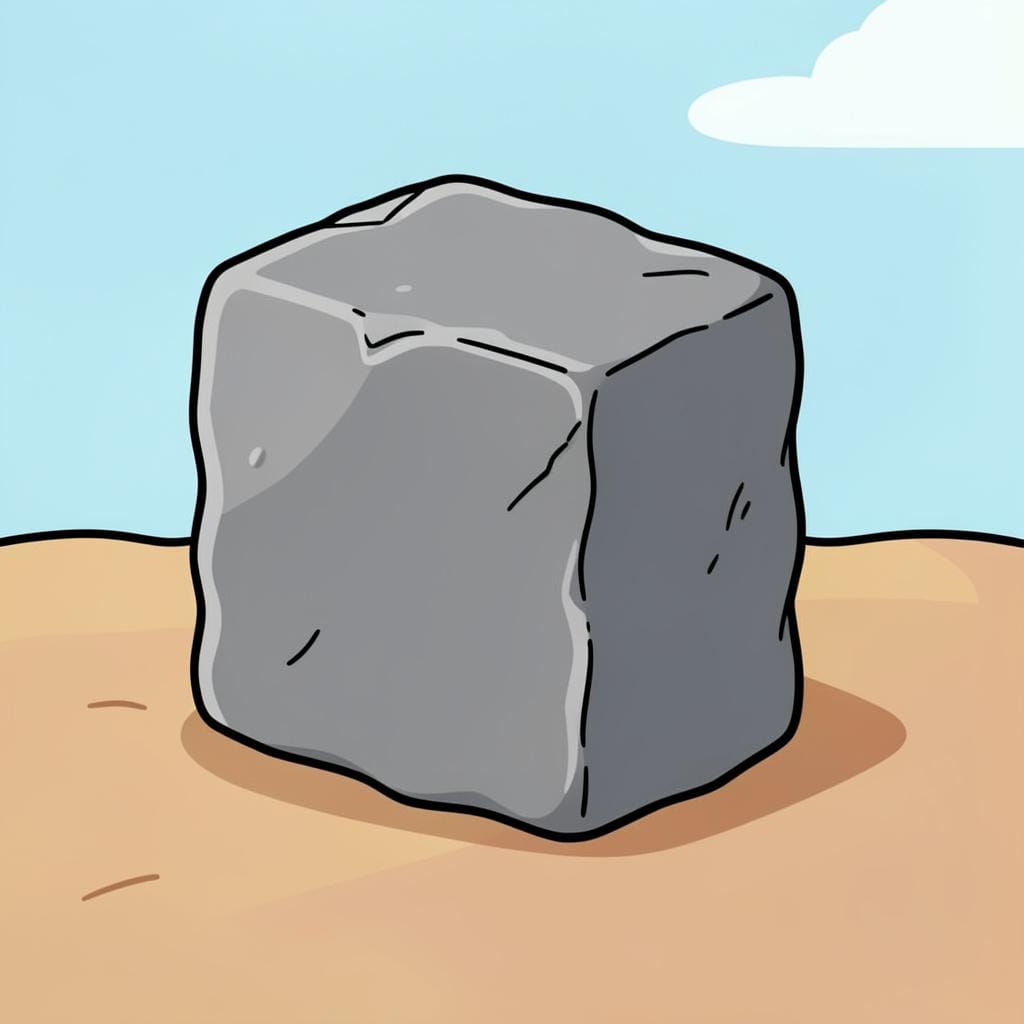
La escultura fue tallada en una pieza masiva de mármol.
The sculpture was carved from a solid piece of marble.
Solid vs. Firm vs. Consistent
Related Translations
Learn Spanish with Inklingo
Interactive stories, personalized learning, and more.