matanza
“matanza” means “massacre” in Spanish. It has 3 different meanings depending on context:

massacreAlso: slaughter, carnage

📝 In Action
Los historiadores escribieron sobre la matanza ocurrida en la guerra.
B1The historians wrote about the massacre that happened in the war.
Debemos evitar otra matanza de civiles inocentes.
B2We must avoid another slaughter of innocent civilians.
Word Connections
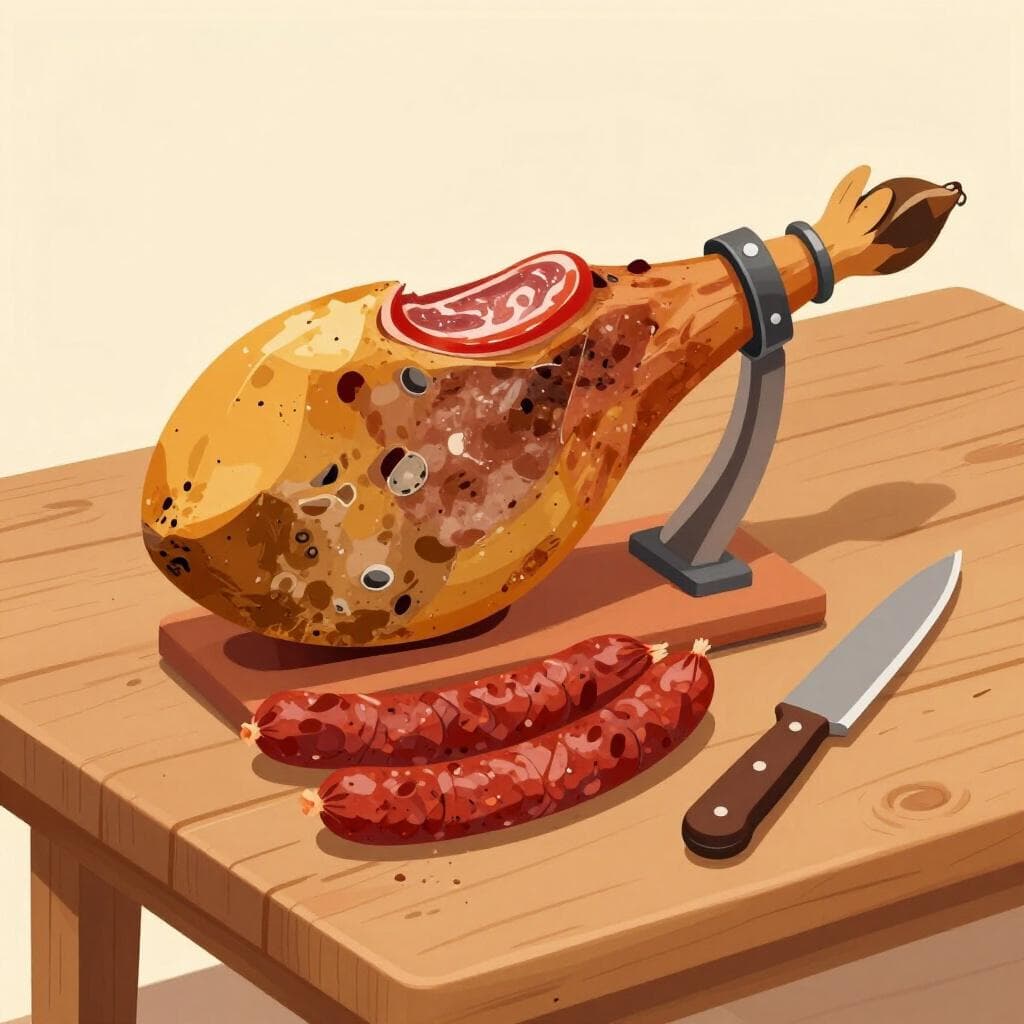
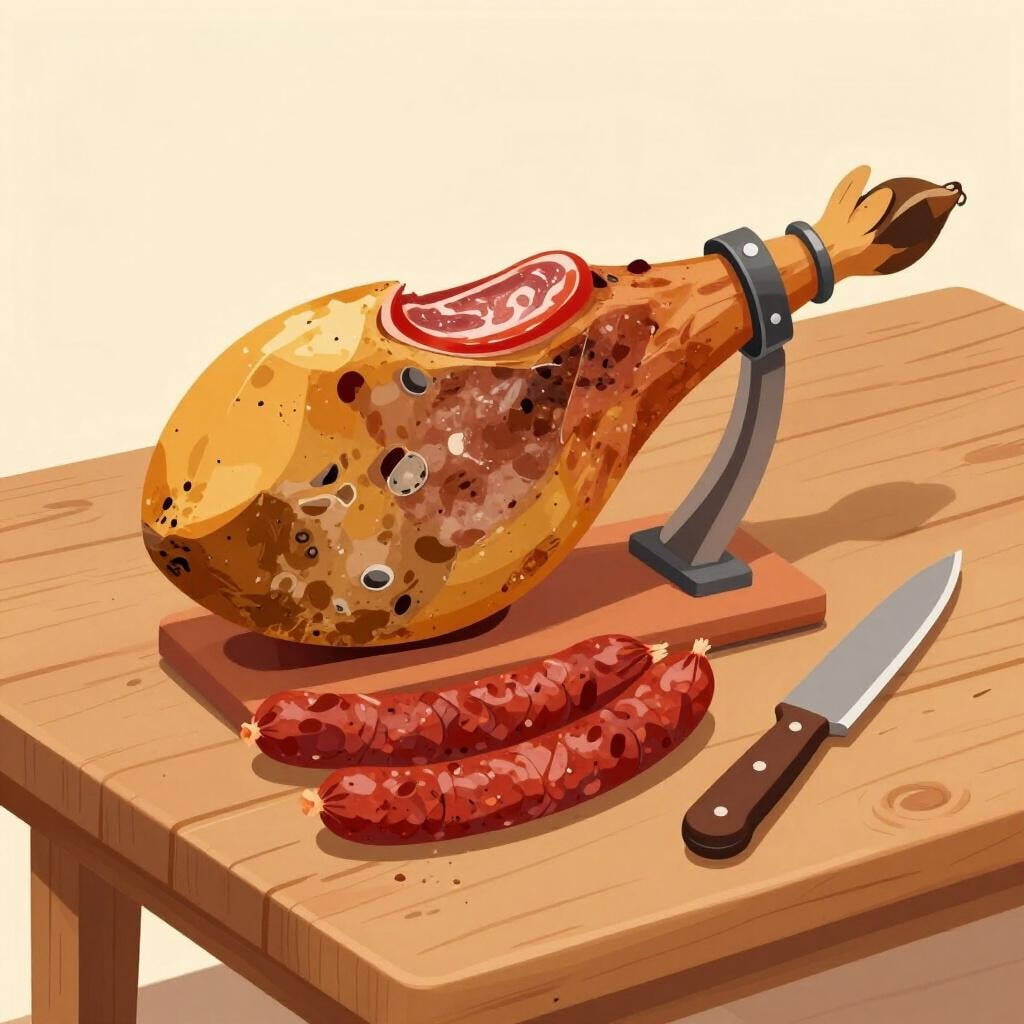
slaughterAlso: pig-slaughter festival
📝 In Action
En el pueblo, la matanza del cerdo es una tradición de invierno.
B2In the village, the pig slaughter is a winter tradition.
Ya tienen todo listo para la matanza de mañana.
B1They have everything ready for tomorrow's slaughter.
Word Connections
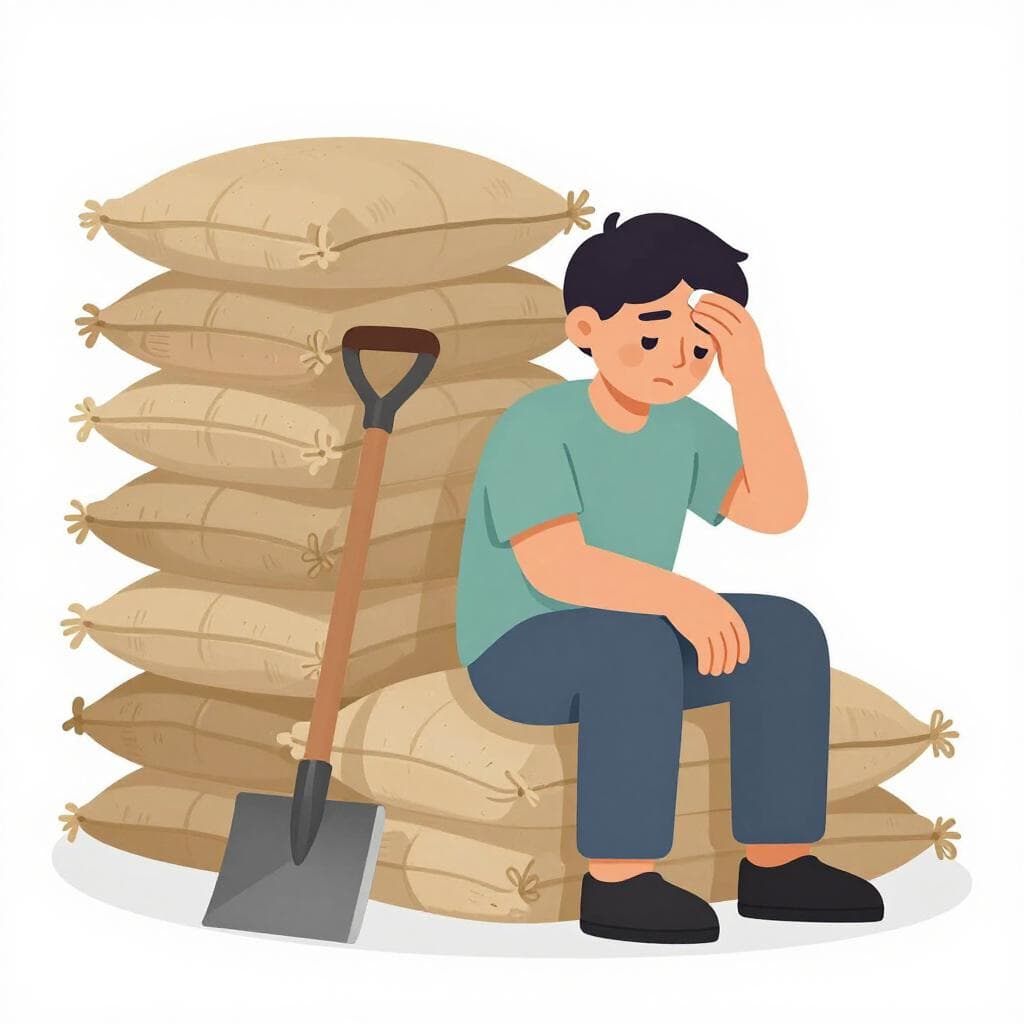
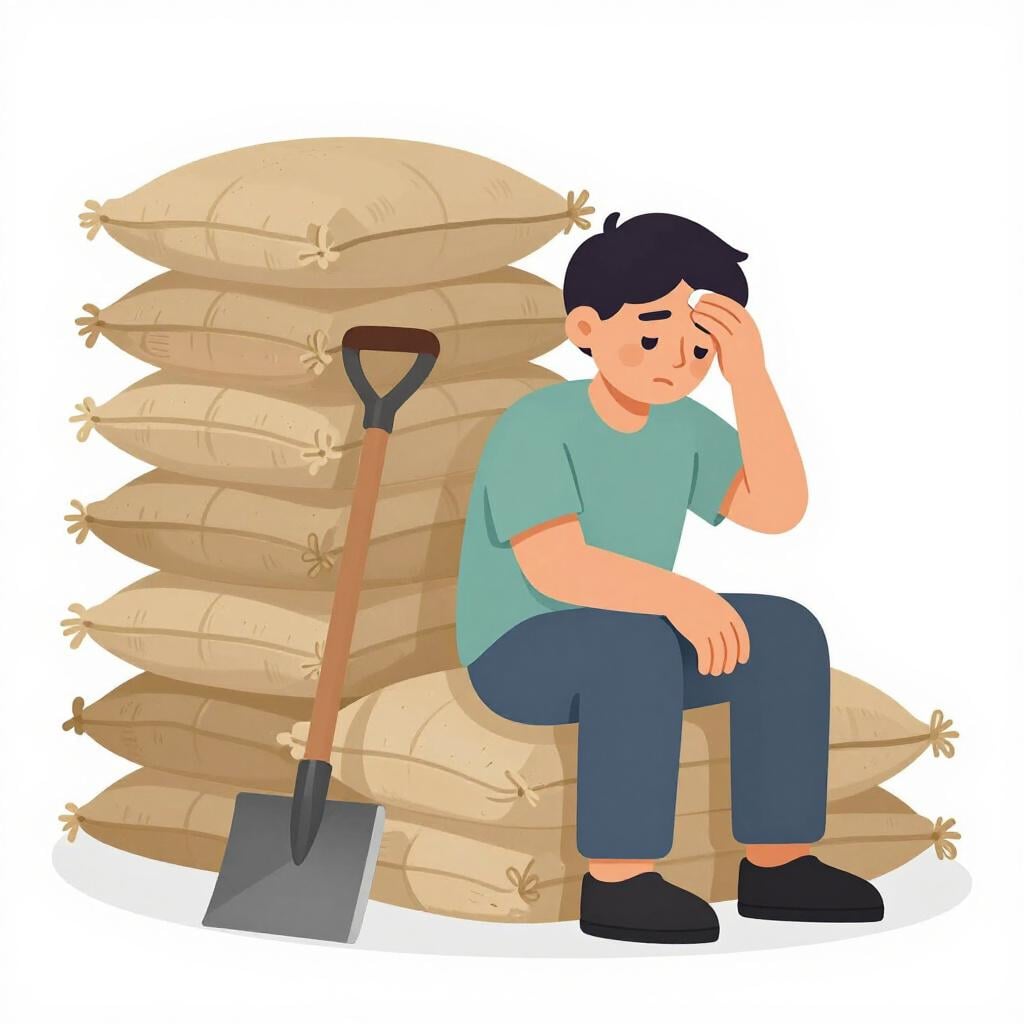
exhausting taskAlso: killer
📝 In Action
Subir todas esas cajas fue una matanza.
C1Carrying all those boxes up was a real killer (exhausting).
Word Connections
Translate to Spanish
Words that translate to "matanza" in Spanish:
✏️ Quick Practice
Quick Quiz: matanza
Question 1 of 2
Which of these is the most likely meaning of 'matanza' in a rural winter festival context?
📚 More Resources
👥 Word Family
📚 Etymology
From the Spanish verb 'matar' (to kill), combined with the suffix '-anza' which indicates an action or result. Its roots go back to the Latin 'mactare' (to glorify or sacrifice).
First recorded: 13th century
Cognates (Related words)
💡 Master Spanish
Take your Spanish to the next level. Read 200+ illustrated and narrated Spanish stories tailored to your level with the Inklingo app!
Frequently Asked Questions
Is 'matanza' only used for bad things?
While it often refers to massacres (bad), it is also used for a culturally significant food tradition (neutral/positive) and figuratively for hard work.
What is the plural of matanza?
The plural is 'matanzas'. Use it when referring to multiple events or different instances of slaughter.