metí
“metí” means “I put in” in Spanish. It has 2 different meanings depending on context:

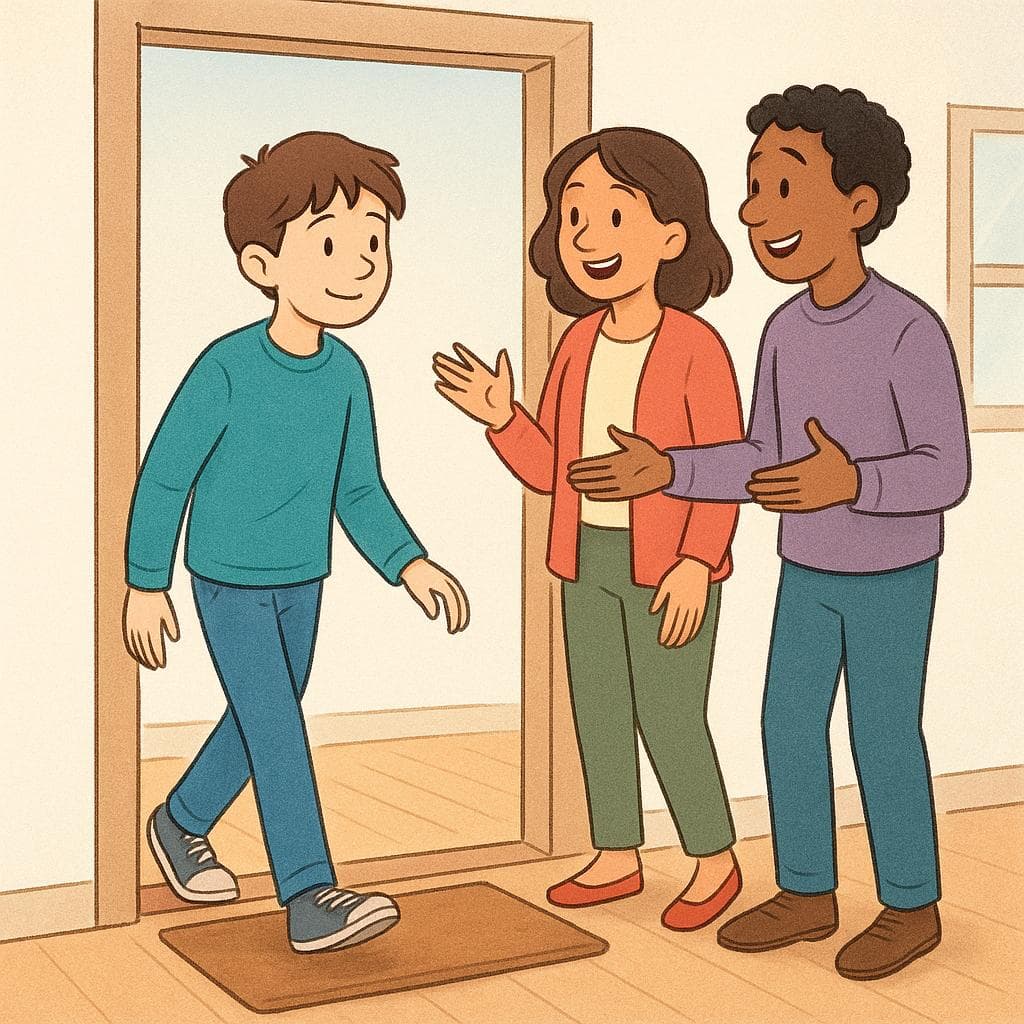
I put in, I inserted
Also: I stuck
📝 In Action
Metí mi tarjeta en el cajero automático.
A1I put my card in the ATM.
Metí todos los juguetes en la caja.
A1I put all the toys in the box.
¿Dónde metí las llaves?
A2Where did I put the keys?
I got involved, I entered
Also: I messed up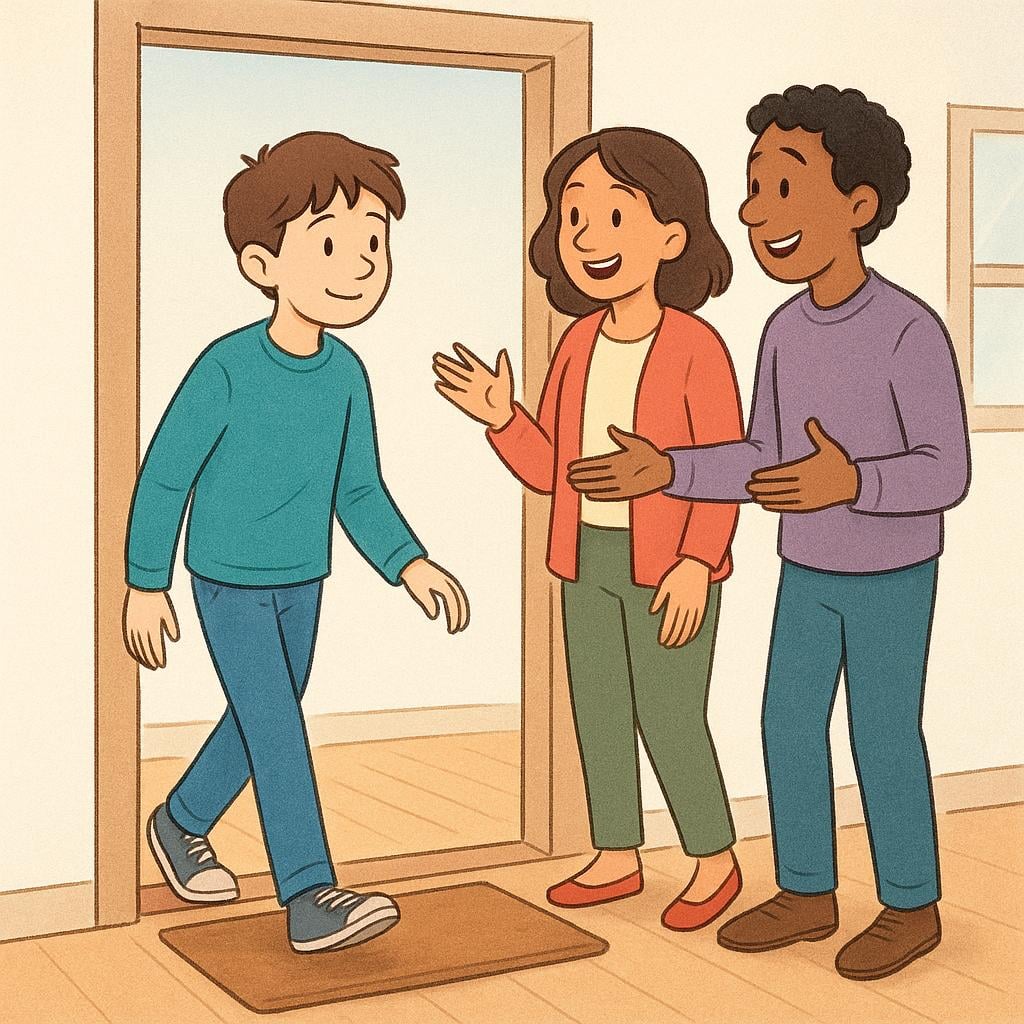
📝 In Action
Me metí en esa conversación sin querer.
B1I got involved in that conversation without meaning to.
Metí la pata al preguntar por su exnovio.
B2I put my foot in my mouth (I messed up) by asking about her ex-boyfriend.
Cuando vi el peligro, me metí corriendo en la casa.
B1When I saw the danger, I ran quickly into the house.


🔄 Conjugations
indicative
present
imperfect
preterite
subjunctive
present
imperfect
Translate to Spanish
✏️ Quick Practice
Quick Quiz: metí
Question 1 of 2
Which sentence uses 'metí' to mean 'I inserted'?
📚 More Resources
👥 Word Family▼
🎵 Rhymes▼
📚 Etymology▼
The Spanish verb 'meter' comes from the Latin verb *mittere*, which originally meant 'to send' or 'to let go.' Over time in Vulgar Latin, its meaning shifted to the idea of 'placing something somewhere,' especially 'putting something inside.'
First recorded: 10th century (in Old Spanish as 'meter')
Cognates (Related words)
💡 Master Spanish
Take your Spanish to the next level. Read 200+ illustrated and narrated Spanish stories tailored to your level with the Inklingo app!
Frequently Asked Questions
What is the difference between 'metí' and 'puse'?
Both mean 'I put,' but 'metí' (from *meter*) specifically means you put something *inside* something else (like a pocket, a box, or a hole). 'Puse' (from *poner*) is more general and means 'I placed' or 'I positioned' (like putting a book on a table).
Why does 'metí' sound like it could be a different word when used in 'metí la pata'?
This is an idiom! While 'metí' just means 'I put in,' the phrase 'meter la pata' has a fixed, figurative meaning of 'to screw up' or 'to make a mistake.' You need to memorize the whole phrase, not just the verb.