muela
“muela” means “molar” in Spanish. It has 3 different meanings depending on context:


molar
Also: back tooth
📝 In Action
Me duele mucho esta muela cuando como dulces.
A1This back tooth hurts a lot when I eat sweets.
El dentista dice que tiene que sacarme la muela de juicio.
A2The dentist says he has to pull my wisdom tooth.
Las muelas sirven para triturar los alimentos.
B1Molars are used to grind down food.
millstone
Also: grindstone
📝 In Action
La muela del molino gira con la fuerza del agua.
B2The mill's grindstone turns with the force of the water.
Antiguamente, las muelas se hacían de piedra volcánica.
C1In the past, millstones were made of volcanic stone.
grind (subjunctive/command)
📝 In Action
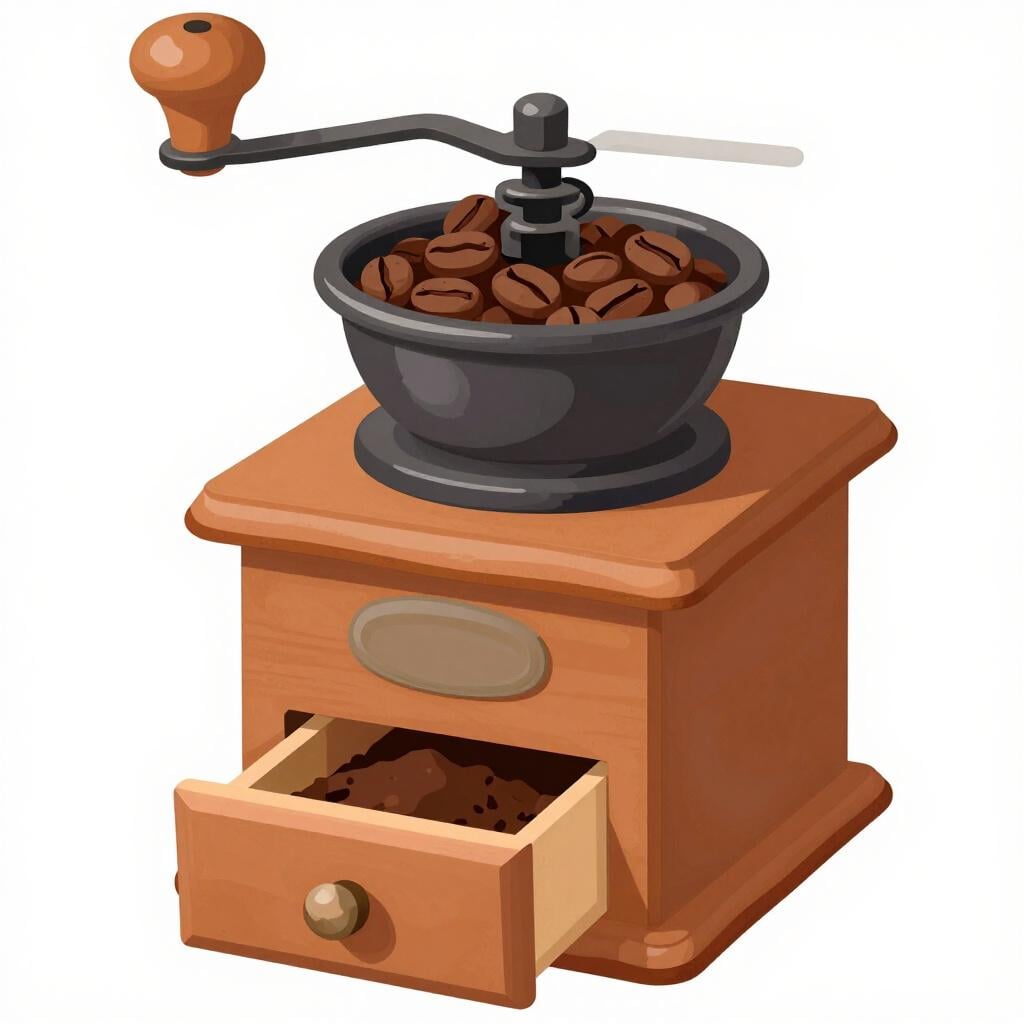
Es importante que la máquina muela el café muy fino.
B1It is important that the machine grinds the coffee very finely.
Señor, muela usted los granos ahora.
B1Sir, grind the beans now.
Subjunctive
Imperfect Subjunctive
Present Subjunctive
Indicative
Preterite
Imperfect
Present
Translate to Spanish
✏️ Quick Practice
Quick Quiz: muela
Question 1 of 3
How do you say 'wisdom tooth' in Spanish?
📚 More Resources
👥 Word Family▼
📚 Etymology▼
From Latin 'mola', which refers to a millstone. The human molar tooth was named this way because its function is to grind food, just like a millstone grinds grain.
First recorded: 13th century
Cognates (Related words)
💡 Master Spanish
Take your Spanish to the next level. Read 200+ illustrated and narrated Spanish stories tailored to your level with the Inklingo app!
Frequently Asked Questions
Do I use 'mi muela' or 'la muela'?
In Spanish, we usually use the definite article (la) when the owner is clear from the sentence, e.g., 'Me duele la muela' instead of 'Me duele mi muela'.
Is 'muela' used for all animals?
Yes, any animal with grinding back teeth has 'muelas'.
Why is the millstone called 'muela'?
Because 'muela' comes from the Latin 'mola' (mill), and both the tooth and the stone share the same job: grinding.