moler
“moler” means “to grind” in Spanish. It has 2 different meanings depending on context:
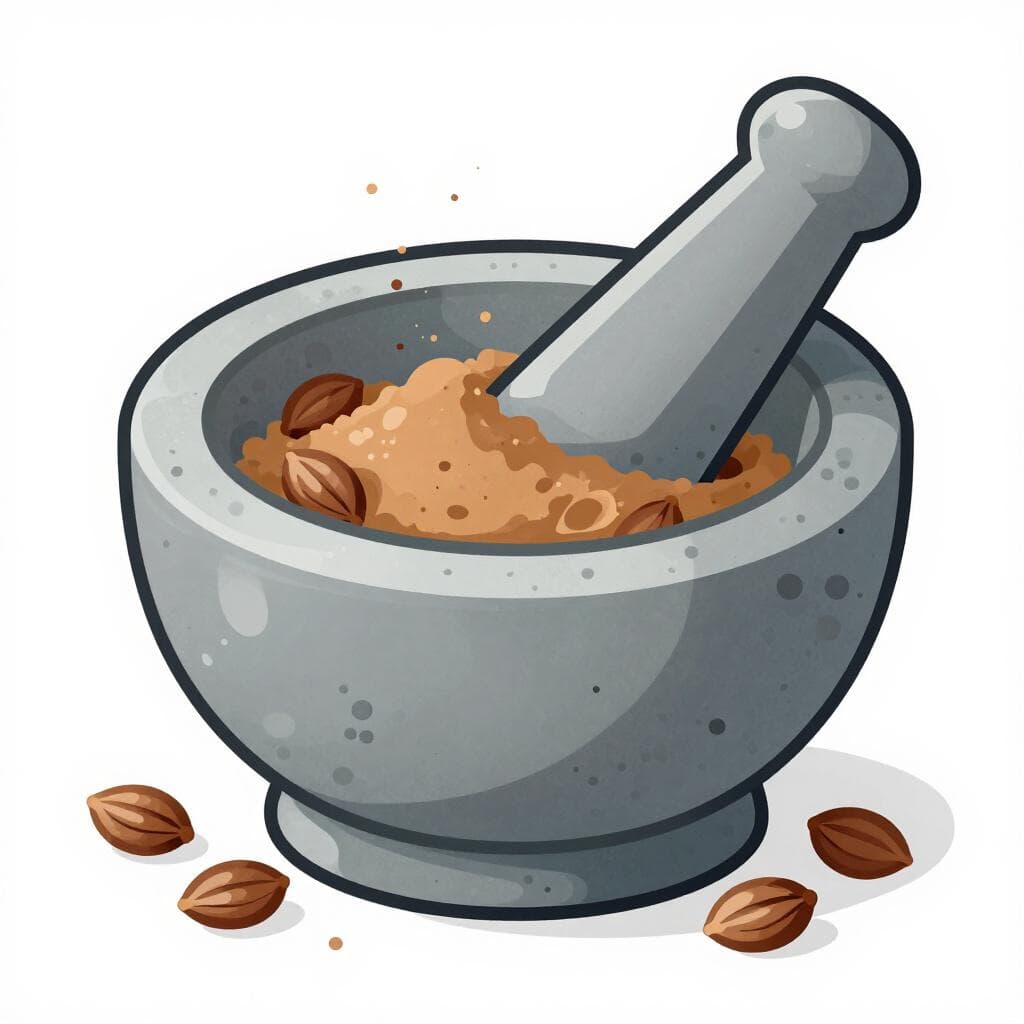

to grind
Also: to mill, to crush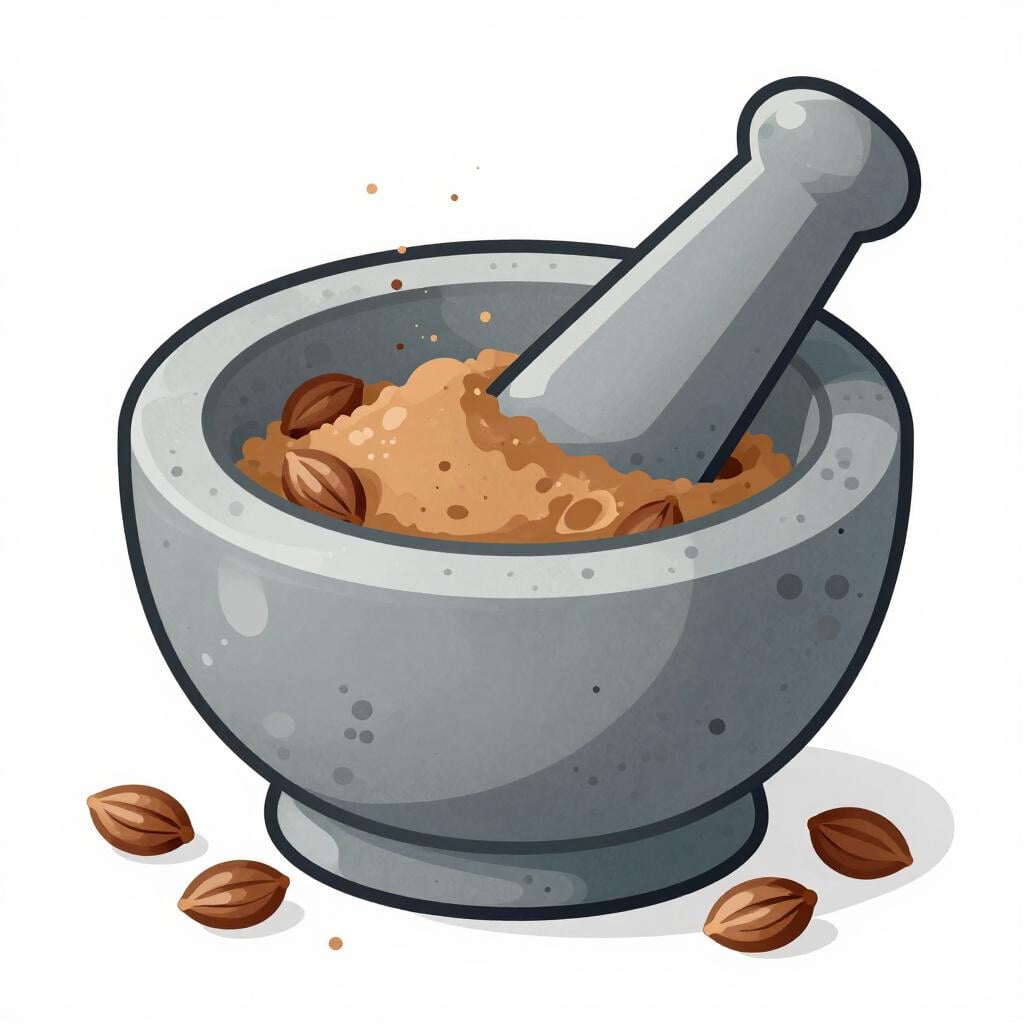
📝 In Action
Necesito moler los granos de café para el desayuno.
A2I need to grind the coffee beans for breakfast.
El antiguo molino muerde el trigo para hacer harina.
B1The old mill grinds the wheat to make flour.
Muele la pimienta directamente sobre la carne.
A2Grind the pepper directly onto the meat.
to exhaust
Also: to pester, to beat up
📝 In Action
Ese partido de fútbol me molió.
B2That soccer game wore me out.
Deja de molerme a preguntas.
B1Stop pestering me with questions.
Estoy molido después de trabajar doce horas.
B1I am exhausted (literally 'ground up') after working twelve hours.
Subjunctive
Imperfect Subjunctive
Present Subjunctive
Indicative
Preterite
Imperfect
Present
Translate to Spanish
✏️ Quick Practice
Quick Quiz: moler
Question 1 of 3
Which form of 'moler' is correct for 'I grind'?
📚 More Resources
👥 Word Family▼
📚 Etymology▼
From the Latin word 'molere', which means to grind or crush grain. This root is shared with many English words related to milling.
First recorded: 10th century
Cognates (Related words)
💡 Master Spanish
Take your Spanish to the next level. Read 200+ illustrated and narrated Spanish stories tailored to your level with the Inklingo app!
Frequently Asked Questions
Does 'moler' always change to 'muel-'?
No. It only changes when the stress falls on that syllable. In the 'nosotros' form (molemos) and 'vosotros' form (moléis), it keeps the 'o'.
What is the difference between 'moler' and 'triturar'?
'Moler' is usually used for turning things into fine powder (like coffee or flour), while 'triturar' is more general for shredding or crushing into smaller pieces.
Can I use 'moler' to say someone is annoying me?
Yes, but it's very informal. You usually use the expression 'moler a...' followed by what is being done, like 'moler a preguntas' (pester with questions).