mueves
“mueves” means “you move” in Spanish. It has 2 different meanings depending on context:
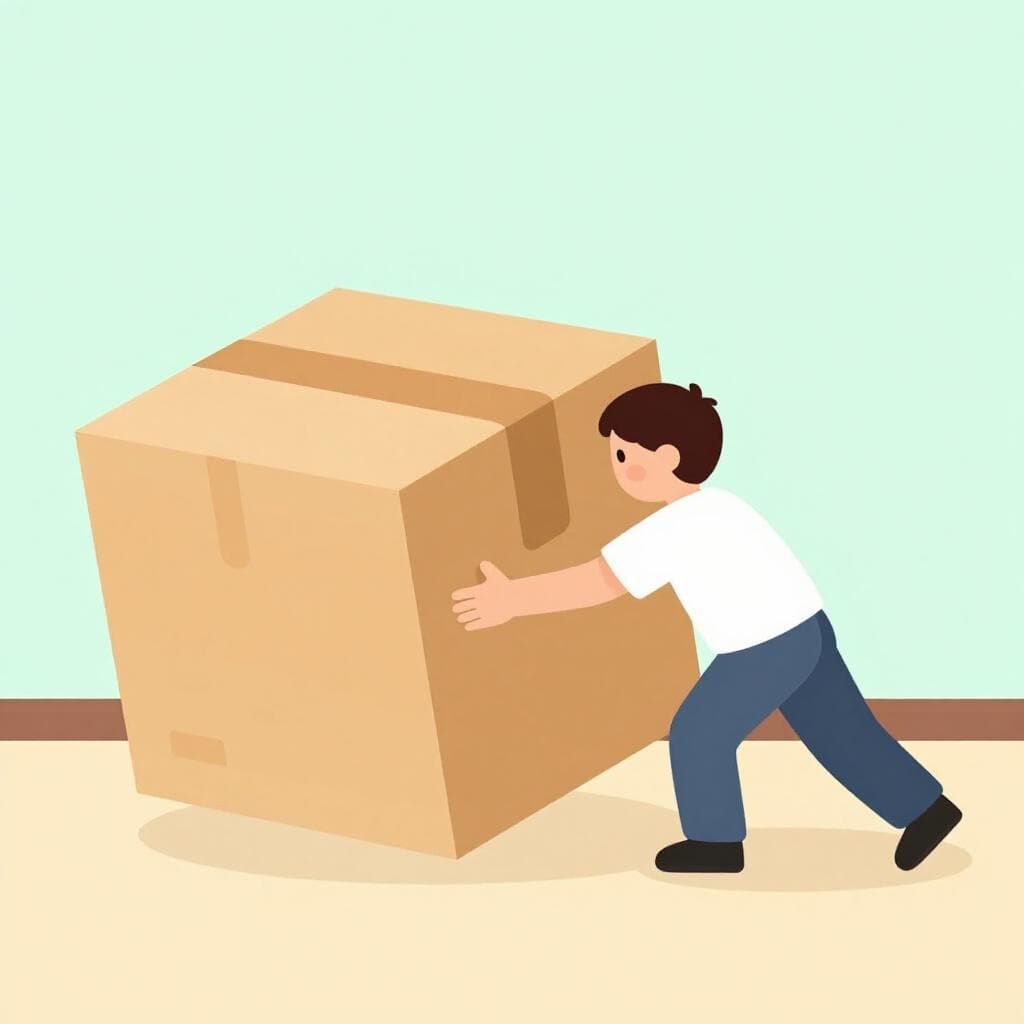

you moveAlso: you are moving, you shake
📝 In Action
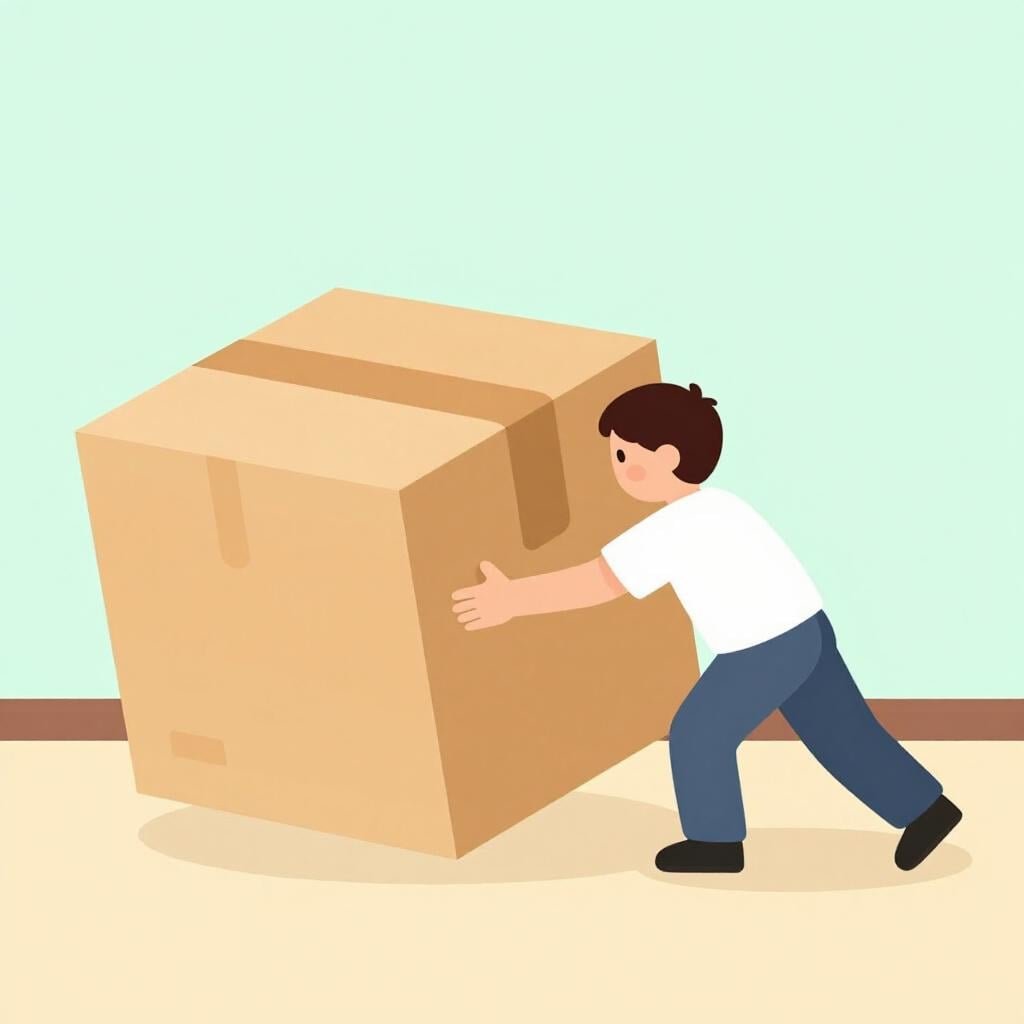
Tú mueves la mesa hacia la ventana.
A1You move the table toward the window.
Si mueves la caja, ten cuidado.
A1If you move the box, be careful.
Word Connections
you touch/inspire

📝 In Action
Con tus palabras, mueves el corazón de la gente.
B1With your words, you touch people's hearts.
Subjunctive
Imperfect Subjunctive
Present Subjunctive
Indicative
Preterite
Imperfect
Present
✏️ Quick Practice
Quick Quiz: mueves
Question 1 of 2
How would you tell a friend, 'You move the chair'?
📚 More Resources
👥 Word Family
🎵 Rhymes
📚 Etymology
Comes from the Latin word 'movere', which means to set in motion or disturb.
First recorded: 13th century
Cognates (Related words)
💡 Master Spanish
Take your Spanish to the next level. Read 200+ illustrated and narrated Spanish stories tailored to your level with the Inklingo app!
Frequently Asked Questions
Is 'mueves' used for moving to a new house?
Not usually. For moving house, Spanish speakers typically use the reflexive verb 'mudarse' (me mudo, te mudas).
Why isn't it 'moves'?
Spanish has many 'stem-changing' verbs. In 'mover', the 'o' splits into 'ue' whenever that part of the word is stressed, which happens in the 'you' (tú) form.