músculo
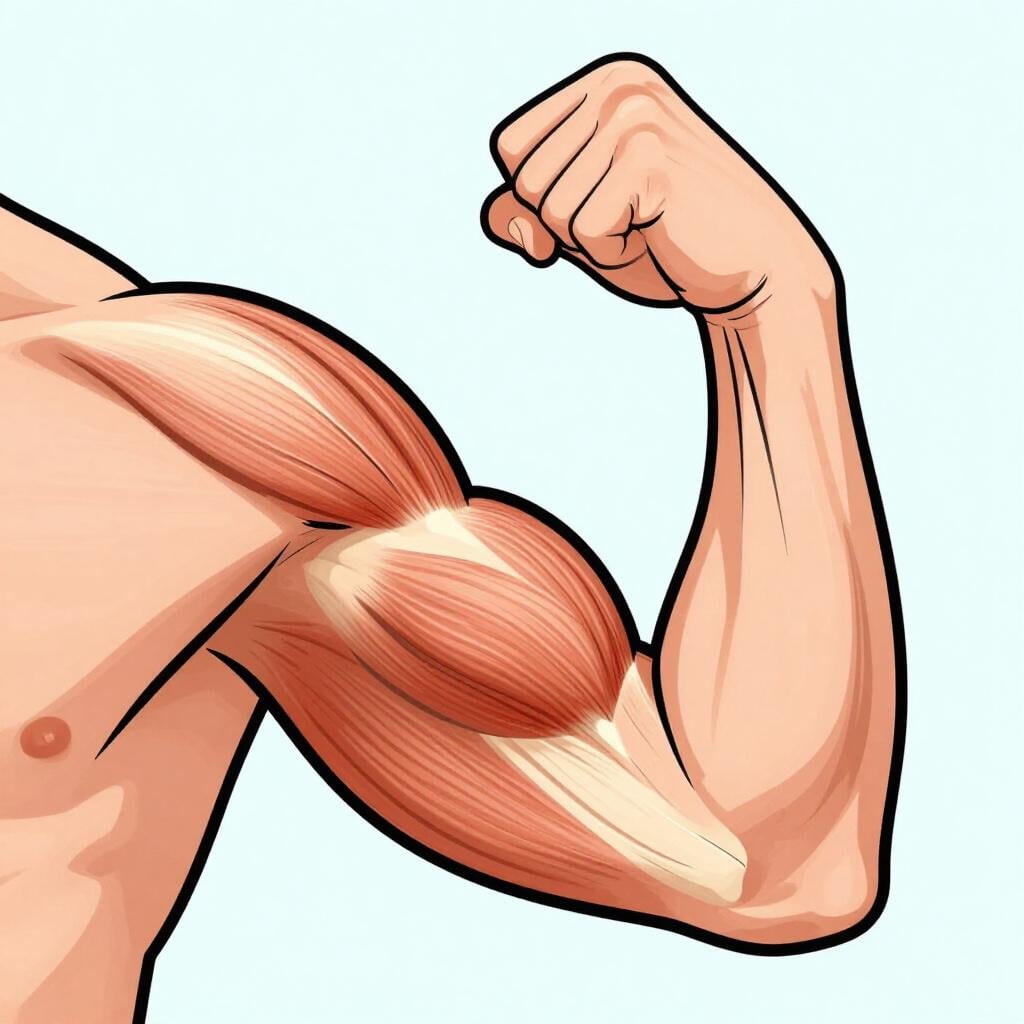
“músculo” means “muscle” in Spanish. It has 2 different meanings depending on context:


muscleAlso: flesh
📝 In Action
Me duele el músculo del brazo después de ir al gimnasio.
A1My arm muscle hurts after going to the gym.
El corazón es el músculo más importante del cuerpo.
A2The heart is the most important muscle in the body.
Tienes que estirar para no lastimarte ningún músculo.
B1You have to stretch so you don't hurt any muscle.
Word Connections
muscle, cloutAlso: strength

📝 In Action
La empresa mostró su músculo financiero con la nueva compra.
B2The company showed its financial muscle with the new purchase.
El partido político usó todo su músculo para ganar las elecciones.
C1The political party used all its clout to win the elections.
Necesitamos más músculo en el departamento de ventas.
B2We need more manpower/strength in the sales department.
Word Connections
✏️ Quick Practice
Quick Quiz: músculo
Question 1 of 3
Which of these phrases means 'to gain muscle'?
📚 More Resources
👥 Word Family
🎵 Rhymes
📚 Etymology
From the Latin word 'musculus', which literally means 'little mouse'. Ancient people thought that muscles moving under the skin looked like small mice running around.
First recorded: 13th century
Cognates (Related words)
💡 Master Spanish
Take your Spanish to the next level. Read 200+ illustrated and narrated Spanish stories tailored to your level with the Inklingo app!
Frequently Asked Questions
Is 'músculo' masculine or feminine?
It is always masculine: 'el músculo' or 'los músculos'.
Do I always need the accent mark on 'músculo'?
Yes, in the noun form it always requires the accent on the first 'u' because it is an 'esdrújula' word (stressed on the third-to-last syllable).
Can I use 'músculo' to describe someone who is strong?
Usually, we use the adjective 'musculoso' to describe a person, but you can say 'es puro músculo' to mean they are very fit.