neumático
“neumático” means “tire” in Spanish. It has 2 different meanings depending on context:

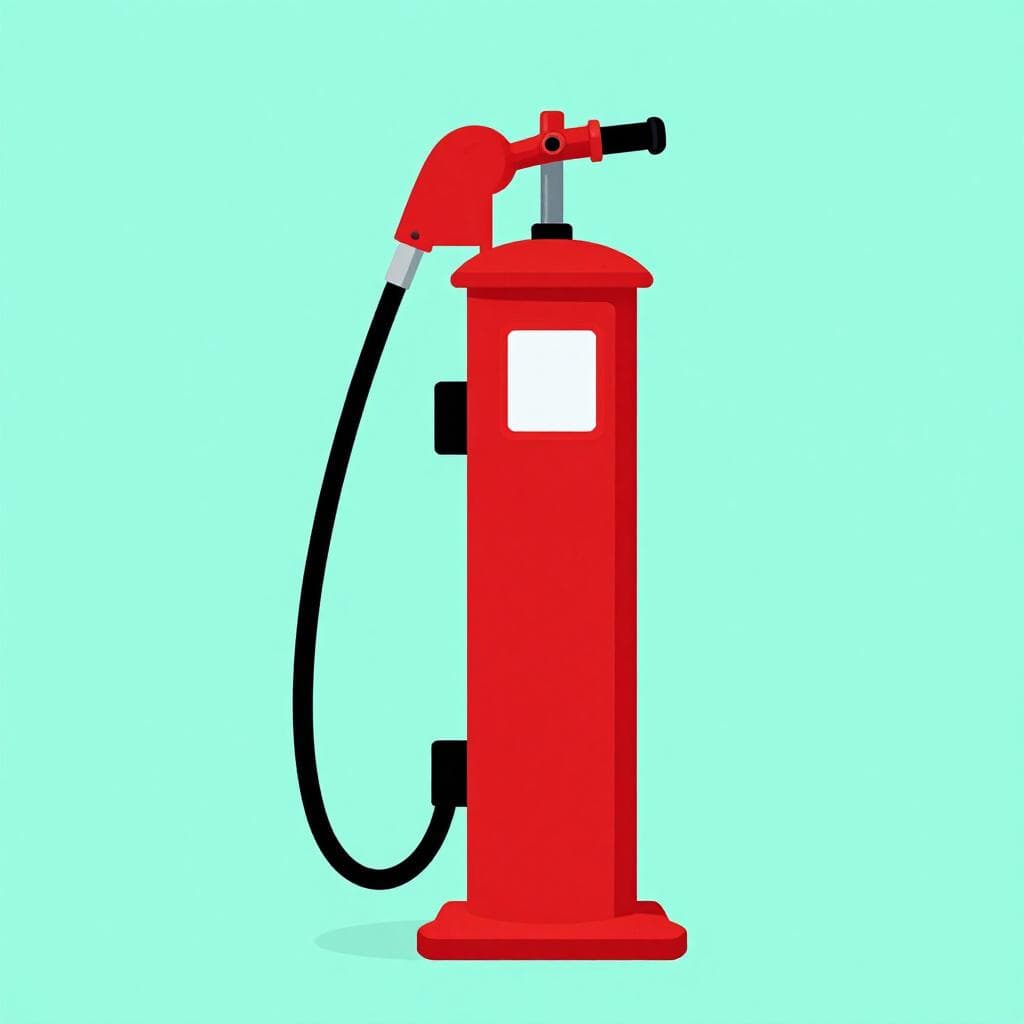
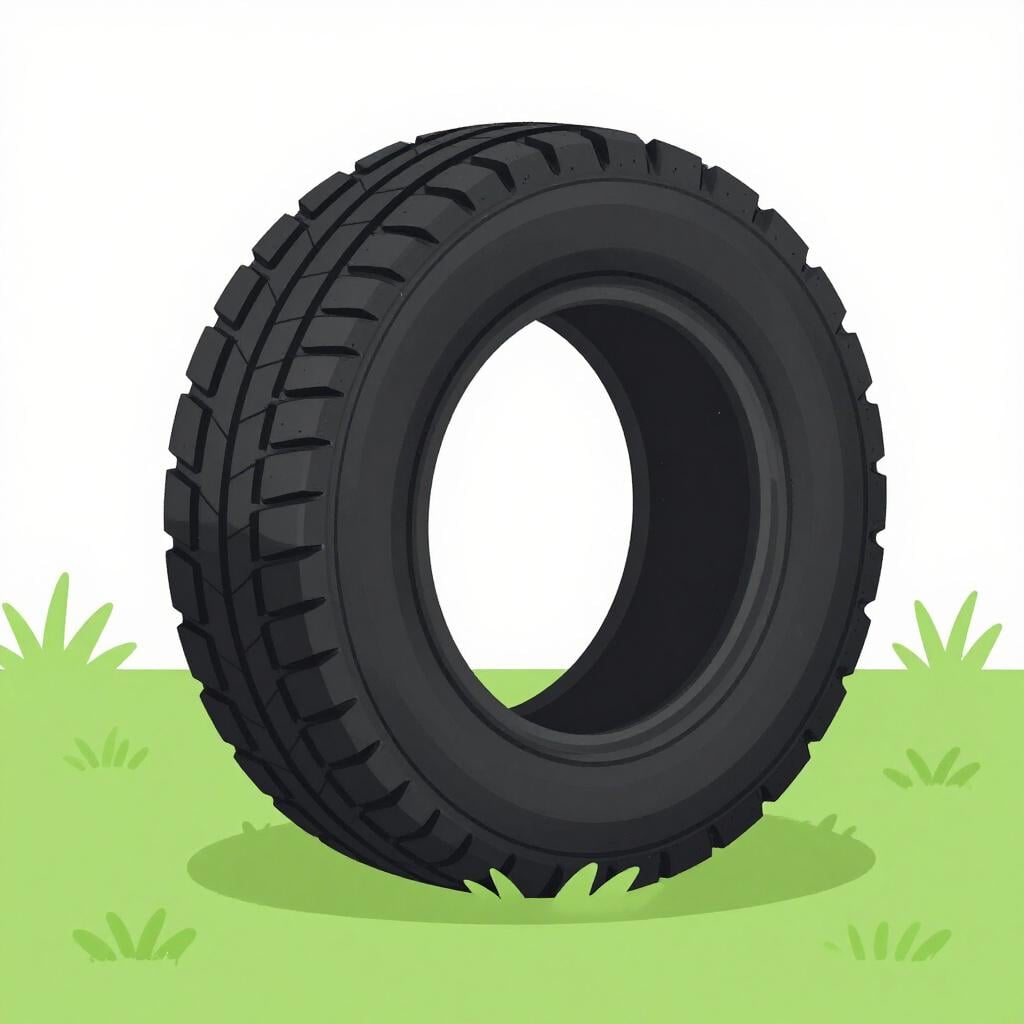
tireAlso: tyre
📝 In Action
Tengo que cambiar el neumático delantero de mi bicicleta.
A2I have to change the front tire of my bicycle.
Es importante revisar la presión de los neumáticos antes de un viaje largo.
B1It is important to check the tire pressure before a long trip.
El coche patinó porque los neumáticos estaban muy desgastados.
B2The car skidded because the tires were very worn out.
Word Connections
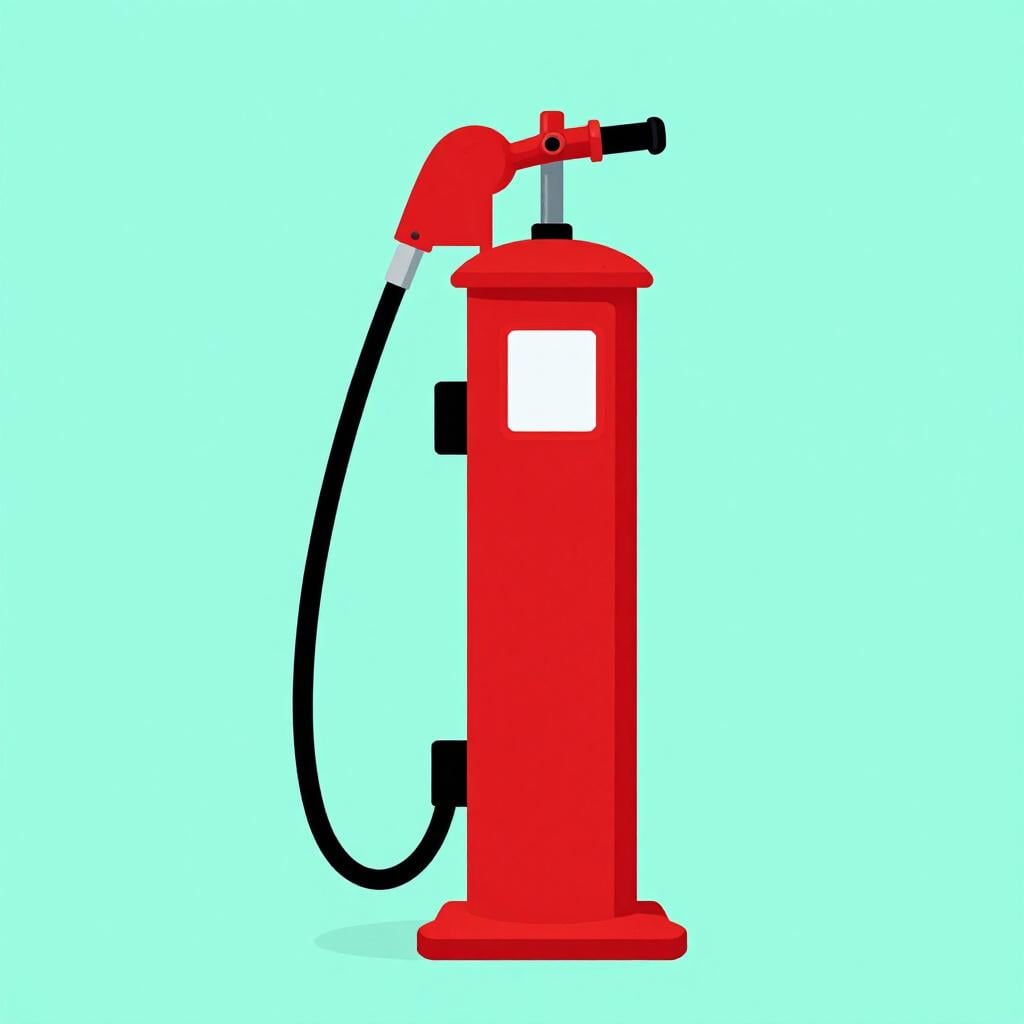
pneumaticAlso: air-powered
📝 In Action
El mecánico usa un taladro neumático.
B1The mechanic uses a pneumatic drill.
El autobús tiene un sistema de frenos neumático.
B2The bus has a pneumatic braking system.
Las puertas del tren son de cierre neumático.
C1The train doors are pneumatic-closing.
Word Connections
Translate to Spanish
Words that translate to "neumático" in Spanish:
✏️ Quick Practice
Quick Quiz: neumático
Question 1 of 3
If you have a flat tire in a Spanish garage, what should you ask for?
📚 More Resources
👥 Word Family
🎵 Rhymes
📚 Etymology
From the Greek word 'pneumatikos,' which means 'relating to wind or air.' It traveled through Latin as 'pneumaticus' before becoming Spanish.
First recorded: 19th century (in the modern mechanical sense)
Cognates (Related words)
💡 Master Spanish
Take your Spanish to the next level. Read 200+ illustrated and narrated Spanish stories tailored to your level with the Inklingo app!
Frequently Asked Questions
What is the difference between 'rueda' and 'neumático'?
A 'rueda' is the entire wheel assembly (including the metal parts), while 'neumático' refers specifically to the rubber tire that touches the road.
Is it okay to use 'goma' to mean tire?
Yes, in many countries 'goma' is a very common, informal way to refer to the tires of a car because they are made of rubber.
How do you say 'flat tire' in Spanish?
You can say 'un neumático pinchado' (a punctured tire) or simply 'un pinchazo'.