obsesionar
“obsesionar” means “to obsess” in Spanish. It has 2 different meanings depending on context:
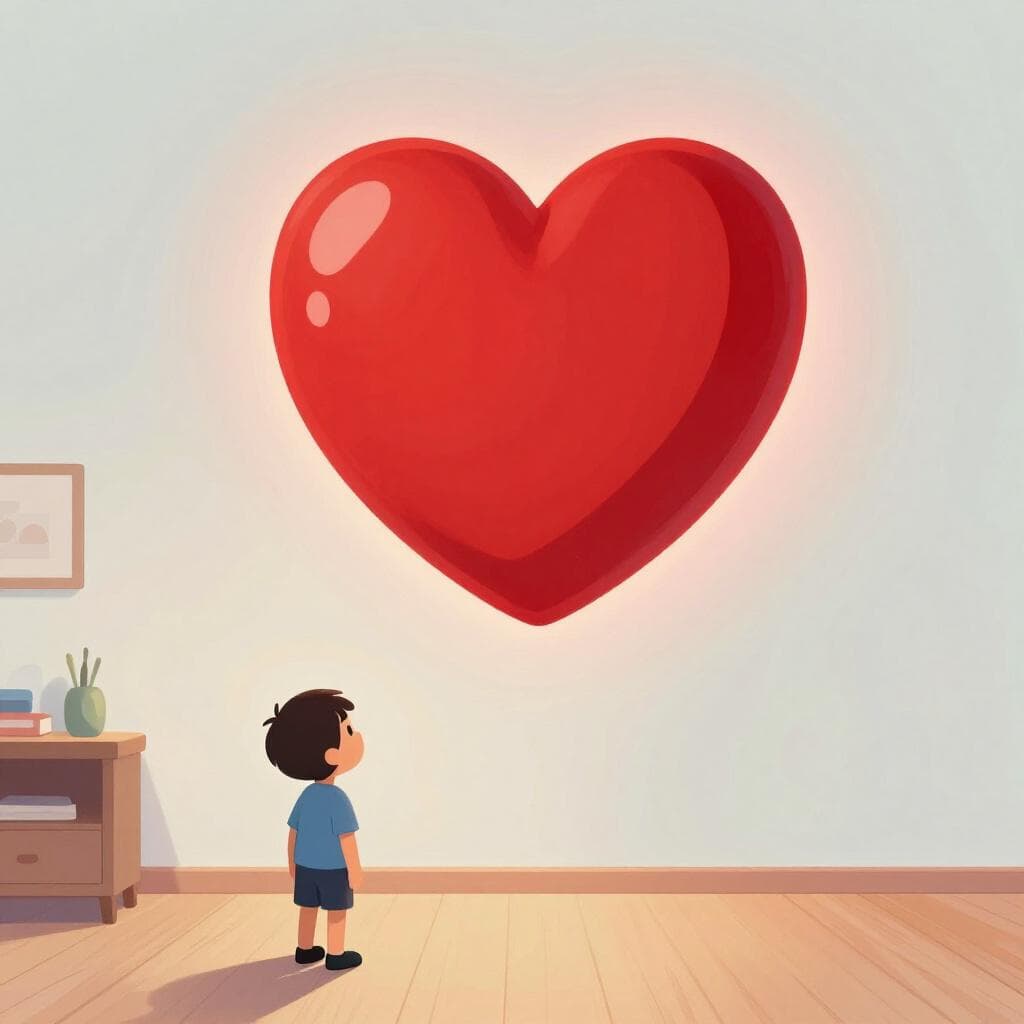

to obsessAlso: to haunt, to preoccupy

📝 In Action
Ese problema me obsesiona y no puedo dormir.
B1That problem obsesses me and I can't sleep.
La idea de fracasar lo obsesiona desde hace meses.
B2The idea of failing has haunted him for months.
No dejes que el pasado te obsesione tanto.
C1Don't let the past preoccupy you so much.
Word Connections
to become obsessedAlso: to get hung up on

📝 In Action
No te obsesiones con los detalles.
B1Don't get obsessed with the details.
Ella se obsesionó con la limpieza de la casa.
B2She became obsessed with the cleanliness of the house.
Es fácil obsesionarse con las redes sociales.
B2It is easy to get obsessed with social media.
Word Connections
Subjunctive
Imperfect Subjunctive
Present Subjunctive
Indicative
Preterite
Imperfect
Present
Translate to Spanish
Words that translate to "obsesionar" in Spanish:
✏️ Quick Practice
Quick Quiz: obsesionar
Question 1 of 3
Which sentence means 'I am obsessed with my car'?
📚 More Resources
👥 Word Family
📚 Etymology
From the Latin 'obsidere,' meaning 'to besiege' or 'to sit in front of.' It conveys the idea of a thought sitting outside your mind like an army, refusing to leave.
First recorded: 17th century
Cognates (Related words)
💡 Master Spanish
Take your Spanish to the next level. Read 200+ illustrated and narrated Spanish stories tailored to your level with the Inklingo app!
Frequently Asked Questions
Is 'obsesionar' always a bad thing?
Not necessarily. While it often implies a negative fixation, it can be used to describe a deep passion for a hobby or project, though it still suggests a level of intensity that is hard to control.
What is the difference between 'obsesionar' and 'preocupar'?
'Preocupar' just means to worry. 'Obsesionar' is much stronger; it means the thought is constantly present and you can't get rid of it.
Can I use 'obsesionado' as an adjective?
Yes! You can say 'Estoy obsesionado con esta serie' (I am obsessed with this series).