otoño
“otoño” means “autumn” in Spanish (the season between summer and winter).
autumn, fall
📝 In Action
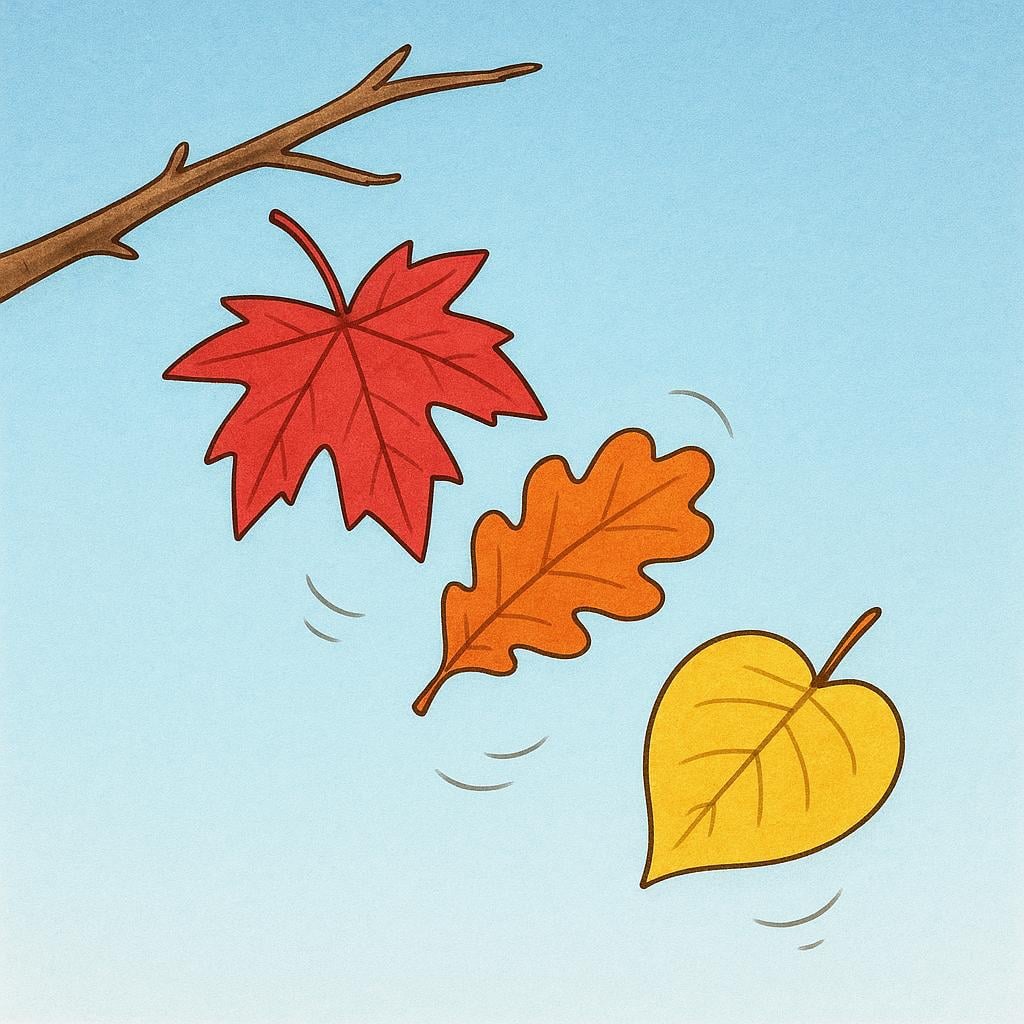
Mi estación favorita es el otoño porque me encanta ver las hojas cambiar de color.
A2My favorite season is autumn because I love watching the leaves change color.
En el otoño, el clima empieza a ser más fresco.
A1In the fall, the weather starts to get cooler.
Vamos a viajar al norte este próximo otoño.
A1We are going to travel north this coming autumn.
Translate to Spanish
Words that translate to "otoño" in Spanish:
autumn→✏️ Quick Practice
Quick Quiz: otoño
Question 1 of 2
Which sentence correctly uses 'otoño'?
📚 More Resources
👥 Word Family▼
🎵 Rhymes▼
📚 Etymology▼
The word comes directly from the Latin word *autumnus*. Over time, the Latin 'm' sound softened and merged with the 'n' to create the unique 'ñ' sound we hear in Spanish today, but the core meaning of the season remains the same.
First recorded: Around the 13th century in written Spanish
Cognates (Related words)
💡 Master Spanish
Take your Spanish to the next level. Read 200+ illustrated and narrated Spanish stories tailored to your level with the Inklingo app!
Frequently Asked Questions
Is 'otoño' masculine or feminine?
'Otoño' is always masculine. Remember 'El otoño' (The autumn).
How do you say 'autumn leaves'?
The most common and simple way is 'hojas de otoño' (literally, leaves of autumn).