paradero
“paradero” means “whereabouts” in Spanish. It has 2 different meanings depending on context:
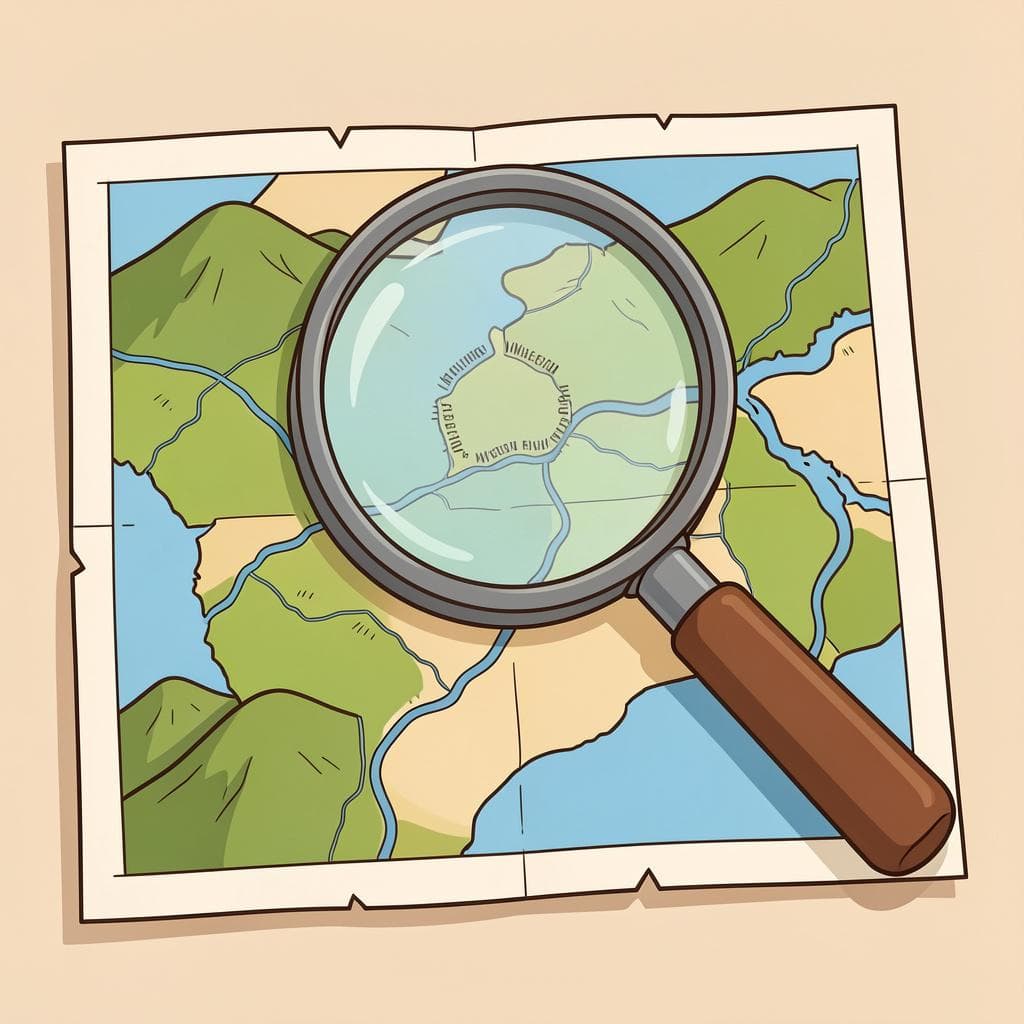
whereabouts
Also: location
📝 In Action
La policía todavía busca el paradero del coche robado.
B1The police are still looking for the whereabouts of the stolen car.
Nadie conoce su paradero desde el martes.
A2Nobody knows his whereabouts since Tuesday.
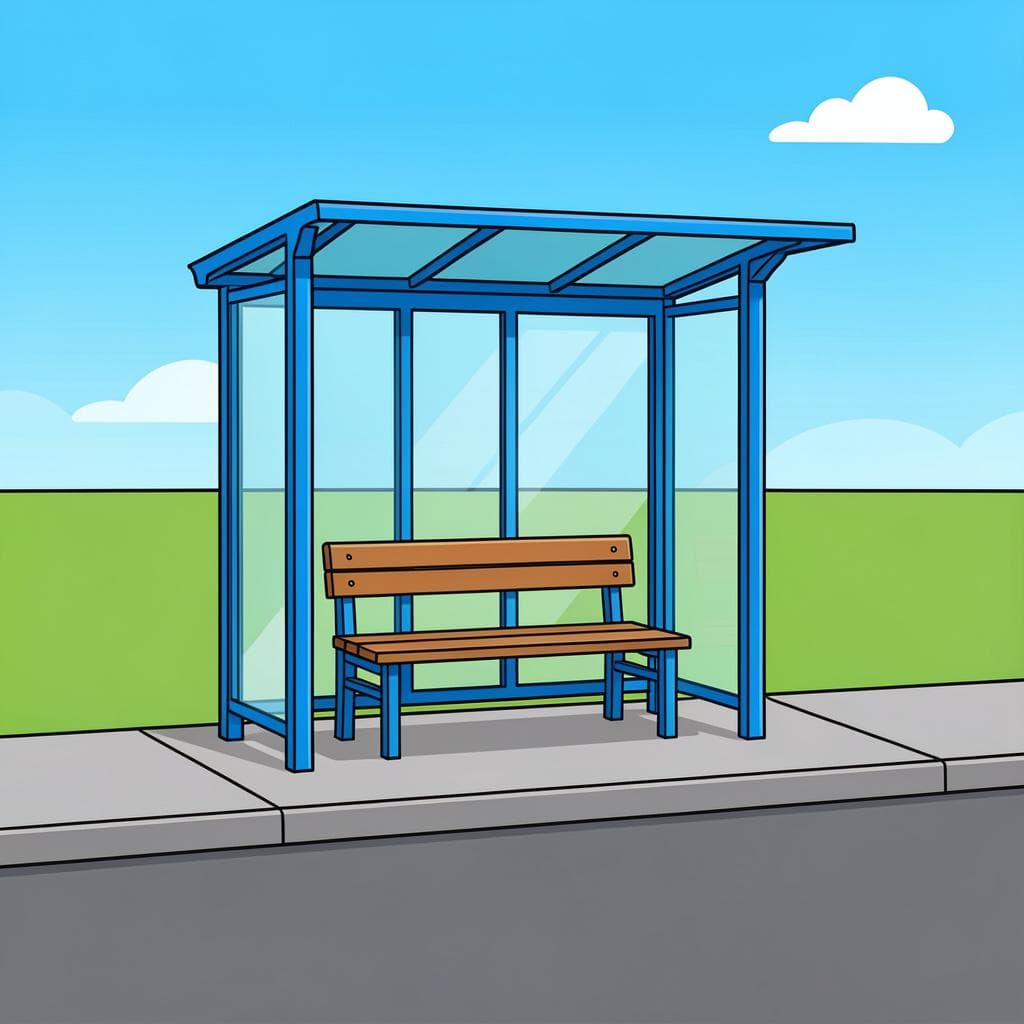
bus stop
Also: stopping place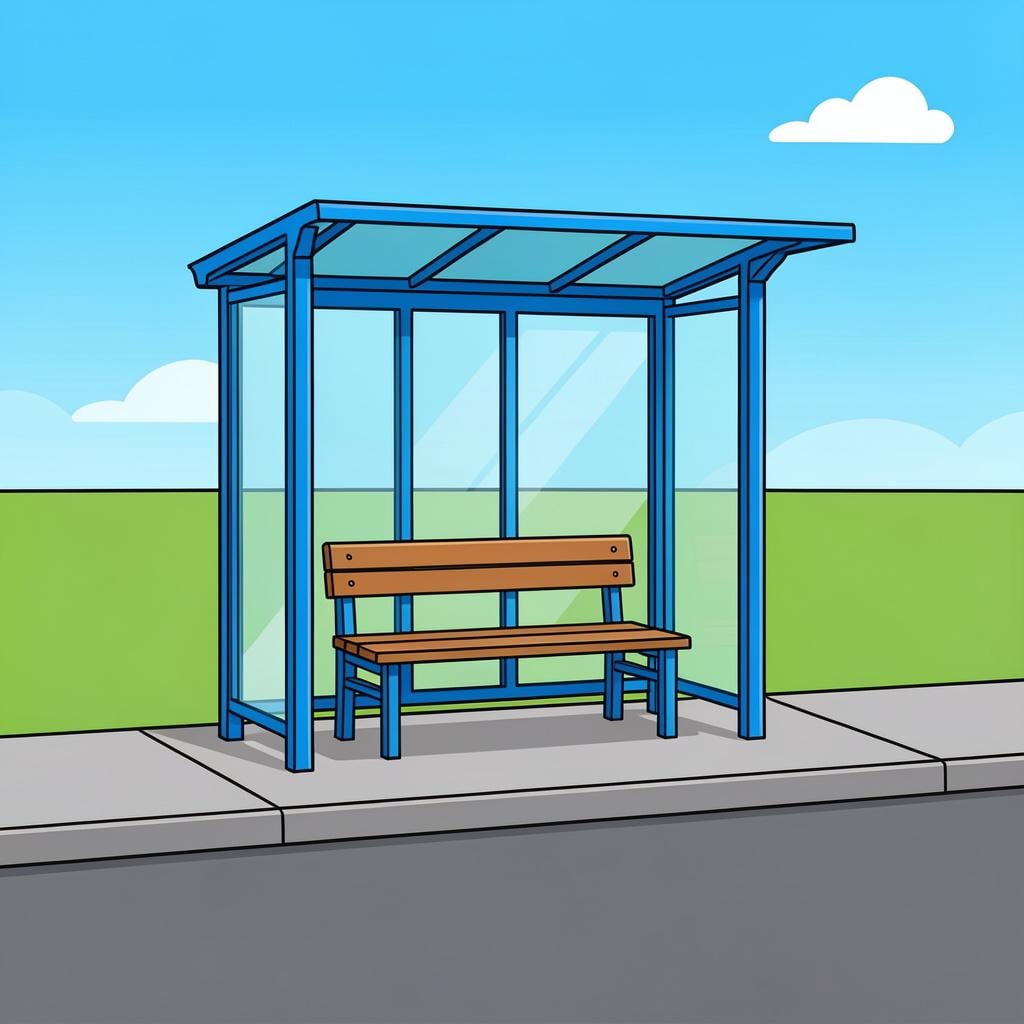
📝 In Action
Bájate en el próximo paradero.
A2Get off at the next bus stop.
Hay mucha gente esperando en el paradero.
A1There are many people waiting at the bus stop.
Translate to Spanish
✏️ Quick Practice
Quick Quiz: paradero
Question 1 of 2
If a detective is looking for a thief's 'paradero', what are they looking for?
📚 More Resources
📚 Etymology▼
From the Spanish verb 'parar' (to stop), which comes from the Latin 'parare' (to prepare or halt). It literally refers to the place where one 'stops' or ends their journey.
First recorded: 13th century
Cognates (Related words)
💡 Master Spanish
Take your Spanish to the next level. Read 200+ illustrated and narrated Spanish stories tailored to your level with the Inklingo app!
Frequently Asked Questions
Can I use 'paradero' for a train station?
Generally, no. 'Paradero' is used for bus stops or informal stopping points. For a train station, 'estación' is the correct word.
Is 'paradero' used for inanimate objects?
Yes! You can talk about the 'paradero' of a lost set of keys or a missing package.