How to Say "location" in Spanish
The most common Spanish word for “location” is “lugar” — use this for a general, non-specific area or spot where something can be found or done.


lugar
loo-GARluˈɡaɾ
Examples
Este es un buen lugar para un pícnic.
This is a good place for a picnic.
¿Cuál es tu lugar favorito en la ciudad?
What is your favorite place in the city?
Busco un lugar tranquilo para leer.
I'm looking for a quiet place to read.
Always 'el lugar'
'Lugar' is a masculine word, so you'll always use 'el' or 'un' with it, not 'la' or 'una'. For example, 'el lugar es bonito' (the place is beautiful).
Confusing 'lugar' and 'sitio'
Mistake: “Using them in ways that aren't interchangeable.”
Correction: For a general 'place,' 'lugar' and 'sitio' are often synonyms. You can say 'un buen lugar para comer' or 'un buen sitio para comer'. Both are perfect!
ubicación
Examples
Necesito la ubicación exacta de la tienda.
I need the exact location of the store.
posición
Examples
Por favor, mantén la misma posición para la foto.
Please, keep the same position for the photo.
localización
Examples
Envíame tu localización por WhatsApp.
Send me your location via WhatsApp.
situación
Examples
La situación del hotel es perfecta, justo en el centro.
The location of the hotel is perfect, right in the center.
coordenada
ko-or-deh-nah-dahkooɾðeˈnaða
Examples
Introduce las coordenadas en el GPS para encontrar la casa.
Enter the coordinates into the GPS to find the house.
El barco envió sus coordenadas antes de la tormenta.
The ship sent its coordinates before the storm.
Necesito la coordenada X para completar la gráfica.
I need the X coordinate to complete the graph.
Always Feminine
Even though it relates to numbers, 'coordenada' is always a feminine word. Use 'la' or 'las'.
Singular vs. Plural
In English, we almost always say 'coordinates' (plural). In Spanish, you can use 'la coordenada' for one specific value (like just the latitude) or 'las coordenadas' for the whole set.
Coordenada vs. Coordinada
Mistake: “Me gusta tener mi agenda bien coordenada.”
Correction: Me gusta tener mi agenda bien coordinada.
paradero
pah-rah-DEH-rohpaɾaˈðeɾo
Examples
La policía todavía busca el paradero del coche robado.
The police are still looking for the whereabouts of the stolen car.
Nadie conoce su paradero desde el martes.
Nobody knows his whereabouts since Tuesday.
Always Masculine
This word is always masculine ('el paradero'), even if you are talking about the whereabouts of a woman or a group.
Paradero vs. Parada
Mistake: “Using 'parada' to mean whereabouts.”
Correction: Use 'paradero' for where someone is located; use 'parada' for the physical act of stopping or a bus stop.
escena
es-SEH-nahesˈsena
Examples
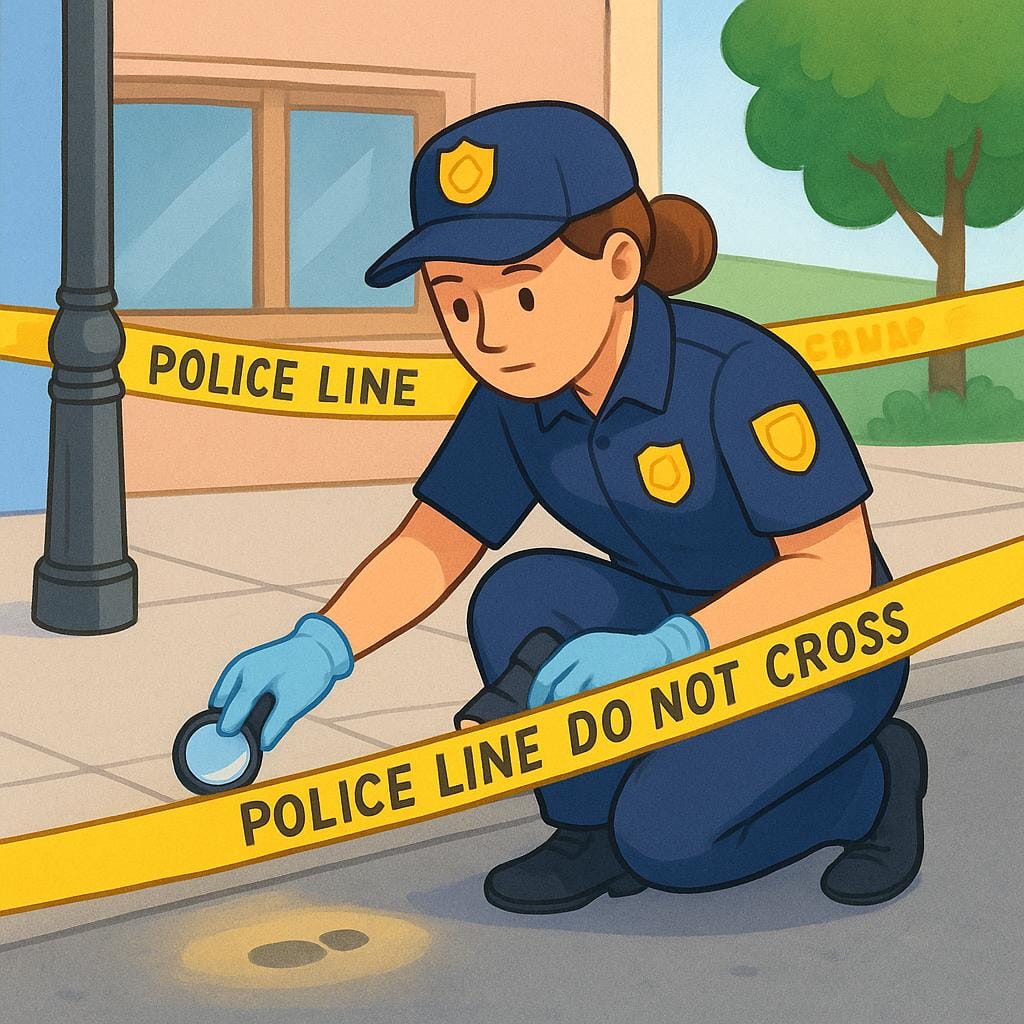
La policía llegó a la escena del crimen para investigar.
The police arrived at the crime scene to investigate.
Los paramédicos fueron los primeros en llegar a la escena del accidente.
The paramedics were the first to arrive at the scene of the accident.
set
sehtset

Examples
El director pidió silencio absoluto en el set de grabación.
The director requested absolute silence on the filming set.
Terminamos la escena y desmontaron todo el set.
We finished the scene and they dismantled the entire set.
Context is Key
When talking about movies or TV, 'set' refers to the physical place where the action happens, making it distinct from the sports meaning.
Choosing Between Lugar, Ubicación, and Localización
Related Translations
Learn Spanish with Inklingo
Interactive stories, personalized learning, and more.