pedimos
“pedimos” means “we ask for” in Spanish. It has 2 different meanings depending on context:
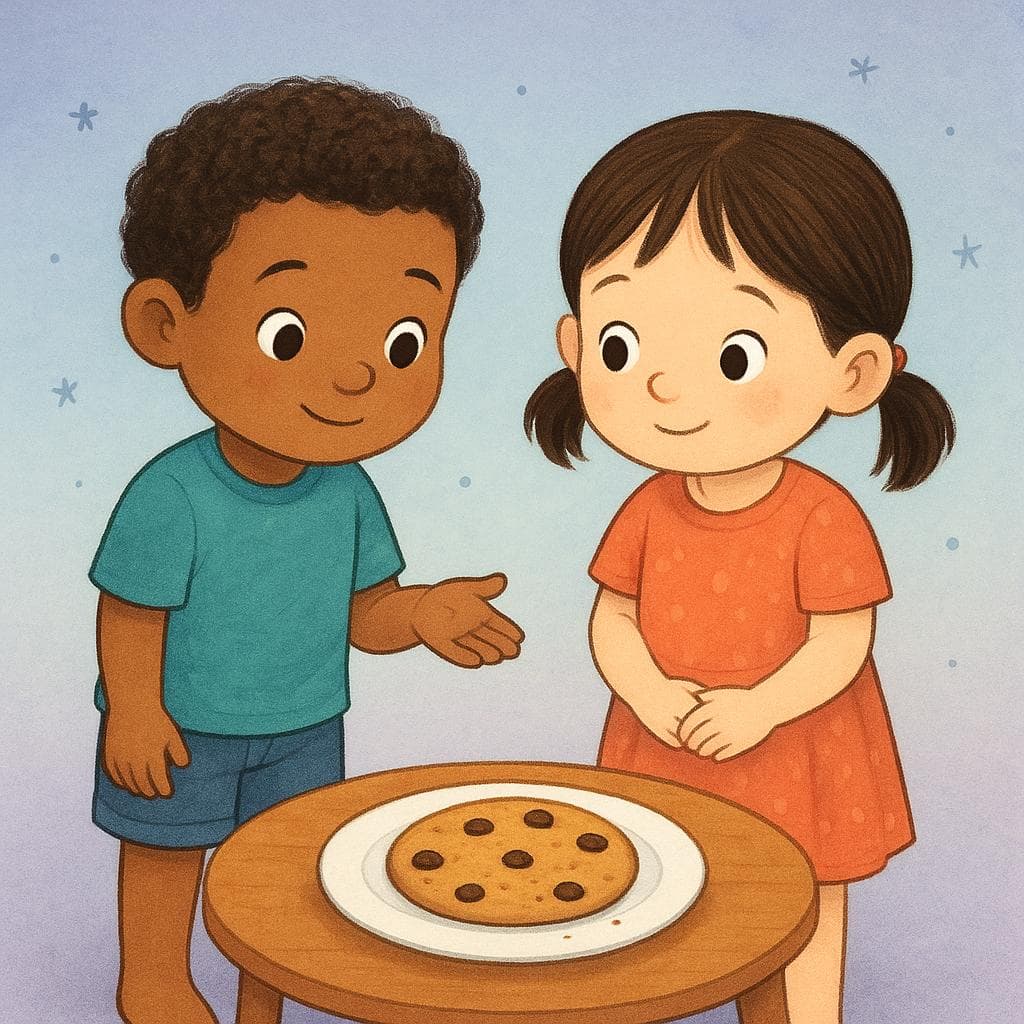

we ask for, we requestAlso: we order

📝 In Action
Pedimos la cuenta ahora, por favor.
A1We ask for the check now, please.
Siempre pedimos ayuda cuando no entendemos la tarea.
A2We always ask for help when we don't understand the homework.
¿Qué pedimos de postre?
A1What are we ordering for dessert?
Word Connections
we asked for, we orderedAlso: we requested

📝 In Action
Ayer pedimos demasiada comida en el restaurante.
A2Yesterday we ordered too much food at the restaurant.
Pedimos permiso a nuestros padres antes de salir.
B1We asked our parents for permission before going out.
Hace una semana pedimos un préstamo al banco.
B2A week ago we requested a loan from the bank.
Word Connections
Indicative
Present
Imperfect
Preterite
Subjunctive
Present Subjunctive
Imperfect Subjunctive
Translate to Spanish
Words that translate to "pedimos" in Spanish:
✏️ Quick Practice
Quick Quiz: pedimos
Question 1 of 2
Which sentence uses 'pedimos' to mean an action that finished completely yesterday?
📚 More Resources
👥 Word Family
📚 Etymology
Comes from the Latin verb *petere*, which meant 'to seek, aim for, or request.' This root is the source of many English words like 'petition' and 'compete,' showing that the core idea of seeking something is very old.
First recorded: Around the 10th century in early Romance languages.
Cognates (Related words)
💡 Master Spanish
Take your Spanish to the next level. Read 200+ illustrated and narrated Spanish stories tailored to your level with the Inklingo app!
Frequently Asked Questions
How do I know if 'pedimos' means 'we ask' (Present) or 'we asked' (Past)?
You rely on context! If the sentence includes a time word like 'hoy' (today) or describes a habit, it's Present. If it includes 'ayer' (yesterday) or refers to a single, completed event, it's Past.
Is 'pedir' the same as 'preguntar'?
No. 'Pedir' means to ask *for* something physical, like an object, a service, or permission. 'Preguntar' means to ask *a question* or to ask *for information*.