perdonarme
“perdonarme” means “to forgive me” in Spanish (asking someone else for forgiveness).
to forgive me
Also: to forgive myself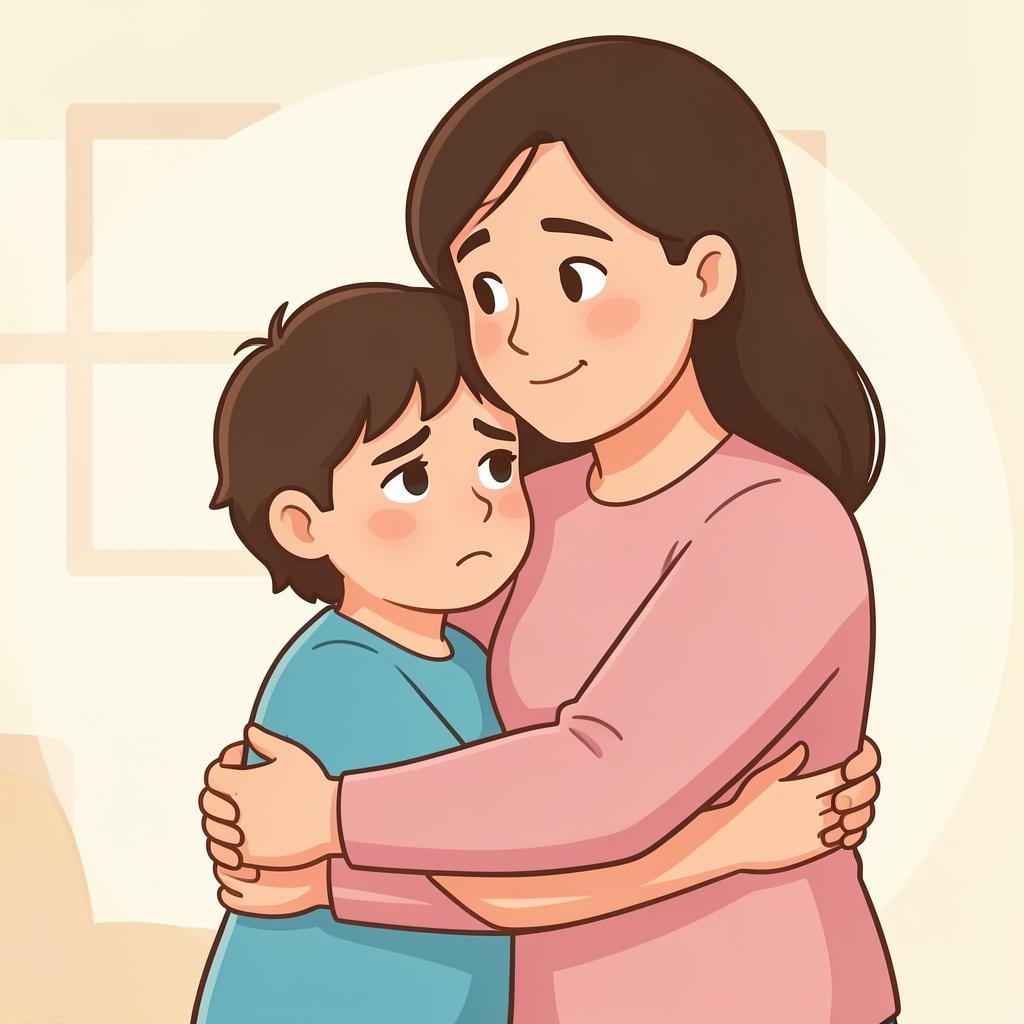
📝 In Action
¿Puedes perdonarme?
A1Can you forgive me?
Necesito perdonarme por lo que pasó.
B1I need to forgive myself for what happened.
Es difícil perdonarme después de cometer ese error.
B2It is hard to forgive myself after making that mistake.
🔄 Conjugations
subjunctive
imperfect
present
indicative
preterite
imperfect
present
✏️ Quick Practice
Quick Quiz: perdonarme
Question 1 of 1
How do you say 'You have to forgive me' in Spanish?
📚 More Resources
👥 Word Family▼
🎵 Rhymes▼
📚 Etymology▼
From the Spanish verb 'perdonar' (to forgive) combined with the pronoun 'me'. 'Perdonar' comes from Latin 'per-' (thoroughly) and 'donare' (to give), literally meaning 'to give up a debt or guilt entirely'.
First recorded: 13th century (base verb)
Cognates (Related words)
💡 Master Spanish
Take your Spanish to the next level. Read 200+ illustrated and narrated Spanish stories tailored to your level with the Inklingo app!
Frequently Asked Questions
Is 'perdonarme' the same as 'disculparme'?
They are very similar, but 'perdonarme' is deeper. You use 'perdonarme' for big things (like hurting someone's feelings), and 'disculparme' for smaller things (like being late).
Why is the 'me' at the end?
In Spanish, when a verb is in its basic 'to' form (like perdonar), any small words describing who the action is for (like 'me') must be attached to the tail of the word.