perla
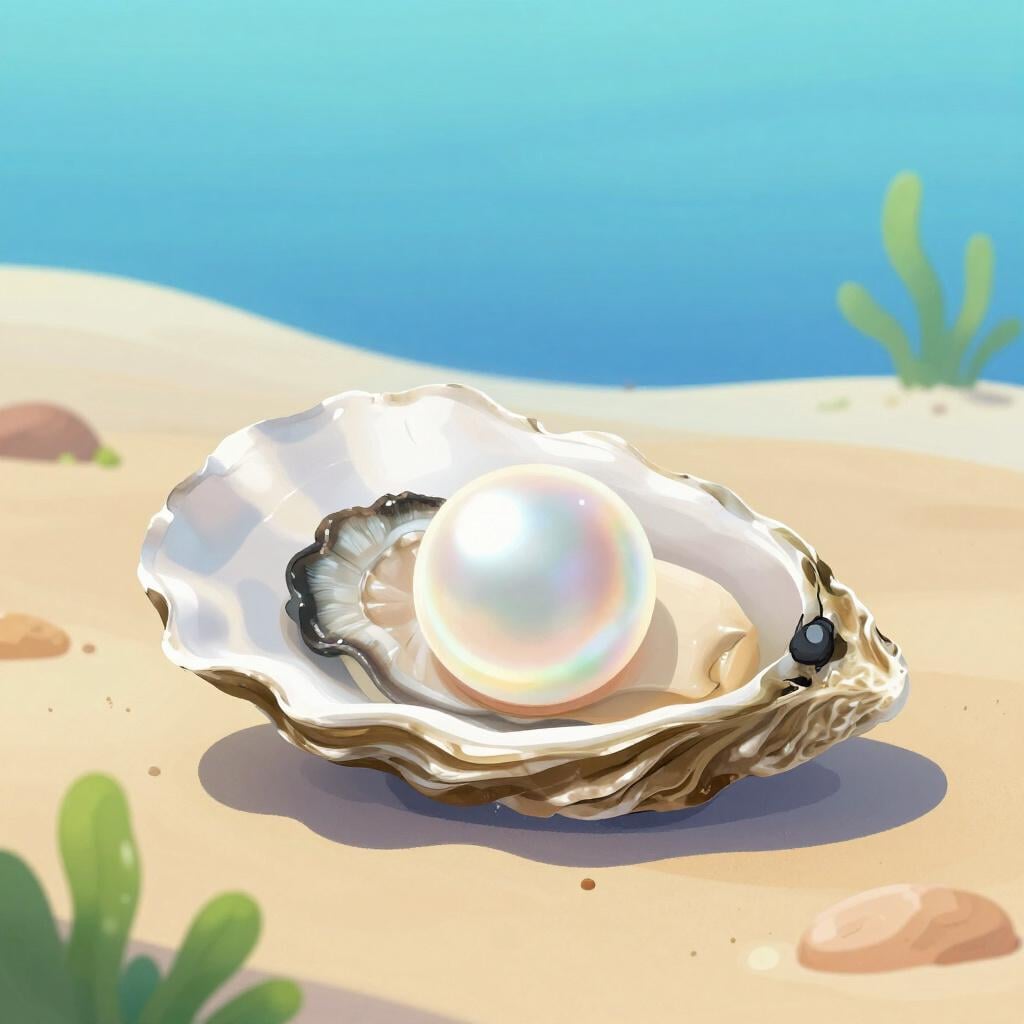
“perla” means “pearl” in Spanish. It has 2 different meanings depending on context:
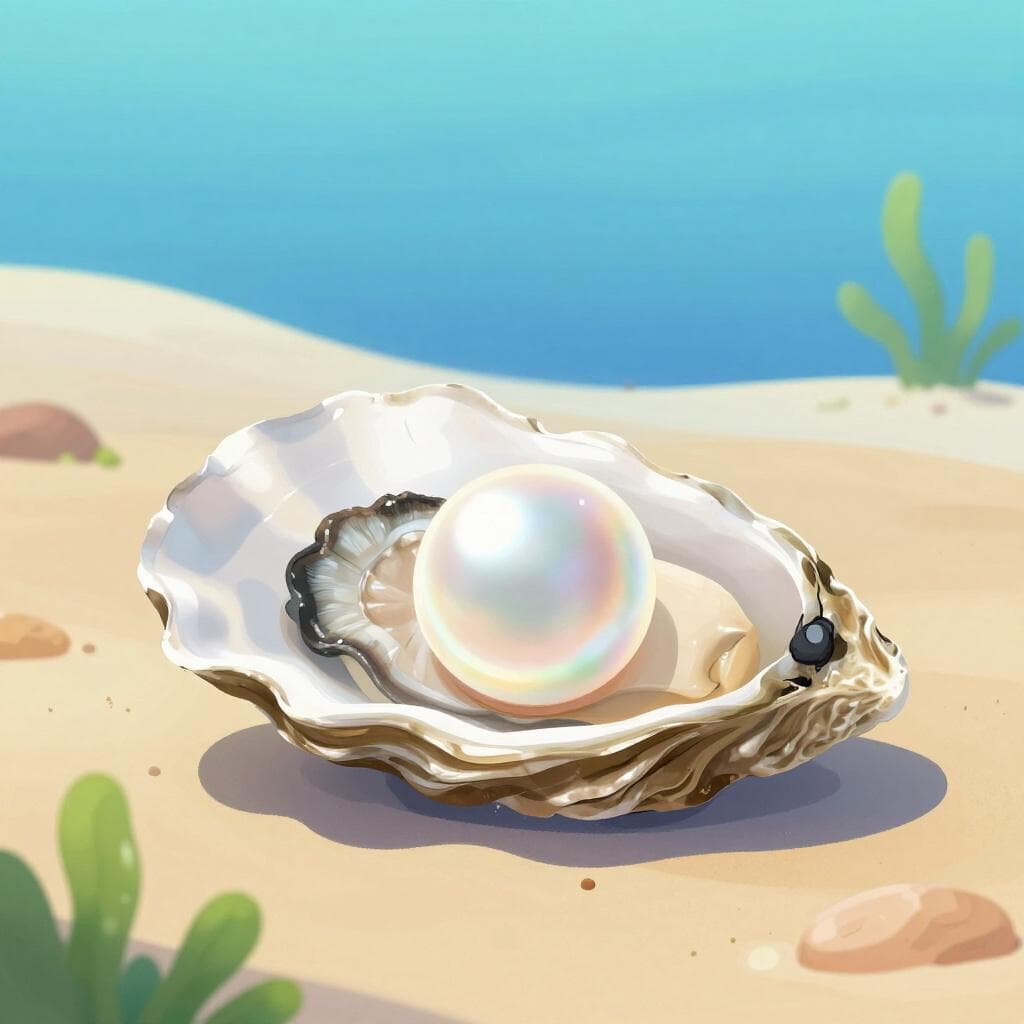
pearlAlso: bead
📝 In Action
Ella lleva un collar de perlas muy elegante.
A1She is wearing a very elegant pearl necklace.
Las perlas se forman dentro de las ostras en el mar.
A2Pearls form inside oysters in the sea.
Tenía perlas de sudor en la frente después de correr.
B1He had beads of sweat on his forehead after running.
Word Connections
gemAlso: howler / remark
📝 In Action
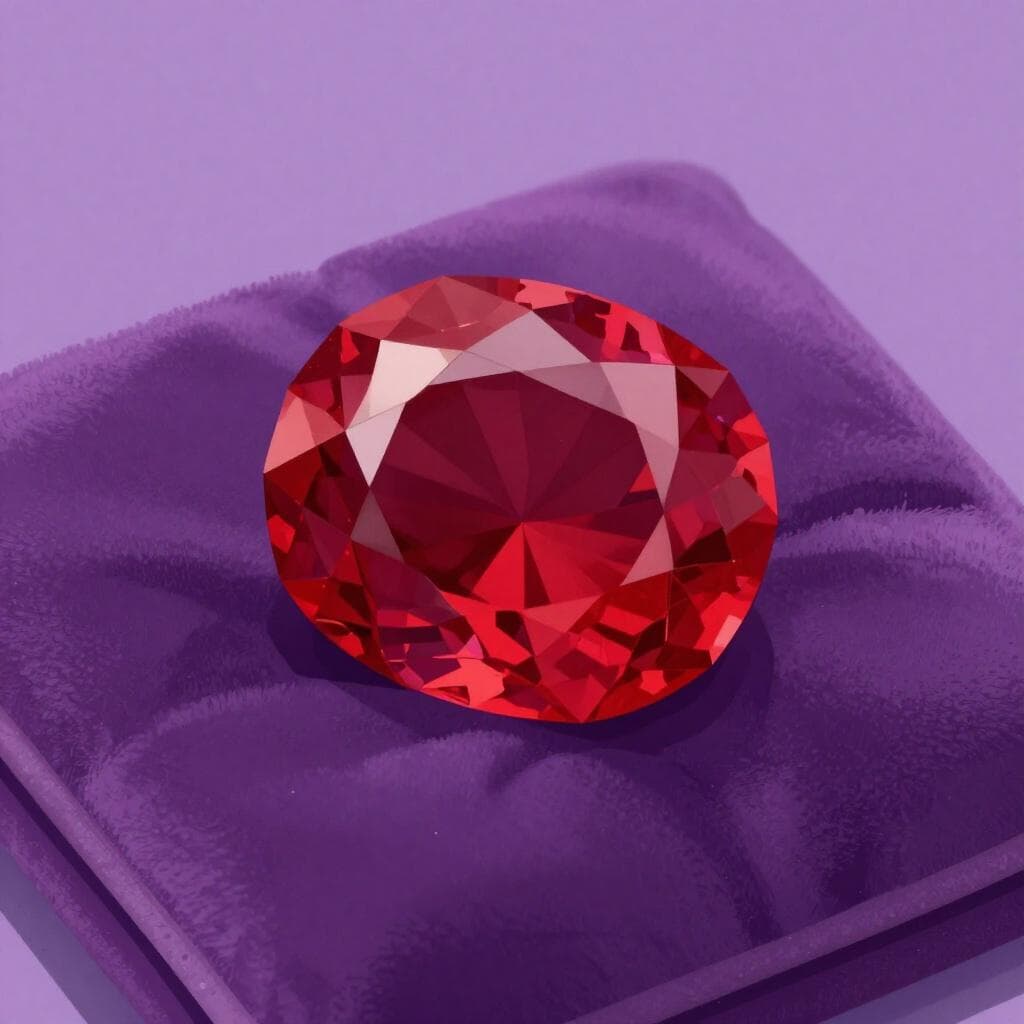
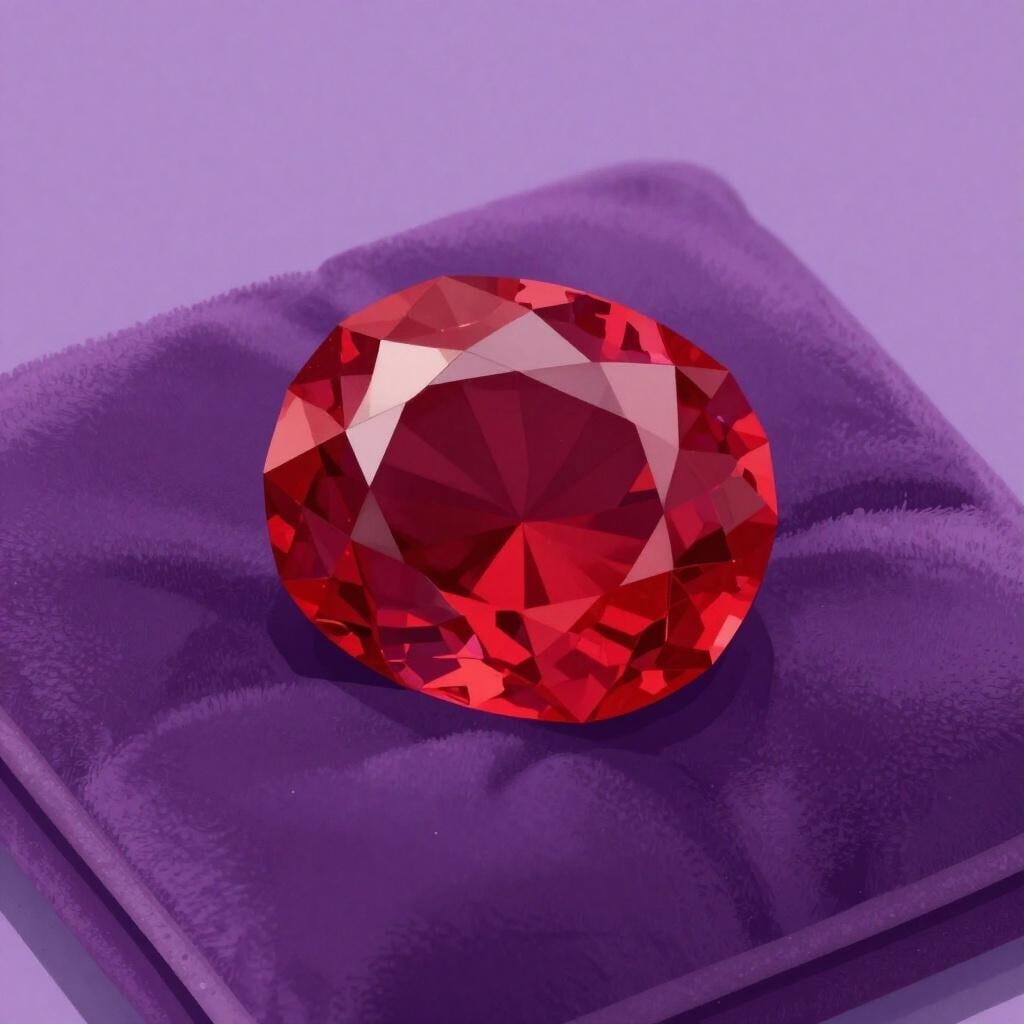
Mi nueva secretaria es una perla; lo organiza todo perfectamente.
B1My new secretary is a gem; she organizes everything perfectly.
¡Vaya perla soltó el político en la entrevista!
C1What a 'gem' (blunder/outrageous remark) the politician dropped in the interview!
Word Connections
✏️ Quick Practice
Quick Quiz: perla
Question 1 of 3
If you find a 'perla' in your soup, what are you likely finding?
📚 More Resources
👥 Word Family
🎵 Rhymes
📚 Etymology
From the Late Latin word 'perla', which might come from 'perula' (meaning a little pear, because of its shape).
First recorded: 13th century
Cognates (Related words)
💡 Master Spanish
Take your Spanish to the next level. Read 200+ illustrated and narrated Spanish stories tailored to your level with the Inklingo app!
Frequently Asked Questions
Is 'perla' always feminine?
Yes, 'perla' is a feminine noun. You should always use 'la' or 'una' with it, regardless of what you are referring to.
Can 'perla' be used for colors?
Yes! 'Blanco perla' (pearl white) or 'gris perla' (pearl gray) are common ways to describe specific shades of color.
Is 'perla' the same as 'cuenta'?
Not exactly. 'Perla' refers to the organic gem from an oyster. 'Cuenta' refers to beads used in crafts or necklaces made of wood, glass, or plastic.