How to Say "pearl" in Spanish
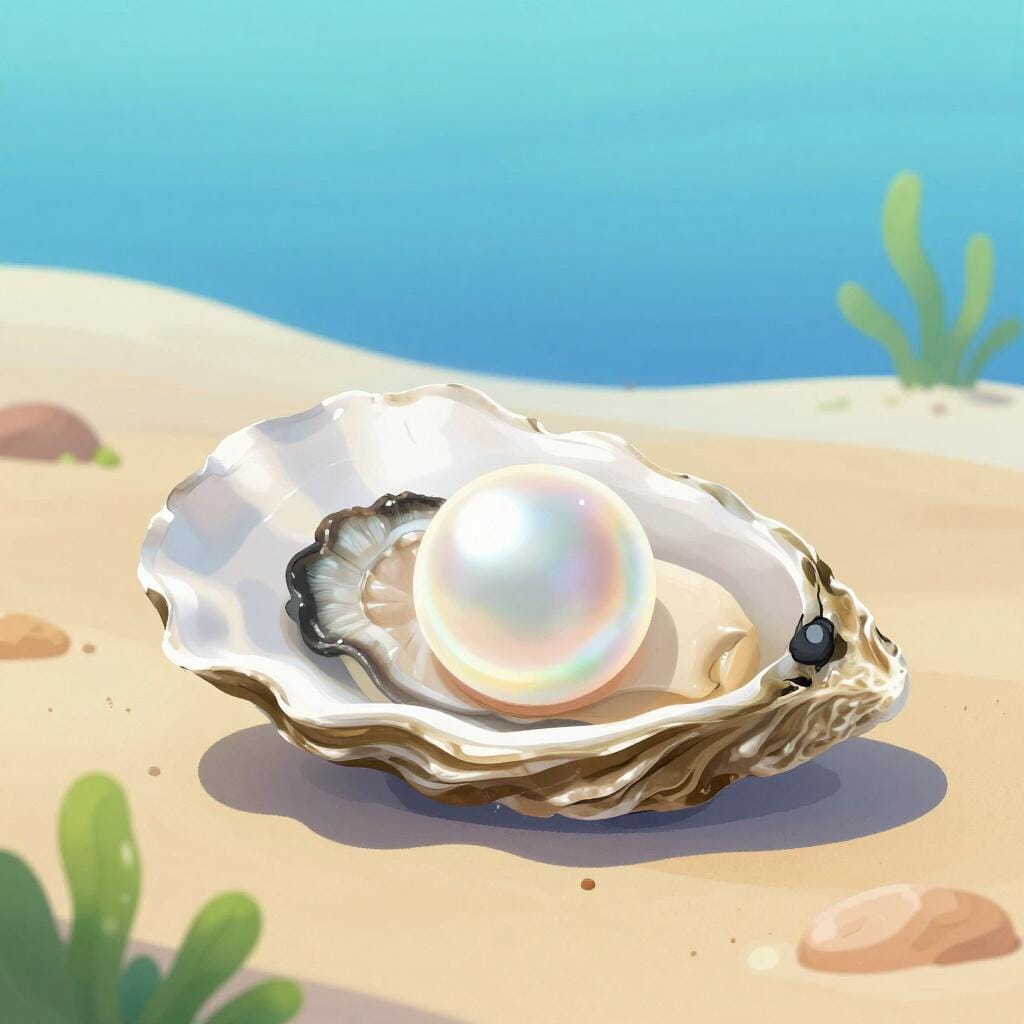
The most common Spanish word for “pearl” is “perla” — use 'perla' when referring to the lustrous, precious gem produced within the shell of an oyster or similar mollusk.
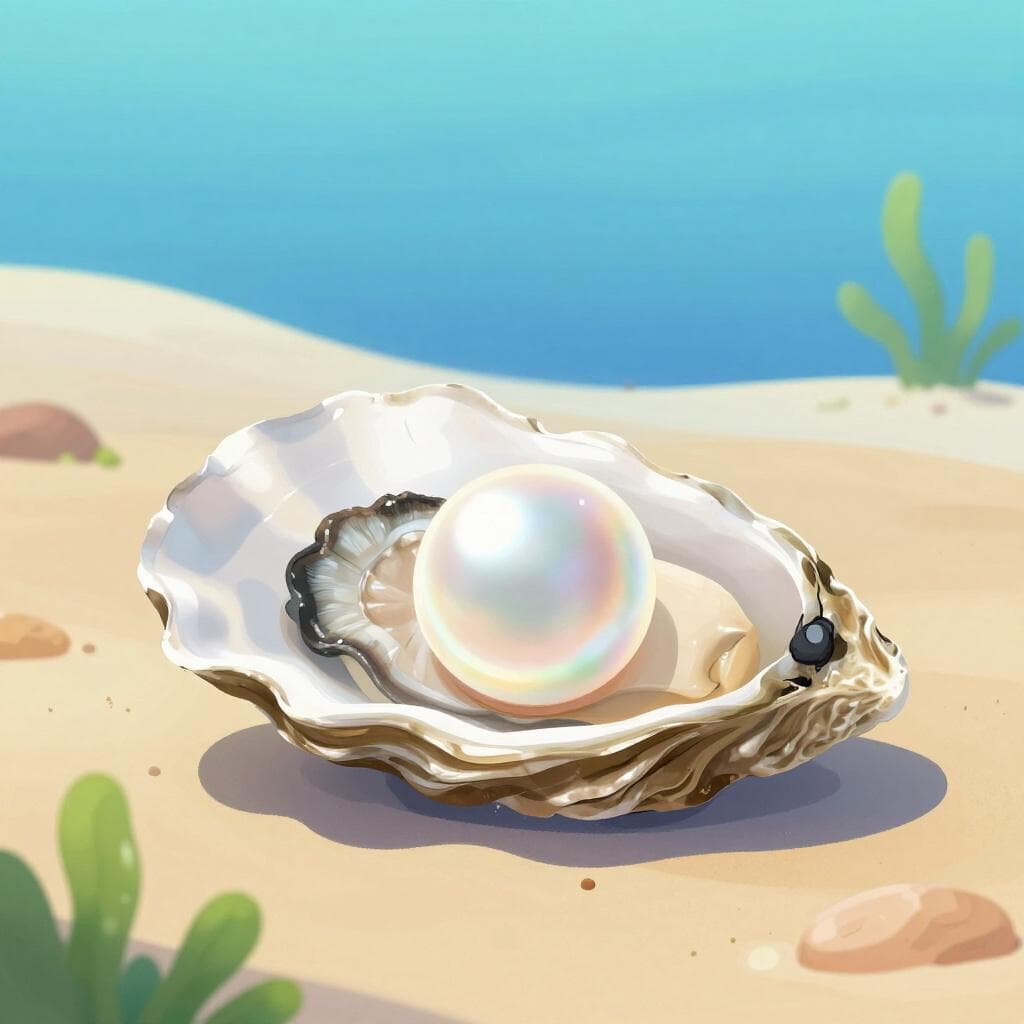

perla
PEHR-lahˈpeɾla
Examples
Ella lleva un collar de perlas muy elegante.
She is wearing a very elegant pearl necklace.
Las perlas se forman dentro de las ostras en el mar.
Pearls form inside oysters in the sea.
Tenía perlas de sudor en la frente después de correr.
He had beads of sweat on his forehead after running.
Countable Nouns
Just like in English, 'perla' is something you can count. You can have 'una perla' or 'muchas perlas'.
Gender Consistency
Because it ends in 'a', it is feminine. Use 'la' or 'una' and make sure any describing words also end in 'a', like 'perla blanca'.
Pearls vs. Beads
Mistake: “Using 'perla' for every single bead on a piece of plastic jewelry.”
Correction: Use 'perla' for real pearls or high-quality imitations. For cheap plastic beads, use 'cuenta' or 'abalorio'.
margarita
mar-gah-REE-tahmaɾɣaˈɾita

Examples
Ella deshojó la margarita mientras decía: 'Me quiere, no me quiere'.
She plucked the petals off the daisy while saying: 'He loves me, he loves me not'.
El campo está lleno de margaritas blancas en primavera.
The field is full of white daisies in spring.
Gender of the word
This word is always feminine, so you must use 'la' or 'una' with it (la margarita).
Confusing with the name
Mistake: “Using a lowercase 'm' for a person's name.”
Correction: Use 'Margarita' (capitalized) for the woman's name and 'margarita' (lowercase) for the flower or drink.
Confusing Gemstone vs. Flower
Related Translations
Learn Spanish with Inklingo
Interactive stories, personalized learning, and more.