pertenecía
“pertenecía” means “belonged” in Spanish (showing who owned something in the past).
belonged
Also: used to belong, was part of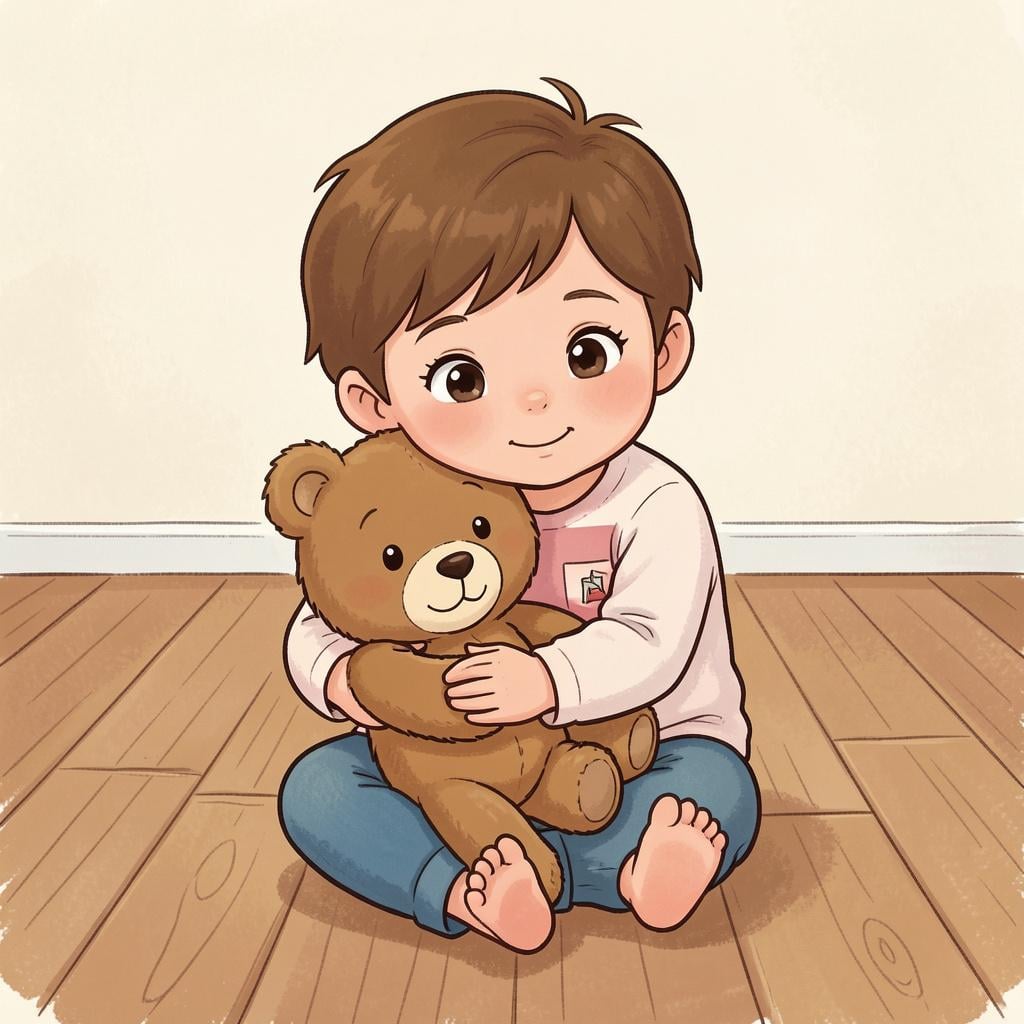
📝 In Action
Esa casa pertenecía a mi familia hace muchos años.
A2That house belonged to my family many years ago.
Yo pertenecía al equipo de fútbol de la escuela.
B1I belonged to the school soccer team.
El libro le pertenecía a ella, pero lo perdió.
B1The book belonged to her, but she lost it.
🔄 Conjugations
subjunctive
imperfect
present
indicative
preterite
imperfect
present
Translate to Spanish
Words that translate to "pertenecía" in Spanish:
belonged→✏️ Quick Practice
Quick Quiz: pertenecía
Question 1 of 1
Which sentence correctly says 'The dog belonged to the neighbor'?
📚 More Resources
👥 Word Family▼
📚 Etymology▼
From the Latin 'pertinere', which combines 'per' (throughout) and 'tenere' (to hold). It carries the idea of 'holding on' to something or 'reaching out' to its rightful place.
First recorded: 13th century
Cognates (Related words)
💡 Master Spanish
Take your Spanish to the next level. Read 200+ illustrated and narrated Spanish stories tailored to your level with the Inklingo app!
Frequently Asked Questions
Is 'pertenecía' for 'I' or 'he'?
It can be both! Depending on the sentence, it means 'I belonged' (yo pertenecía) or 'he/she/it/you formal belonged' (él/ella/usted pertenecía).