ponerla
“ponerla” means “to put it” in Spanish. It has 3 different meanings depending on context:
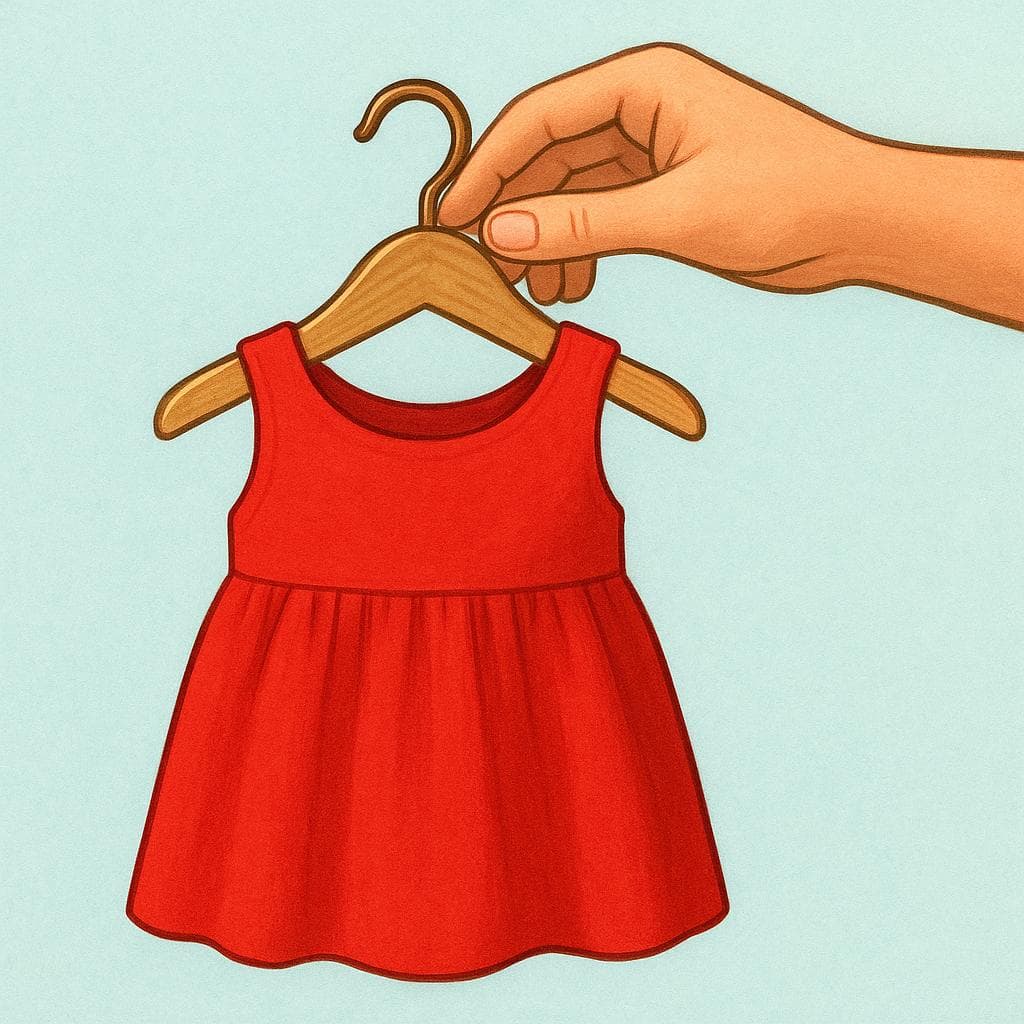

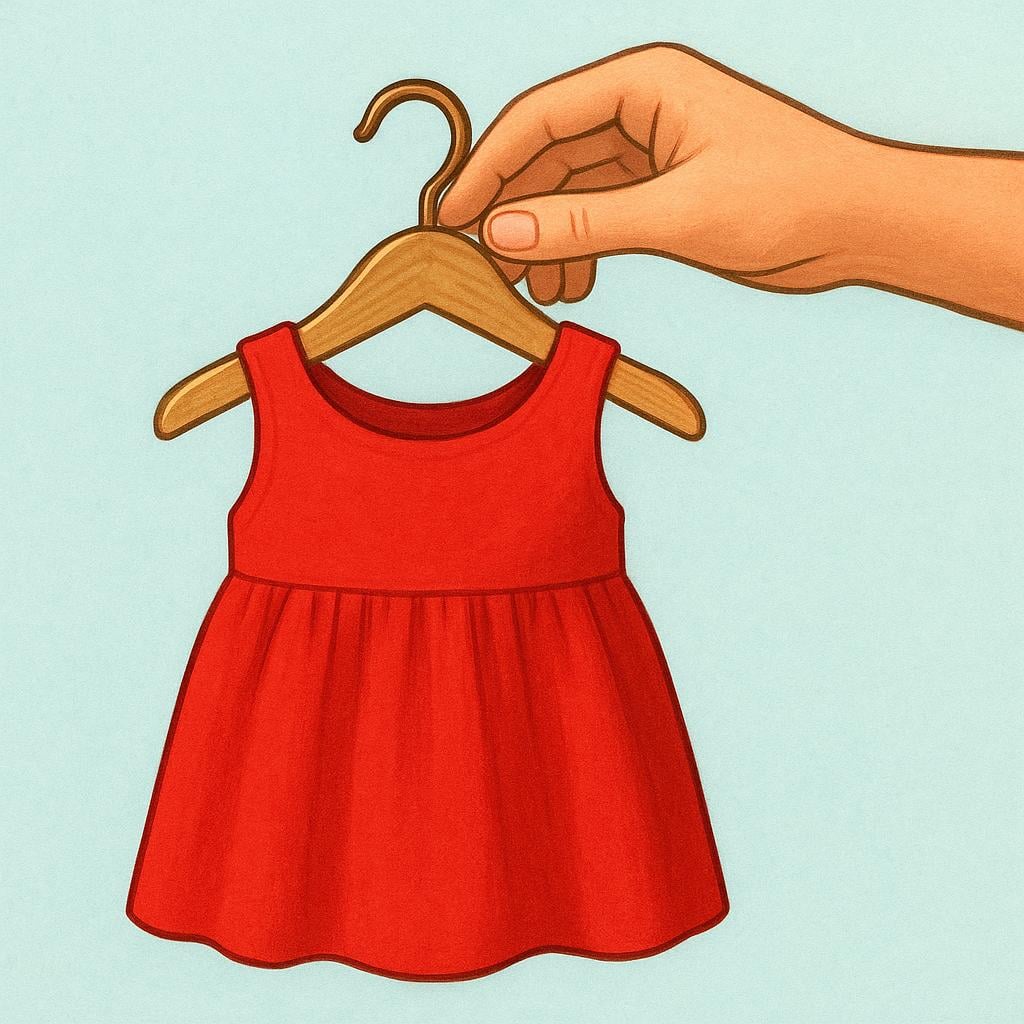
to put itAlso: to place it
📝 In Action
Necesito ponerla en la mesa antes de que lleguen los invitados.
A1I need to put it (e.g., 'la botella') on the table before the guests arrive.
Si no quieres que se moje, debes ponerla bajo techo.
A2If you don't want it (e.g., 'la bicicleta') to get wet, you must put it under cover.
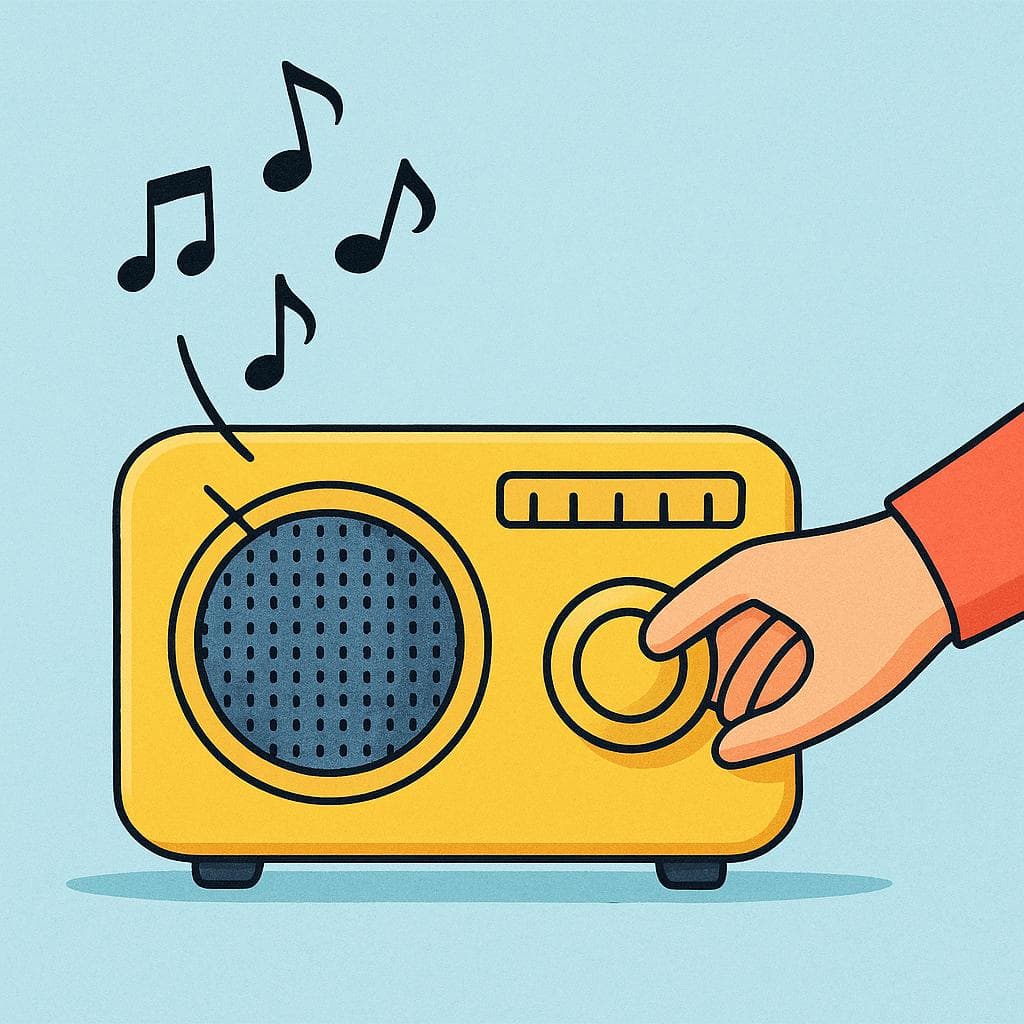
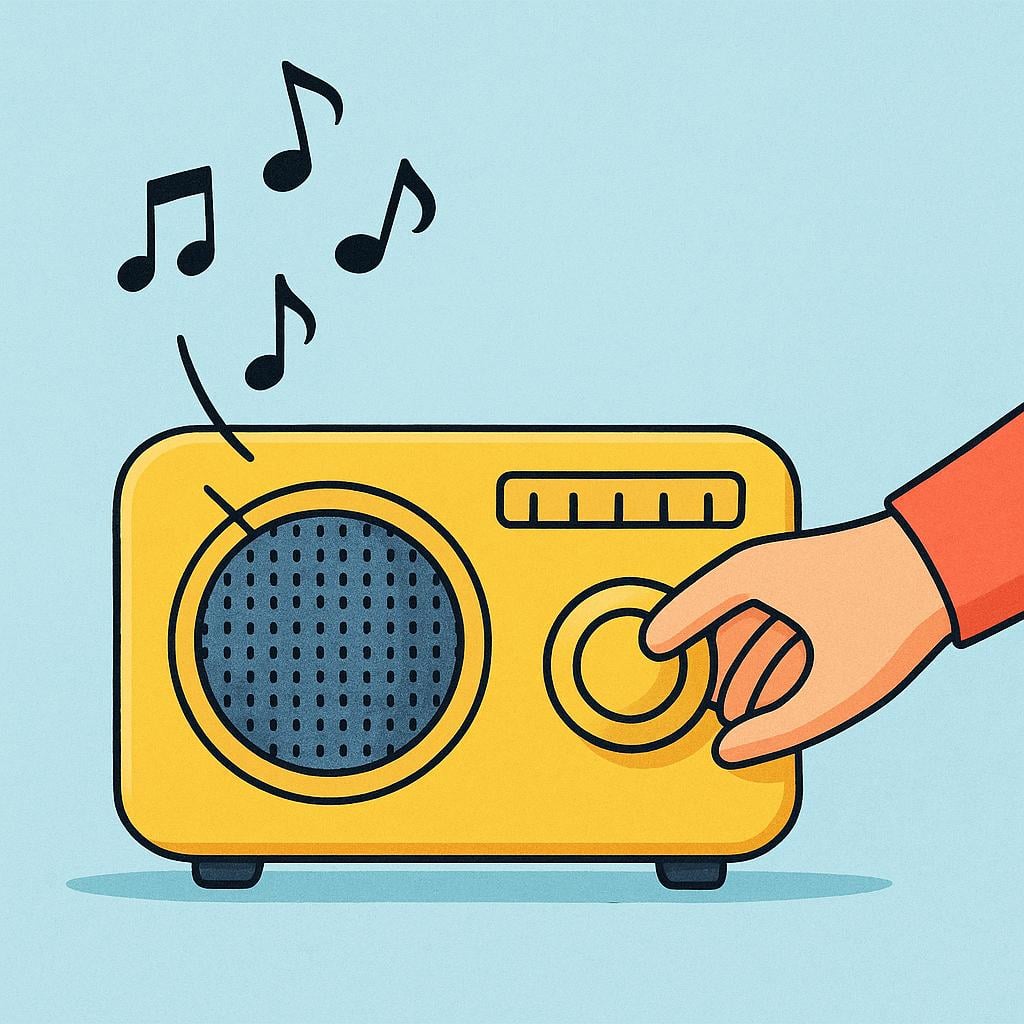
to turn it onAlso: to set it
📝 In Action
¡Qué aburrido! ¿Puedes ponerla, por favor?
A2How boring! Can you put it on (the music/la música), please?
No olvides ponerla a las 7 de la mañana.
B1Don't forget to set it (the alarm/la alarma) for 7 in the morning.
Word Connections
to hook upAlso: to get laid

📝 In Action
No fue a la discoteca solo a bailar, su meta era ponerla.
C1He didn't go to the club just to dance, his goal was to hook up (have sex).
✏️ Quick Practice
Quick Quiz: ponerla
Question 1 of 1
Which meaning of 'ponerla' is used in the sentence: 'Debes ponerla en tu mochila si no quieres perder la billetera.'
📚 More Resources
👥 Word Family
📚 Etymology
The word is a combination of the verb 'poner' (from Latin *ponere*, meaning 'to place') and the direct object pronoun 'la' (from Latin *illam*, meaning 'that one,' referring to a feminine object).
First recorded: The base verb 'poner' has been in use since the early stages of Spanish, with the infinitive + pronoun structure being a fundamental part of Spanish grammar.
Cognates (Related words)
💡 Master Spanish
Take your Spanish to the next level. Read 200+ illustrated and narrated Spanish stories tailored to your level with the Inklingo app!
Frequently Asked Questions
Why is 'la' attached to the end of the verb?
Spanish has a rule that requires object pronouns (like 'la', 'lo', 'me') to be attached directly to the end of the infinitive form (the base verb). This creates a single word, like 'ponerla' or 'hacerlo'.
Can I separate 'poner' and 'la'?
Yes, often you can! When 'poner' is part of a two-verb phrase (like 'quiero ponerla'), you can choose to attach it ('quiero ponerla') or place it before the conjugated verb ('la quiero poner'). Both are correct ways to say 'I want to put it'.