pongas
“pongas” means “that you put/place” in Spanish (present subjunctive, informal 'you').
that you put/place, don't put/place
Also: that you set, that you turn on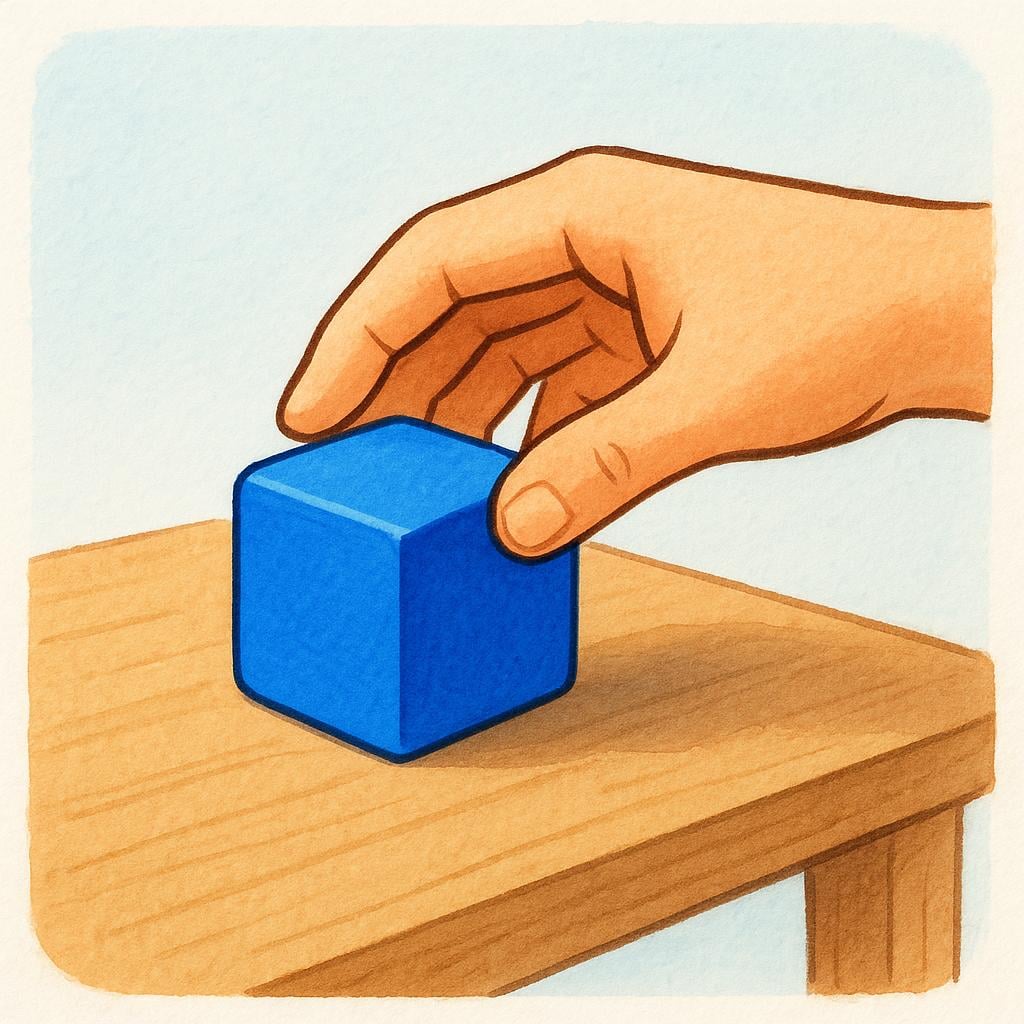
📝 In Action
Quiero que pongas la mesa antes de que lleguen.
B1I want you to set the table before they arrive.
No creo que te pongas ese vestido para la fiesta.
B2I don't think you'll put that dress on for the party. (Used here as part of the reflexive 'ponerse')
¡No pongas excusas! Necesitas terminar el trabajo.
A2Don't make (put) excuses! You need to finish the work.
Es importante que pongas atención a los detalles.
B1It is important that you pay attention to the details.
🔄 Conjugations
indicative
present
imperfect
preterite
subjunctive
present
imperfect
✏️ Quick Practice
Quick Quiz: pongas
Question 1 of 2
Which sentence correctly uses 'pongas'?
📚 More Resources
👥 Word Family▼
🎵 Rhymes▼
📚 Etymology▼
The verb 'poner' comes from the Latin *pōnere* (to put, lay, place). The irregularity (changing the stem to 'pong-' in the present tense and subjunctive) is typical of many ancient, high-frequency verbs in Spanish.
First recorded: Old Spanish (c. 10th century)
Cognates (Related words)
💡 Master Spanish
Take your Spanish to the next level. Read 200+ illustrated and narrated Spanish stories tailored to your level with the Inklingo app!
Frequently Asked Questions
Why is 'pongas' so different from the infinitive 'poner'?
'Poner' is an irregular verb. In the present tense and the present subjunctive, it adds a 'g' (pongo, ponga, pongas). This 'g' helps distinguish it and is a historical feature of the verb's evolution from Latin.
When do I use 'pongas' instead of 'pones'?
Use 'pongas' when expressing a wish, doubt, emotion, or command (Subjunctive Mood). Use 'pones' when stating a definite fact or asking a simple question (Indicative Mood). Example: 'Sé que pones la mesa' (I know you set the table - FACT) vs. 'Quiero que pongas la mesa' (I want you to set the table - WISH).