primitivo
“primitivo” means “primitive” in Spanish. It has 2 different meanings depending on context:
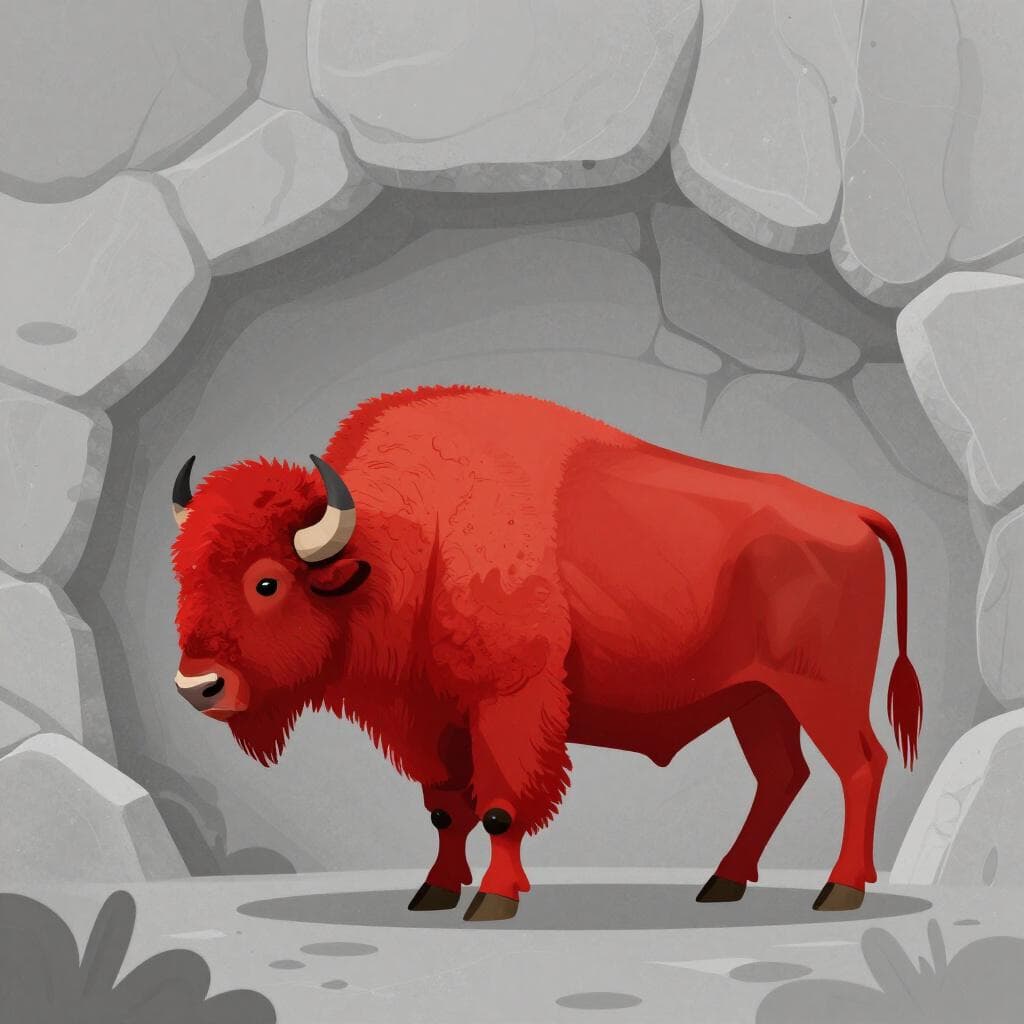

primitive
Also: rudimentary, original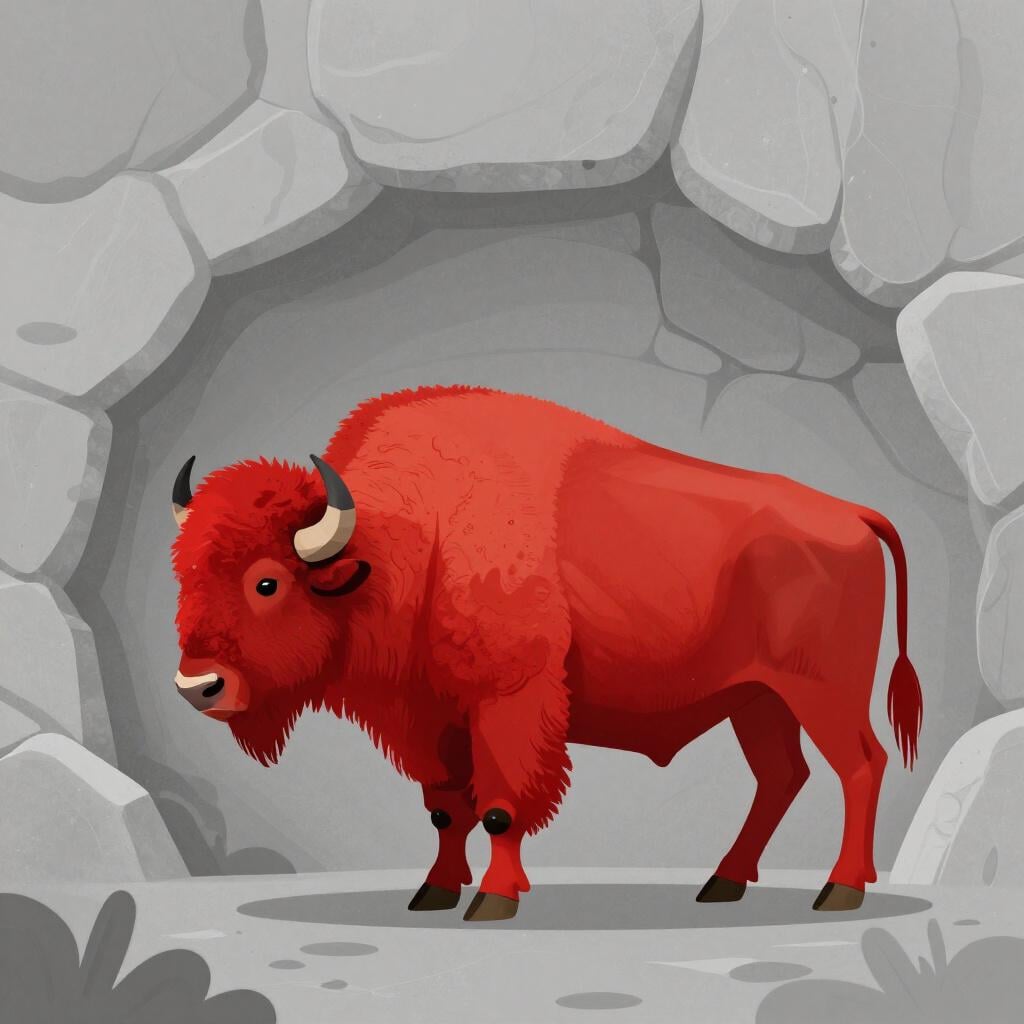
📝 In Action
Las herramientas primitivas eran de piedra.
A2Primitive tools were made of stone.
Vivían en una cabaña muy primitiva sin agua corriente.
B1They lived in a very primitive cabin without running water.
El estado primitivo de la selva ha sido preservado.
B2The original state of the jungle has been preserved.
early master
Also: primitive
📝 In Action
Los primitivos flamencos utilizaban técnicas de óleo muy avanzadas.
C1The early Flemish masters used very advanced oil techniques.
La sala del museo está dedicada a los primitivos italianos.
C1The museum room is dedicated to the early Italian masters.
Se nota la influencia de los primitivos en su obra actual.
C2You can see the influence of the early masters in his current work.
Translate to Spanish
✏️ Quick Practice
Quick Quiz: primitivo
Question 1 of 3
Which sentence describes something in its earliest, original form?
📚 More Resources
👥 Word Family▼
📚 Etymology▼
From the Latin 'primitivus', which comes from 'primus' (meaning 'first'). It describes something that is the very first of its kind or in its earliest form.
First recorded: 13th century
Cognates (Related words)
💡 Master Spanish
Take your Spanish to the next level. Read 200+ illustrated and narrated Spanish stories tailored to your level with the Inklingo app!
Frequently Asked Questions
Is 'primitivo' an insult?
It depends on the context. In history or science, it's a neutral description of early stages. However, calling a person or their behavior 'primitivo' can imply they are uncultured or lacking manners.
Does it mean the same thing as 'primero'?
No. 'Primero' means 'first' in a sequence (the first runner). 'Primitivo' describes the nature or stage of something (a basic, early version).
How do I use it with feminine words?
Just change the ending to -a. For example, 'una tribu primitiva' (a primitive tribe).